How to Buy Scrap Car Parts Online?

Buying scrap car parts online can save money, but a low price alone tells you little. Fit, condition, and traceability matter. The U.S. Environmental Protection Agency reports that roughly 95% of vehicles retired from use are processed for recycling, making automotive recycling a substantial source of reusable materials. That figure does not guarantee that every listed component is suitable for your vehicle. Check the exact part number, model year, engine, and trim before paying.

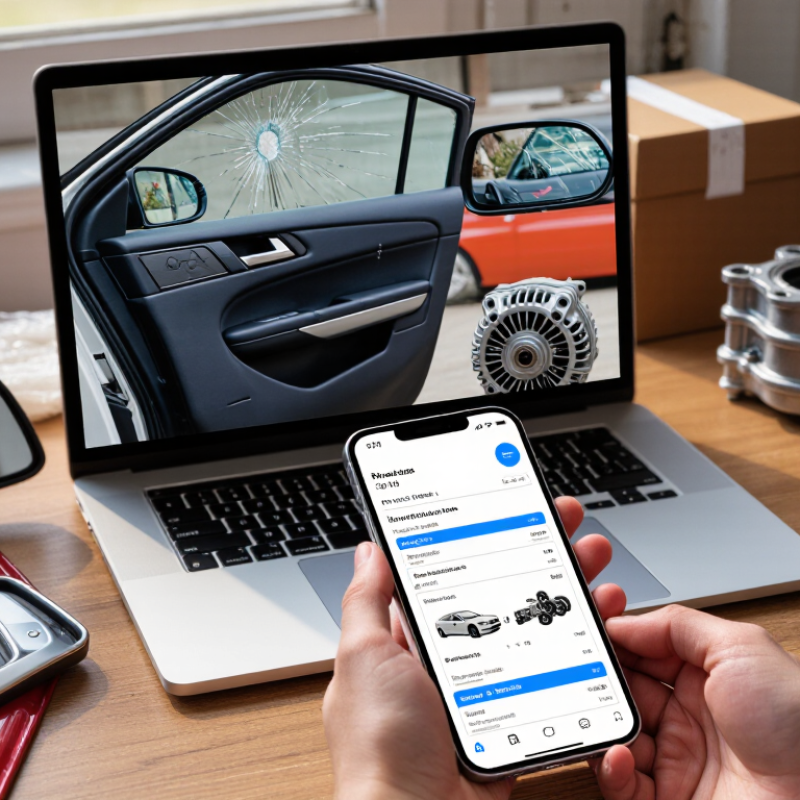
Look closely at the listing. A clear photo of a scratched door, cracked mirror housing, or labeled alternator can reveal more than a polished description. Ask whether the part was tested, how its condition is graded, and what the seller’s return policy covers. Keep written answers and order details. Small steps help when a component arrives damaged or does not match.

As automotive-recycling guidance often emphasizes, “A part is only a good value when its fit and condition are verified.” Treat that as a practical rule, not a substitute for a named expert’s independently sourced quotation. This guide explains how to compare sellers, verify compatibility, review shipping costs, and assess warranties when buying scrap car parts online. Some listings will still leave questions. Pause before checkout, especially when photos or fitment details are missing.
How to Buy Scrap Car Parts Online?

Identify the Part and Confirm Your Vehicle Details

Before searching for scrap car parts online, identify the exact part you need. A headlamp may look correct in a photo but have different mounting points or wiring. Check the part number on the old component, if it is readable. Take clear photos from several angles, including connectors, labels, and damaged areas. Small details matter.

Confirm your vehicle’s year, make, model, engine size, and trim. Also note the transmission type when shopping for parts that depend on it. Two cars from the same year can use different components. Your vehicle identification number can help a seller check fitment, but don’t rely on a broad search result alone. Ask for written confirmation that the part matches your specific vehicle. It’s worth the extra message.

Compare the listing photos with your own part. Look for cracked tabs, bent brackets, corrosion, or missing plugs. Ask whether the component was tested and what condition it came from. A little surface dirt is expected. Hidden damage is harder to judge, and I have sometimes missed it in rushed photos. Check the return terms before paying, especially if the part is electrical or difficult to install. Keep the listing and seller’s fitment confirmation until the part arrives.

Choose a Reputable Online Scrap Parts Seller

How to Buy Scrap Car Parts Online?

Choose a Reputable Online Scrap Parts Seller

A reliable seller makes it easier to match a used part to your vehicle. Check that the listing shows the part’s condition, donor vehicle details, and a clear stock or part number. Ask for close-up photos of connectors, mounting points, and wear. A professional dismantler should be able to explain how the part was inspected and what the return terms cover. Vague listings are a warning sign. The Automotive Recyclers Association reports that roughly 12–15 million vehicles are recycled in the United States each year, supporting a substantial market for reclaimed components. That scale does not make every online listing trustworthy, though.

Tips: Verify the year, make, model, engine, and trim before paying; small differences can change fitment. Request written confirmation of compatibility, shipping costs, and the return window. Keep records. Use a payment method that provides a transaction record, and avoid sellers who pressure you to pay outside the checkout process. Read recent reviews for specific patterns, such as delayed refunds or parts arriving with damage. One glowing review tells you little.

A reputable seller will answer practical questions without promising that every used part is perfect. Ask whether the part was tested, and what “tested” means for that component. For electronics, request details of the test; for body panels, ask about dents, rust, and paint condition. Compare the listing with your old part before installation. Some details may still be unclear online, so pause if the seller cannot resolve a mismatch.

Check Part Compatibility, Condition, and Documentation

When buying scrap car parts online, start with compatibility, not price. Match the part number when available, and compare the vehicle’s year, model, engine, trim, and production date. A registration year alone may not identify the correct component. For electronic parts, check connector shape and pin count; a plug that looks close can still fail to fit. If details are missing, ask the seller to confirm fitment in writing.

Then study the condition carefully. Read descriptions for cracks, corrosion, missing clips, or signs of repair. Enlarge photos and look for clear views of mounting points and labels. Ask whether the part was tested, and what that test covered. “Used” can mean many things. It is easy to assume a clean photo means a dependable part, but that is not proof. I have learned to slow down here.

Check the documentation before paying. Request an itemized receipt, the part’s identification details, and any available test notes or vehicle information from its source. Confirm the return window, who pays return shipping, and what happens if the item arrives damaged or does not match the listing. Keep the listing and seller messages until the part is installed. Small details matter. A saved photo or written confirmation can resolve confusion later.

Compare Prices, Shipping Costs, and Return Policies

How to Buy Scrap Car Parts Online?

Price comparison should include more than the part’s listed cost. I record the stock number, mileage, condition, and seller’s testing notes before comparing offers. A cheaper alternator may carry a higher shipping charge because of its weight. Ask for the packed dimensions, delivery method, tracking details, and estimated arrival date.

The 2023 Consumer Returns in the Retail Industry report from NRF and Appriss Retail estimated $743 billion in returned merchandise. That figure shows why return terms deserve careful attention.

Confirm whether the seller accepts returns for incorrect fitment, hidden damage, or buyer error. These are different situations.

Read the return window closely. Some policies begin on delivery, while others begin on the purchase date. Check restocking fees, return shipping responsibility, refund timing, and required packaging. Photograph the box and part when it arrives. Keep the label. I once treated a low headline price as the best deal, but shipping and a non-refundable fee changed the result. That mistake was avoidable.

Online marketplaces often display several identical-looking parts, yet connector shapes and casting numbers can differ. Verify compatibility through the vehicle identification number and compare clear photographs. Baymard Institute’s ecommerce research reports an average cart-abandonment rate near 70%, with extra costs often influencing decisions. Transparent freight pricing can prevent that unpleasant surprise, although I still recheck the final checkout total before paying.

Place Your Order and Inspect the Part on Arrival

How to Buy Scrap Car Parts Online?

Place Your Order and Inspect the Part on Arrival

Online scrap-part buying starts with precise information. Record the vehicle identification number, engine size, production year, and exact part number. S&P Global Mobility reported that the average U.S. vehicle age reached 12.6 years in 2024. Older vehicles often need discontinued or revised components. Therefore, matching by model name alone is risky. Ask for clear photos of mounting points, connectors, labels, and damage. Confirm mileage when the part contains electronic memory or moving mechanisms. Keep every message, photo, and fitment promise. These records improve accountability if the item differs from its description.

Inspect the package before signing for delivery. Photograph crushed corners, torn wrapping, fluid stains, and missing hardware. Open it carefully, then compare the casting, connector, color, and bolt pattern with your original part. Do not install a cracked housing or a contaminated component. A clean photo is not proof. It may hide corrosion.

Check the return period before ordering. Some sellers allow only a few days after delivery, and testing may require professional equipment. Ask whether the part was tested, drained, cleaned, and tagged correctly. The U.S. Environmental Protection Agency reports that vehicle recycling saves more than 85 million barrels of oil annually. Reused parts can support resource efficiency, but poor inspection creates waste and extra shipping. No checklist is perfect. Pause when the listing feels vague, even if the price looks attractive.

How to Buy Scrap Car Parts Online: Arrival Inspection Time Guide

After placing an online order, inspect the delivered part in a practical sequence. The chart shows an estimated time allocation for each checkpoint, helping buyers identify damage, confirm compatibility, and document issues before installation.

These are practical planning estimates in minutes, not survey results. Always compare the part with the listing, part number, vehicle information, and delivery documentation before accepting or installing it.

Start typing and press Enter to search