China Best Car Recycling Parts Suppliers for Global Buyers
China has become a significant sourcing destination for reliable car recycling parts. Its suppliers combine dismantling experience, broad vehicle coverage, and competitive manufacturing support. Global buyers can find engines, transmissions, body panels, lighting assemblies, electronic modules, and suspension components.
Quality still varies.
A capable supplier should provide clear part numbers, vehicle compatibility details, inspection records, and real product photographs. Experienced exporters also explain mileage, testing methods, storage conditions, and warranty coverage. These details matter when a replacement transmission arrives with surface corrosion or an electronic module lacks programming information. According to Michael E. Wilson, a recognized automotive recycling industry leader, “Automotive recyclers are the original recyclers.” His statement reflects the sector’s practical value. Reusing serviceable components reduces material waste and supports more affordable vehicle repairs.
This guide examines China’s best car recycling parts suppliers for global buyers. It considers inventory depth, quality control, export experience, documentation, packaging, and after-sales communication. Reliable companies usually match parts against VINs, maintain traceable warehouse records, and disclose testing limitations. They should also respect applicable environmental, customs, safety, and trade requirements in destination markets.
Not every low-priced offer is a smart purchase.
Some listings look impressive but provide weak evidence. Buyers should request sample orders, independent inspection, serial-number photographs, and written warranty terms. A small mistake can create installation delays, return costs, or customer dissatisfaction. Even experienced purchasers can overlook compatibility changes between model years. Careful verification remains essential. This article offers practical guidance, while recognizing that supplier performance should be reviewed continuously.
Understanding China’s Car Recycling Parts Supply Industry
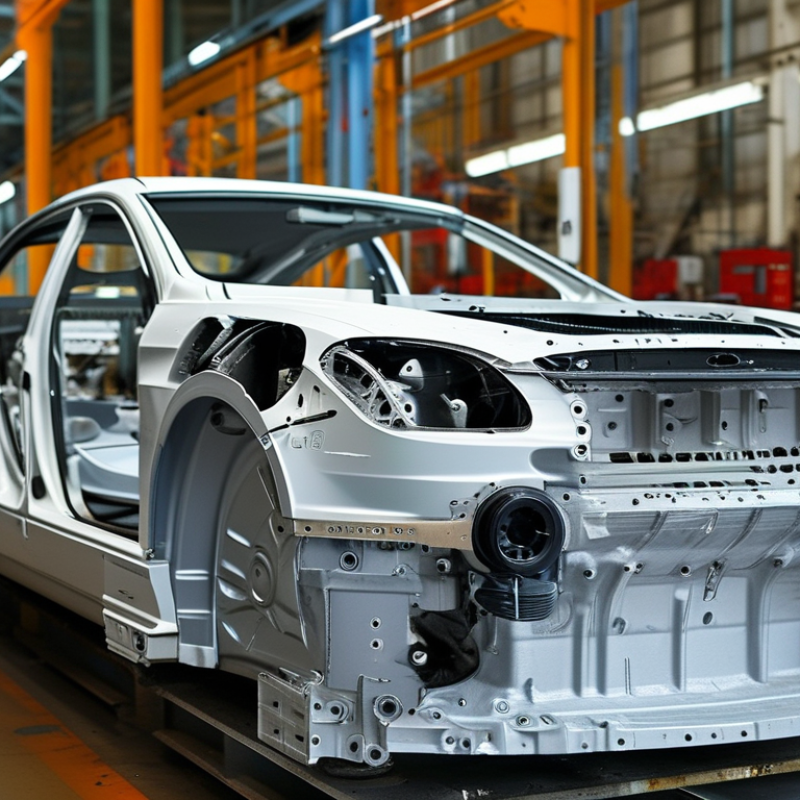
China’s car recycling parts supply industry is built around dismantling centers, inspection teams, warehouses, and export agents. Experienced suppliers usually separate vehicles by model, production year, and component condition. They remove fluids and hazardous materials through controlled procedures before parts enter storage. This step protects workers, buyers, and the environment.
Reliable suppliers record each component with photographs, identification numbers, test results, and removal dates. A tested alternator should show output readings, not only the word “working.” Engines may need compression checks, leak inspections, and cold-start evidence. Buyers should request grading rules before placing orders. Terms such as “used,” “refurbished,” and “reconditioned” can mean different things across factories. Clear definitions prevent costly misunderstandings.
China’s major supply advantage is variety. Large dismantling networks can provide doors, transmissions, electronic modules, suspension parts, and interior assemblies in steady volumes. However, consistency requires active communication. Ask about packing methods, moisture protection, labeling, and replacement policies. Small details matter, especially when parts travel long distances in containers. No supplier is perfect. Even careful inspection can miss an intermittent electrical fault. I have found that sample orders reveal more than polished catalogs. They show response speed, documentation quality, and whether the delivered part matches its description.
China Best Car Recycling Parts Suppliers for Global Buyers
Understanding China’s Car Recycling Parts Supply Industry
China’s expanding vehicle export volume increases the global circulation of vehicles, replacement components, and future end-of-life vehicle materials. This creates a broader market foundation for recycled engines, transmissions, body panels, suspension components, and electrical parts supplied to international buyers. The figures show total vehicle exports and are not a measurement of recycled-parts sales.
Source: China Association of Automobile Manufacturers (CAAM), annual vehicle export statistics. Values are shown in millions of vehicles.
Finding Reliable Chinese Suppliers for Global Buyers
China Best Car Recycling Parts Suppliers for Global Buyers
Finding Reliable Chinese Suppliers for Global Buyers
Reliable sourcing starts with verification, not attractive prices. I check a supplier’s company registration, production history, export experience, and quality procedures. Clear records build confidence. Vague answers create risk.
For recycled automotive parts, ask for detailed photos, measurements, material information, and testing reports. A professional supplier should explain inspection steps before shipment. They should also confirm compatibility, packaging methods, and storage conditions. Small details matter. Do not accept “good quality” as a complete specification.
I usually recommend a sample order before signing a larger agreement. This reveals actual surface condition, labeling accuracy, delivery speed, and communication habits. Keep written records of agreed standards. A pre-shipment inspection can also reduce misunderstandings. However, no inspection removes every risk. Some defects appear only after installation. That limitation deserves honest discussion.
Reliable suppliers communicate clearly when stock changes or specifications cannot be met. They should provide consistent product codes and traceable shipping documents. Payment terms must be reviewed carefully and matched with the contract. A supplier who avoids questions may not be ready for international cooperation. I have learned that low prices can hide sorting costs, missing information, or weak after-sales support. Test small. Grow carefully.
Managing Orders, Pricing, Compliance, and International Shipping
China Best Car Recycling Parts Suppliers for Global Buyers
Managing international orders requires more than finding a low quotation. Request clear part numbers, production years, condition grades, and detailed photos before payment. A reliable supplier should explain testing methods, storage conditions, and available inspection records. I have found that written specifications prevent costly misunderstandings, especially when a used gearbox appears clean but has unknown mileage. Ask for a sample order first. Small trials reveal packing quality, response speed, and actual condition.
Pricing should include the part, domestic transport, export packing, inspection, and international freight. Compare quotations on the same Incoterm, currency, and shipment weight. Request a commercial invoice, packing list, origin information, and correct customs classification. Compliance rules differ by destination, so buyers should verify import restrictions with local authorities. Suppliers must not describe parts inaccurately to reduce duties. That creates delays and serious risks.
Tips: Keep one order sheet for every shipment. Record photos, serial numbers, agreed prices, and inspection results. Use moisture protection, shock-resistant cartons, and wooden packaging that meets destination requirements. Confirm whether batteries, fluids, airbags, or other restricted components are excluded. Freight can change quickly. Leave room for unexpected port charges.
A mistake can happen. Review everything twice. Unexpected delays may still occur, so avoid promising customers delivery dates before customs clearance. Reliable communication matters as much as price.
Building Long-Term Partnerships with Car Recycling Parts Suppliers
Long-term partnerships with Chinese car recycling parts suppliers require more than competitive pricing. They depend on traceability, technical consistency, and honest communication.
The 2024 Circularity Gap Report estimates that only
7.2%
of the global economy is circular. This gap creates strong opportunities for verified vehicle parts recovery.
Experienced buyers should inspect supplier processes, not only product photos. Ask for vehicle identification records, dismantling photographs, test results, and clear grading rules.
The U.S. Automotive Recyclers Association reports that automotive recyclers process more than
12 million vehicles annually in the United States.
That scale shows why organized inventory systems matter. A reliable supplier should identify
part numbers, storage conditions, mileage records, and possible wear.
Small details protect large orders.
The European Commission’s End-of-Life Vehicles Directive sets reuse and recovery targets of
95% by weight,
including an
85% reuse and recycling target.
Suppliers serving global buyers should understand these expectations and maintain documented handling procedures. Monthly quality reviews, sample inspections, and agreed replacement terms can reduce disputes.
However, no partnership is perfect. We have seen clean packaging hide inconsistent labeling. One overlooked connector can delay installation for days.
Buyers should leave room for audits, corrective actions, and continuous improvement.
Trust grows through evidence, not promises.