How to Buy Scrap Auto Parts in 2026

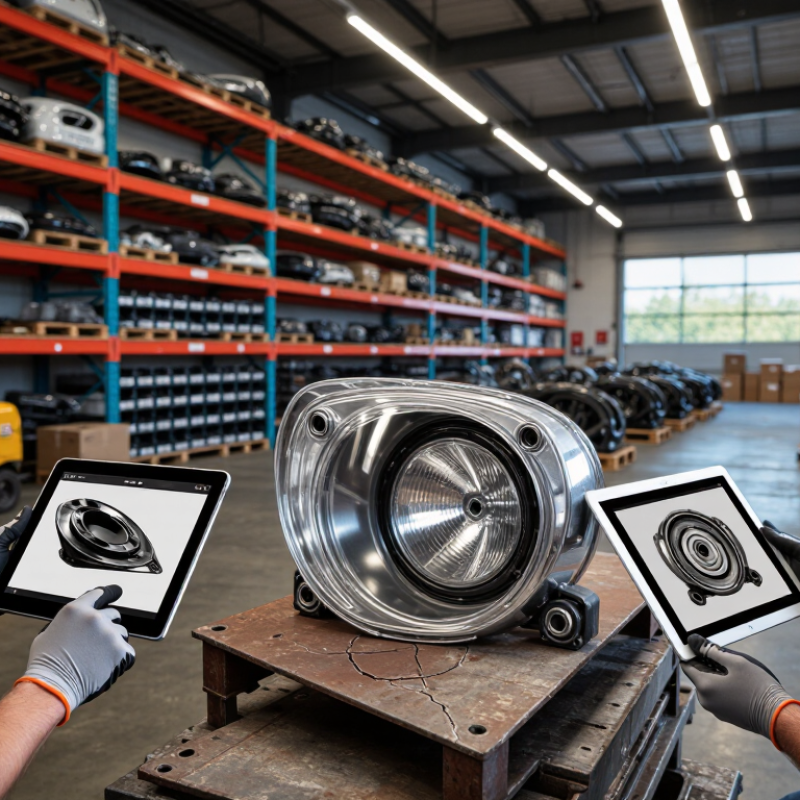
Buying scrap auto parts in 2026 takes more than matching a part number. You need to check fit, condition, and the seller’s return terms before paying. A clean headlight on a dusty shelf may look ready to install, yet its mounting tabs could be cracked. Small details matter.

Automotive recycling industry leader Michael E. Wilson has advocated professional, responsible vehicle recycling. A practical takeaway from that approach—not a verified direct quotation—is: “Confirm the part’s identity and condition before you judge its price.” Use that rule when comparing local salvage yards, online inventories, and recycled-parts marketplaces. Ask for the donor vehicle’s year, make, model, and trim. Confirm the part number where possible. Request clear photos of connectors, labels, and wear. For electronics or safety-related components, ask what testing was completed and what coverage applies.

A low price can still cost more if the part arrives damaged or does not fit. Keep the listing, seller messages, and receipt. Check shipping costs, delivery estimates, and return deadlines in writing. Details protect your budget.

This guide explains how to search for scrap auto parts, assess sellers, compare condition grades, and arrange delivery. It also points out where buyers can misjudge a bargain. Records may be incomplete, and photos can hide wear. Pause and verify. A little patience can prevent a frustrating repair and an avoidable return.
How to Buy Scrap Auto Parts in 2026

Identify the Part by VIN, OEM Number, and Vehicle Fitment

When buying scrap auto parts in 2026, start with the vehicle identification number (VIN). It can help identify the model year, engine, and factory configuration. Still, a VIN lookup is a starting point, not a fitment guarantee. Midyear changes and optional equipment can affect compatibility. Check the exact part location, such as front-left rather than simply “left.” Small details matter.

Compare the original equipment number on your old part with the number listed by the seller. Numbers may be superseded, so ask for confirmation when they differ. Then verify fitment against the donor vehicle’s year, body style, engine, and trim. Request clear photos of labels, connectors, mounting tabs, and wear. A cracked tab can turn a cheap part into a frustrating return. I still find it easy to overlook connector shape when comparing photos. Ask whether the part was tested, what testing covered, and what the return window allows. For steering, braking, or other safety-critical components, have a qualified technician inspect the part before installation.

How to Buy Scrap Auto Parts in 2026: Identify the Part by VIN, OEM Number, and Fitment

A standardized 17-character VIN is divided into three sections. Use the VIN to help identify the vehicle, then verify the exact OEM part number and check donor-vehicle fitment before buying.

VIN sections shown: World Manufacturer Identifier (WMI), positions 1–3; Vehicle Descriptor Section (VDS), positions 4–9; Vehicle Identifier Section (VIS), positions 10–17. VIN decoding is a starting point—not a substitute for matching the OEM number and confirming details such as model year, engine, trim, production date, and side or position where relevant.

Choose Used, Rebuilt, or Remanufactured Parts and Define Quality Standards

How to Buy Scrap Auto Parts in 2026

Choose Used, Rebuilt, or Remanufactured Parts and Define Quality Standards

Used parts come directly from a donor vehicle; rebuilt parts have selected worn components repaired or replaced. Remanufactured parts are disassembled and restored to stated performance standards, though sellers may use these terms differently. Ask for the exact work performed in writing. S&P Global Mobility reported that the average age of U.S. light vehicles reached 12.6 years in 2024, making dependable replacement-part checks especially relevant. The U.S. Environmental Protection Agency reports that roughly 12 million vehicles are recycled annually. That creates supply, not a guarantee of condition.

Set standards before comparing prices. For a used engine, request donor-vehicle details, mileage, compression-test results, and clear photos of mounting points. For rebuilt or remanufactured units, ask which components were replaced, what tests were passed, and what the warranty excludes. Confirm the part number and vehicle fitment, then inspect for cracked housings, bent brackets, corrosion, or damaged connectors. I would not treat a clean exterior as proof of reliable operation. That assumption is easy to make.

Tips: Match the part number, keep the invoice, and confirm the return window before paying. Photograph the part on arrival. If test records are missing, pause and reconsider.

Find Reputable Recyclers: ARA Estimates 12–15 Million U.S. Vehicles Are Recycled Yearly

The Automotive Recyclers Association estimates that 12–15 million vehicles are recycled in the United States each year. That steady flow creates a broad supply of used components, but availability and condition vary. A busy yard is not automatically a reliable one. Look for clear part descriptions, organized inventory, and staff willing to explain how a component was inspected.

Fit comes first. Share your vehicle’s year, model, engine, and VIN when requesting a part, then compare the original part number if available. Ask whether the component came from a running vehicle and whether it has visible damage, corrosion, or missing connectors. A photograph of the actual item can reveal details a catalog listing misses. Ask for proof. Get the return window and any testing guarantee in writing before paying.

Reputable recyclers should answer direct questions without rushing you. Confirm whether the quoted price includes shipping, core charges, or other fees, and keep the receipt. For electrical parts, ask what testing was performed; for body panels, request close views of edges and mounting points. Even careful checks cannot remove every uncertainty. A used part may look sound and still need adjustment, so leave time for installation and inspection. That matters.

How to Buy Scrap Auto Parts in 2026 - Find Reputable Recyclers: ARA Estimates 12–15 Million U.S. Vehicles Are Recycled Yearly

Buying dimension What to check Why it matters Practical action
U.S. recycling volume The Automotive Recyclers Association estimates that 12–15 million vehicles are recycled in the United States each year. Vehicle recycling supplies a substantial market for inspected, reclaimed parts; availability still depends on the vehicle and component. Ask the recycler to confirm the part is physically in stock and provide its condition and identification details.
Vehicle identification For most passenger vehicles made since model year 1981, the VIN is 17 characters. A VIN lookup can help identify the vehicle configuration, but it does not by itself confirm that every part will fit. Give the recycler the VIN, model year, make, model, engine, and trim when requesting a match.
Part compatibility Compare the part number where available, along with engine, transmission, body style, production date, and relevant options. Vehicles with the same model name can use different components across years, trims, or powertrain configurations. Have the recycler verify the interchange and confirm fitment terms before payment.
Part condition and history Request the donor vehicle details, mileage if recorded, inspection results, and a clear description of wear or damage. Used parts vary in age and condition; a description helps set realistic expectations and avoid ordering a visibly damaged component. Ask for current photos of the actual part, including connectors, mounting points, and any identifying numbers.
Warranty and returns Coverage, return windows, restocking fees, and labor exclusions vary by seller and part. There is no single warranty period that applies to every recycled auto part purchase. Get the terms in writing, including the deadline for reporting a problem and whether installation labor is covered.
Safety-critical components Airbags and other restraint-system parts require particular care because prior deployment, damage, or improper handling can affect safety. A component that appears intact may still have an unknown history or require specific installation and diagnostic procedures. Check for open recalls, confirm the part’s history, and follow vehicle-manufacturer guidance; use a qualified technician for installation.
Price comparison Compare the total delivered cost, including the part, shipping, taxes, core charge if applicable, and any return costs. A lower listed price may not be the lowest overall cost once fees and return conditions are included. Request an itemized quote and compare parts of equivalent condition and warranty coverage.
Recycler credibility Look for clear contact details, written policies, documented inspection practices, and willingness to verify fitment. Transparent records and terms make it easier to resolve a mismatch or quality concern. Check independent customer feedback and local consumer-protection resources; avoid paying through methods with no recourse.

Note: The annual recycling figure is an estimate attributed to the Automotive Recyclers Association. Part availability, compatibility, warranty terms, and applicable requirements vary by vehicle, component, seller, and location.

Verify Part Condition and History: ARA Estimates 86% of Vehicle Material Is Recovered

When buying scrap auto parts in 2026, treat recovery statistics as context, not a condition report. The Automotive Recyclers Association estimates that about 86% of vehicle material is recovered. That figure reflects material recovery overall; it does not mean every salvaged component is ready to install. Details matter. A clean-looking alternator may still have worn bearings or uncertain mileage.

Ask how the part was removed, how long it was stored, and whether it came from a vehicle with known damage. Request clear photos of mounting points, connectors, and any corrosion. For electrical or moving components, ask what testing was performed and whether the result is documented. Check that the part number and dimensions match your vehicle. A vague answer is a reason to pause, not proof of a problem.

Keep the seller’s condition description and return terms in writing. Some parts, such as trim or mirrors, can be judged visually; internal components need stronger evidence. Not every part. Even careful inspection has limits, especially when service records are missing. Weigh the lower price against installation time, shipping, and the chance of buying twice. A recovered part can be a sensible choice, but only when its history and condition suit the job.

Compare Total Cost, Warranty, Shipping, Returns, and Core Charges

Treat the listed price as a starting point, not the final cost. Add the part price, shipping, taxes, any refundable core charge, and possible return freight before comparing sellers. The Auto Care Association’s 2024 Factbook estimated U.S. automotive aftermarket sales at about $392 billion in 2023. That broad market figure does not guarantee a particular used part is fairly priced; condition and fit still matter. Ask for the donor vehicle’s year, make, model, engine, and part identification number. A clear photo of the connector or mounting points can prevent an expensive mismatch. Small details matter.

Read the warranty before paying. Check its length, what failures it covers, and whether labor or only the replacement part is included. Also confirm the return window, restocking fees, and who pays return shipping. A large engine or transmission may cost substantially more to send back than a small sensor. For a core charge, ask which old component must be returned, its condition requirements, the deadline, and whether return freight is deducted from the refund. Keep the receipt and take photos before packing it. I would still compare the written terms with the listing; they do not always say the same thing.

Start typing and press Enter to search