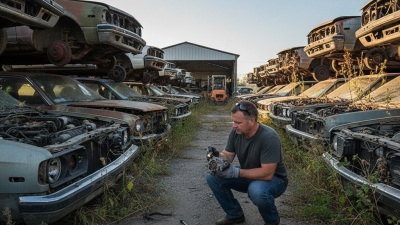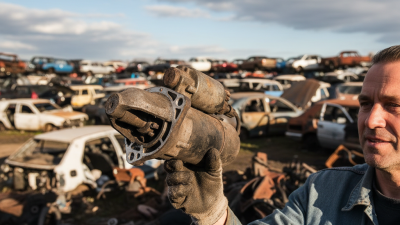
Junkyard parts have become a go-to solution for many DIY enthusiasts and seasoned mechanics alike. John Smith, a renowned expert in automotive repair, emphasizes their value, stating, "Using junkyard parts can save you money and provide hard-to-find components." This perspective resonates with those seeking affordable and reliable options for their projects.
Choosing junkyard parts often brings unforeseen challenges. Finding the right part may require patience and persistence. However, the rewards can be significant. Many parts are still in excellent condition and can be used for various repairs. The cost-effectiveness of junkyard components can appeal to both budget-conscious individuals and eco-friendly advocates.
While using parts from a junkyard comes with risks, the benefits often outweigh them. The potential for discovering rare items makes the search worthwhile. Junkyard parts promote sustainability and creative problem-solving, reflecting a unique blend of resourcefulness and practicality. As you dive into your next project, consider the possibilities that junkyard parts can offer.
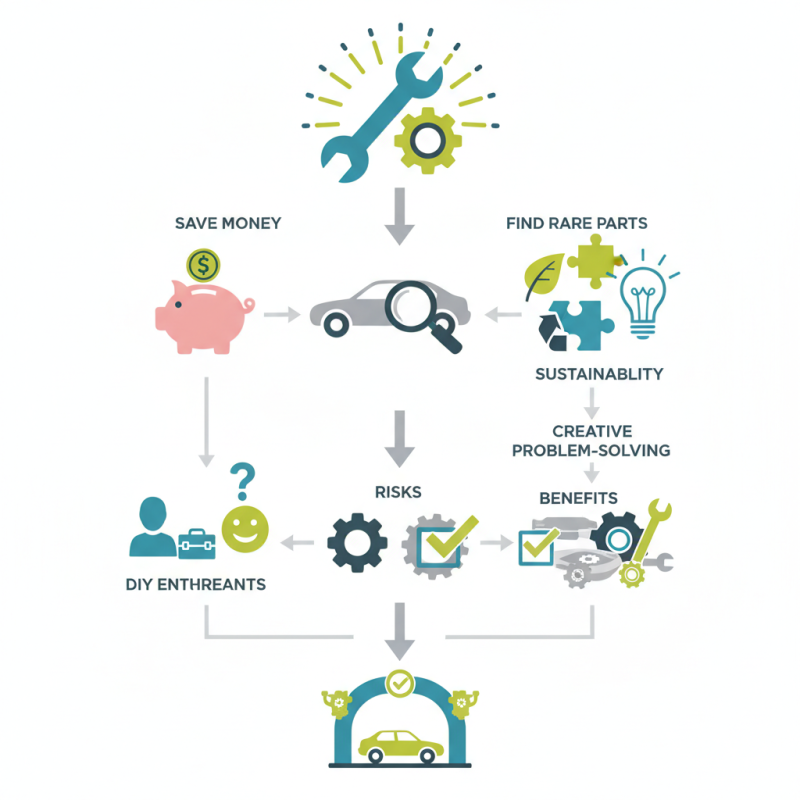
Using junkyard parts for vehicle repairs offers numerous advantages. The most notable benefit is cost savings. According to a report by the Automotive Aftermarket Industry Association, using recycled parts can save vehicle owners up to 50% on repair costs. This is significant, especially for older vehicles where new parts can be disproportionately expensive.
Another important aspect is sustainability. The automotive industry produces millions of tons of waste yearly. Choosing junkyard parts helps reduce this waste. A study from the National Recycling Coalition highlights that recycling one ton of metal can save up to 1,400 pounds of iron ore. Opting for used parts not only saves money but also minimizes environmental impact.
However, there are challenges. Used parts may not always come with warranties, and their condition can be unpredictable. It’s essential to inspect parts thoroughly before purchase. There can be concerns about compatibility, especially with older models. Professional mechanics often advise testing parts whenever possible. This reflection can lead to a more informed and satisfactory repair experience.

When embarking on a project, considering junkyard parts can significantly reduce expenses. These components come from older or damaged vehicles, often at a fraction of the price of new parts. Many mechanics and DIYers appreciate the affordability junkyard parts provide, allowing for budget-friendly repairs and modifications.
When selecting components, inspect each part carefully. Look for signs of wear or damage. This attention to detail can make a difference in the outcome of your project. Choosing quality over quantity is essential, even in the junkyard.
Tips: Focus on parts that are less prone to failure. Items like wheels, doors, and glass often hold up well. Engage with knowledgeable junkyard staff; they can offer insights on the best parts for your project. This guidance can enhance your decision-making process. Reuse and repurpose wherever possible to maximize value. Every component tells a story; understanding their history can inform your choices.
Recycling auto parts is crucial for our environment.
Junkyard parts reduce waste and conserve resources.
When you choose recycled components, you help lower the demand for new materials. This reduces the energy required for production.
It also minimizes pollution from manufacturing processes.
Many people overlook the impact of auto parts recycling. An estimated 25 million tons of iron and steel are recycled each year from vehicles.
These recycled materials can be repurposed for new vehicles, construction, or even appliances.
It’s a cycle that relies on our participation.
By using junkyard parts, we can contribute to a more sustainable future.
This choice helps keep our landfills less crowded. However, it is essential to ensure that the parts are in good condition.
Not every junkyard part meets quality standards.
Inspecting and understanding the history of these components can be challenging.
But the rewards often outweigh the risks.
Embracing recycled parts signifies a commitment to sustainability and responsible consumption.
When searching for quality parts in a junkyard, knowing where to look is vital. Start by locating a reputable junkyard. Look for places that have been in business for years. Experienced staff can guide you through the inventory. They often have valuable insights. This can save you time and money.
Inspect the parts closely. Look for signs of wear, rust, or damage. A small scratch might be acceptable, but avoid heavily worn components. Don’t hesitate to ask about the part's history. Sometimes, a quick conversation reveals valuable information. It can inform your decision.
Bring the right tools. A simple set can help you remove parts safely. If a part looks promising, take it. However, be prepared for imperfections. Sometimes, a part may not fit as expected. Be willing to make adjustments or repairs. This can be part of the project. Embrace the learning experience.
| Part Type | Condition | Typical Price Range | Tips for Quality Check |
|---|---|---|---|
| Engine | Used | $500 - $1500 | Check for leaks and rust |
| Transmission | Rebuilt | $300 - $1200 | Look for warranty if available |
| Body Panels | Used | $50 - $300 | Inspect for dents and scratches |
| Wheels | Used | $30 - $150 each | Check for bends and cracks |
| Seats | Used | $20 - $200 | Check for tears and functionality |
When exploring junkyards for parts, safety is paramount. Wear the right gear. Hard hats, gloves, and sturdy shoes can protect you from potential hazards. Always look out for sharp edges and heavy items that might fall. It's easy to get excited and forget safety, but a moment of carelessness can lead to injuries.
Before removing any parts, identify what you need. Having a plan will prevent unnecessary rummaging. Bring the right tools—this includes wrenches, pliers, and screwdrivers. Rushing through the process often leads to mistakes. Make sure to work slowly and thoughtfully. Be prepared to ask for help if you're unsure about how to remove a part safely.
Respect the environment and the yard. Return what you don't use. Leave the area cleaner than you found it. It’s important to remember that junkyards are not just places for parts; they hold history and stories. Reflect on the journey of each vehicle. Embrace the process, and you may find that it’s as rewarding as the end result.
Logel’s Auto Parts
116 Bridge St East
Kitchener, Ontario
N2K 1J6
Phone: 519-745-4751
Toll Free: 1-800-818-9118
Hours 8:00-5:00 Monday to Friday
At Logel’s Auto Parts, we serve a range of communities in Southern Ontario, including:
Sign up today for the latest updates from the Logel’s Auto Parts team, including pricing for scrap vehicles, our newest product lines, current operating hours, and much more.