
What is waterjet cutting machinery and how does it work?

waterjet cutting machinery has revolutionized the way we process materials. This technology uses high-pressure water to cut various substances, from metal to glass. The process is precise and efficient, making it suitable for intricate designs and tough materials.

Understanding how waterjet cutting machinery works is essential for many industries. The machinery operates by pressurizing water and mixing it with an abrasive substance. The result is a powerful jet that can slice through even the hardest materials. Its versatility is impressive, yet it also poses challenges.

Operators need to be skilled. Mistakes in setup can lead to wasted material or inaccurate cuts. Continuous improvement in techniques is critical. Despite its capabilities, reliance solely on this method without understanding its limitations can be counterproductive. Balancing efficiency and precision remains a key concern.
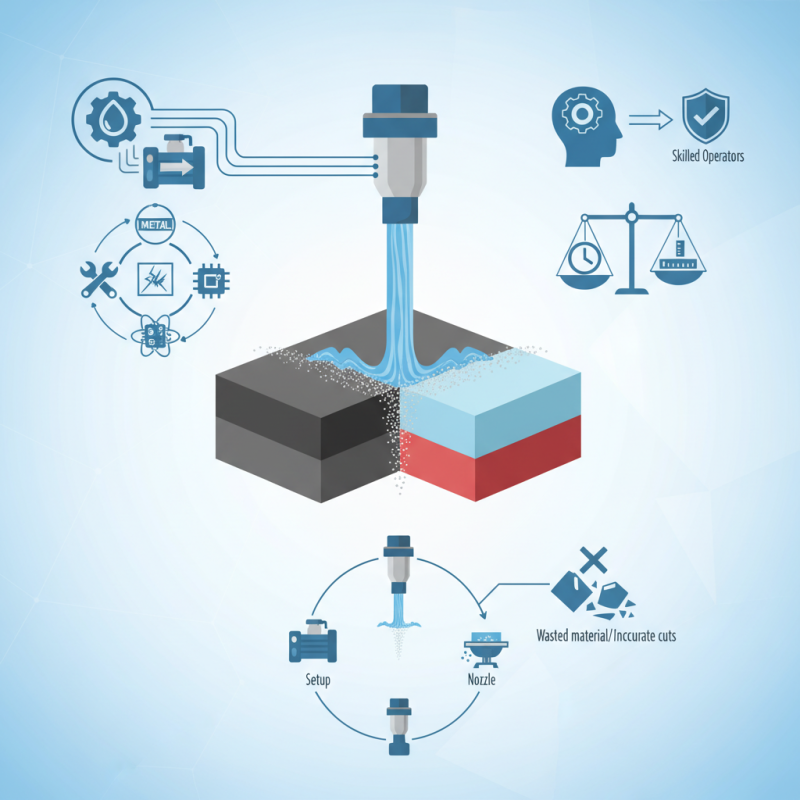
What is waterjet cutting machinery and how does it work?

What is Waterjet Cutting Machinery?

Waterjet cutting machinery uses high-pressure water jets to cut various materials. This technology excels in precision cutting and versatility. It operates using a pump that generates water pressure up to 60,000 psi. The water is then forced through a tiny nozzle, creating a concentrated jet that can cut through materials such as metal, glass, and stone. According to industry data, waterjet cutting has grown by 15% annually due to its eco-friendly attributes and the elimination of heat-affected zones.

When considering waterjet cutting, think about the thickness of the materials. Thicker materials may require a longer cutting time. Additionally, the process can create a waste of materials if not properly calibrated. It’s crucial to set the nozzle height accurately. A misalignment can lead to poor quality cuts and increased costs.

Tips for maximizing waterjet efficiency include regularly maintaining the machinery. Ensure the water filtration system is clean to prevent clogs. Monitor the abrasive material usage as well. Excessive use can lead to unnecessary expenses. Remember, each project demands a tailored approach for optimal results. Experiment with different settings, but track your outcomes to learn what works best.


The Key Components of Waterjet Cutting Systems

Waterjet cutting systems are innovative tools that utilize high-pressure water to cut through various materials. Understanding their key components is essential for effective operation. The system mainly comprises a pump, a cutting head, and an abrasive delivery system.

The pump generates extreme water pressure, often exceeding 60,000 psi. High pressure is critical, as it allows the waterjet to precisely cut through tough materials like metal, glass, or stone. The cutting head directs this high-pressure water into a focused stream. It's fascinating how a tiny orifice can create such powerful jets.

The abrasive delivery system adds granules, enhancing cutting capabilities. Not all materials require abrasives, making some applications solely reliant on pure waterjets. Tips for optimal use include regularly checking the pump's pressure settings. Regular maintenance can prevent unexpected failures. Operators should also analyze the material thickness before choosing the settings.

Precision is essential, but mistakes can happen. Sometimes, the wrong abrasive is used, leading to poor cut quality. Reflecting on these issues can be beneficial for improvement. Observing and adjusting based on feed rates can also enhance cuts. Experimenting with different components encourages better results over time.

How Waterjet Cutting Works: A Step-by-Step Process

Waterjet cutting is a fascinating technology. It uses a high-pressure stream of water, mixed with abrasive material, to cut through various materials. The process begins with pressurizing water to over 60,000 psi. This water is then forced through a tiny nozzle, creating a powerful jet.

During cutting, the jet can reach speeds of up to 3,000 feet per second. This allows it to slice through materials like steel, glass, and stone. According to a report by the Industrial Cutting Association, waterjet cutting is 30% more efficient than traditional cutting methods. This efficiency reduces waste and saves costs.

However, the technology does face some limitations. Thick materials can slow down the process. Also, the setup requires precise calibration, which can lead to errors if not correctly managed. Some operators report difficulties in achieving clean edges consistently. Despite its advantages, waterjet cutting is not always the perfect solution. It is essential to evaluate each project for the best methods.

Types of Materials Suitable for Waterjet Cutting

Waterjet cutting is a versatile technology used for various materials. It utilizes high-pressure water mixed with abrasives to cut through substances. This technique is particularly effective for softer materials like rubber and foam. However, it can also tackle more challenging materials such as metals and stone.

When considering materials suitable for waterjet cutting, metals like aluminum and stainless steel stand out. They can achieve precise cuts without heat-affected zones. On the other hand, materials like glass and ceramics require careful handling. These materials can crack if not processed correctly. The nuances of each material’s composition play a crucial role in the cutting outcome.

Yet, not all materials are ideal for this method. For instance, some plastics can warp under the force of water jets. It's important to test different factors to achieve the desired results. Understanding the properties of each material is key to effective waterjet cutting. Adjusting pressure and speed can enhance precision but may require patience and repeated attempts. Each project is a learning experience, providing insights into the capabilities and limitations of waterjet technology.

Advantages and Applications of Waterjet Cutting Technology

Waterjet cutting technology offers unique advantages across various industries. This process uses high-pressure water, often mixed with abrasives, to cut through materials. It's especially effective for materials like metals, glass, and stone. Based on recent industry reports, the waterjet cutting market is projected to reach $2 billion by 2026. This growth reflects its rising popularity in manufacturing and construction.

One major advantage is the lack of heat-affected zones. Traditional cutting methods can warp materials due to heat. Waterjet cutting maintains the material's integrity. Furthermore, it produces minimal waste. A 2019 study found that companies using waterjet technology reduced material waste by up to 30%. This efficiency not only saves costs but also benefits the environment.

Waterjet cutting is versatile; however, performance can vary based on factors such as material type and thickness. Some users report that the initial setup can be complex. Training is essential for operators to maximize efficiency. Adapting to new technology often requires adjustments. Despite these challenges, industries like aerospace and automotive benefit significantly from this method.

Start typing and press Enter to search