Top Junk Parts Suppliers for Global Buyers?

Global buyers entering the junk parts market need more than a long supplier list. They need evidence, consistency, and practical judgment. A reliable supplier should provide clear part descriptions, accurate photographs, inventory records, and traceable vehicle information. Testing reports matter too. So does packaging.

Michael E. Wilson, a longtime automotive recycling industry executive, has said, “Automotive recycling is a critical part of the circular economy.” His observation explains why responsible junk parts sourcing deserves careful attention. Reused components can reduce waste, conserve manufacturing resources, and support affordable vehicle repairs. Yet environmental value depends on disciplined operations, not attractive claims.

This guide examines top junk parts suppliers for global buyers through several useful measures. These include product quality, catalog accuracy, inspection procedures, communication, shipping performance, warranty terms, and regulatory awareness. Suppliers should also handle fluids, batteries, airbags, and other sensitive components responsibly. Buyers must confirm import requirements before placing orders. Rules differ between countries, ports, and product categories.

No supplier is perfect. A clean website cannot guarantee a dependable shipment. A low price may hide missing hardware, corrosion, or uncertain mileage. That is where careful questions become valuable. Request current photos, testing details, packaging dimensions, and written return conditions. Keep records.

The strongest suppliers make verification easier. They admit limitations. They correct errors quickly. This introduction sets the standard for comparing global providers with experience, expertise, authority, and trustworthiness in mind.
Top Junk Parts Suppliers for Global Buyers?

What Are Junk Parts Suppliers and What Do They Provide?

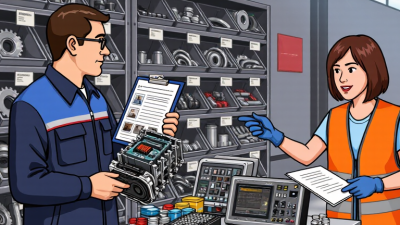
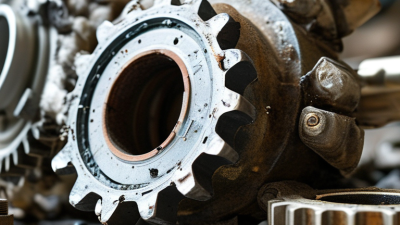
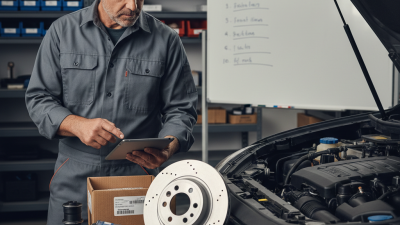
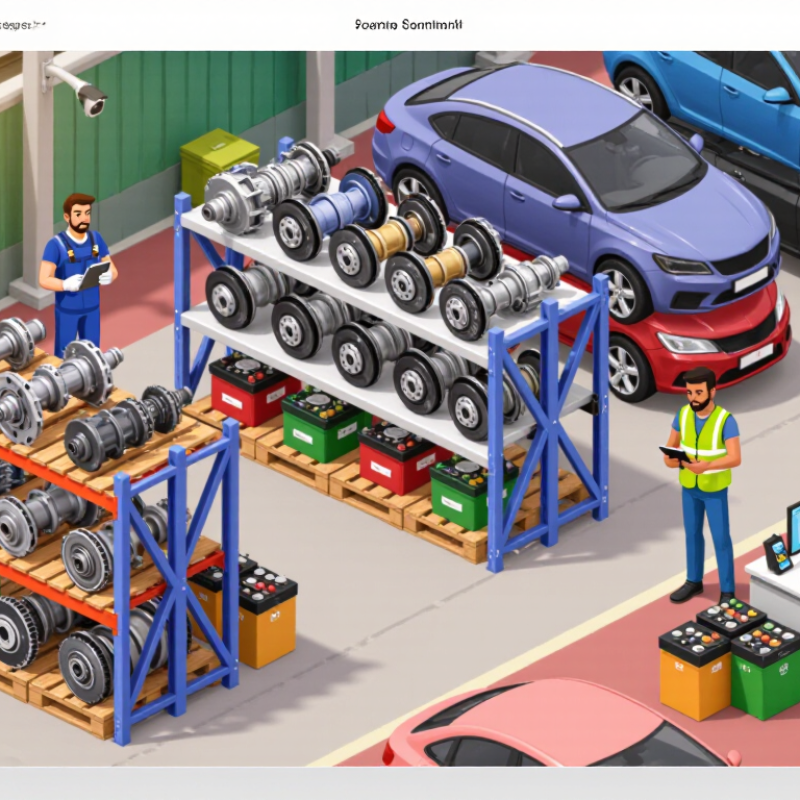
Junk parts suppliers collect, sort, inspect, and resell recoverable components from dismantled vehicles and machinery. The word “junk” can mislead; many parts are used, salvaged, or surplus rather than worthless. Their inventories may include engines, gearboxes, doors, lights, pumps, brackets, and electronic modules. A reliable supplier records identification numbers, visible wear, storage conditions, and known operating history. Photos should show connector pins, mounting points, fluid stains, and damaged edges. Small details matter. These records help global buyers compare condition, compatibility, and expected service life. Experienced buyers still verify measurements because catalog descriptions can contain errors. The term remains imperfect.

Suppliers may provide testing reports, part numbers, interchange information, condition grades, and limited warranties. Some also arrange dismantling, cleaning, protective packaging, export documents, and freight coordination. Good communication matters when a component crosses borders. Ask whether the part was tested under load or only checked visually. Confirm return terms, taxes, delivery damage procedures, and the exact item shown in photographs. A low price is not enough. A worn seal can turn a cheap gearbox into a costly repair. For brakes, steering parts, airbags, and other safety-critical components, professional inspection remains essential. Regional standards may also affect installation and use. Suppliers can make mistakes, and buyers can overlook them. Not every bargain works.

How to Evaluate Junk Parts Suppliers for Global Purchasing

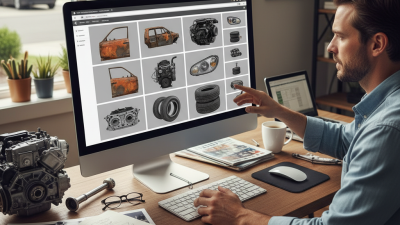
Global buyers should treat junk parts as recovered automotive components, not anonymous metal. The Circularity Gap Report 2024 estimated that only 7.2% of the global economy was circular. This highlights the value of verified reuse, but quality still controls the risk. A reliable supplier should provide part numbers, donor-vehicle details, mileage, inspection records, and clear condition grades. Photos must show connectors, mounting points, corrosion, and labels. A polished warehouse is not proof.

Purchase records should also show testing methods, return terms, warranty limits, export packaging, and response times. UNEP’s Global Resources Outlook 2024 reported that resource extraction and processing create over 55% of global greenhouse-gas emissions. Reusing a suitable component can reduce material demand, but only if it performs safely. Request compatibility checks by vehicle identification number, where applicable. Confirm whether electronic modules were reset, tested, or sold unverified. That detail often changes the real price.

Tips: Begin with a small trial order. Measure defect rates, packing damage, delivery accuracy, and refund speed. Ask for a live inspection video before larger purchases. Compare landed cost, not unit price. A low-cost alternator can become expensive after customs delays and labor. I would also audit a supplier twice; conditions change, and one successful shipment proves very little. Keep a written scorecard, even when the supplier seems trustworthy. Some documentation may still be incomplete. That is a reason to pause, not a reason to guess.

Which Regions Offer Reliable Junk Parts Suppliers?

Top Junk Parts Suppliers for Global Buyers?

Reliable junk parts suppliers are often found in regions with mature vehicle recycling systems. North America offers broad inventories, organized salvage yards, and established grading practices. Many suppliers provide photos, mileage records, and removal dates. These details help overseas buyers compare condition before purchasing.

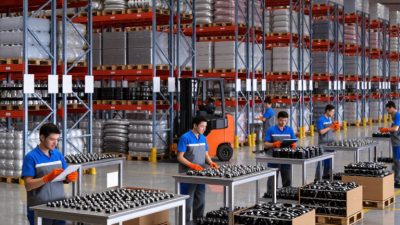
Western Europe is another strong sourcing region. Strict recycling rules encourage better documentation and controlled dismantling. Suppliers may provide origin records, compatibility data, and functional test results. Japan and South Korea also have skilled dismantling networks, especially for carefully maintained vehicles. Their warehouses often use labeled shelves and barcode tracking. Records matter.

Southeast Asia can offer competitive prices and large inventories, but quality varies between suppliers. A remote buyer should request recent warehouse videos, close-up images, and packing procedures. Ask twice. Independent inspection is useful for engines, transmissions, electronic modules, and safety-related components. Suppliers should explain export documents, return terms, and damage assessment clearly. No region is perfect. Even a well-documented part may arrive with hidden corrosion or missing connectors. A small trial order can reveal packing quality, response speed, and actual grading accuracy before larger purchases.

What Standards and Documents Should Buyers Verify?

Global buyers should verify the supplier’s standards before purchasing junk or used vehicle parts. Ask for a valid quality-management certificate, such as ISO 9001 or an industry-specific equivalent. For automotive components, confirm inspection procedures for braking, steering, electrical, and structural parts. A certificate alone is not enough. Check its scope, expiry date, issuing body, and covered facility.

Request clear documents for every shipment. These should include a commercial invoice, packing list, certificate of origin, inspection report, and accurate part-number list. Material certificates may be necessary for metal components. Photos should show labels, wear, corrosion, cracks, and storage conditions. An independent inspection can compare the cargo with the documents before loading. That small step often prevents expensive disputes. I have found that vague descriptions, such as “mixed parts,” create avoidable customs and quality problems. Buyers should also confirm correct product classification and destination-country requirements with qualified customs professionals.

Tips: Keep samples of approved parts. Record serial numbers and inspection dates. Ask for traceability records when parts affect safety. Use a written acceptance standard, not only photographs. Do not rely on promises. Some suppliers may provide excellent paperwork but weak storage controls, so an on-site visit or third-party inspection remains useful. Mistakes still happen, especially with older inventory, and buyers should leave room for rechecking before payment.

How to Compare Prices, Shipping, and After-Sales Support

Global buyers should compare the complete landed cost, not only the supplier’s unit price. Ask for item condition, inspection photos, packaging dimensions, and a written quote valid for a fixed period. A cheap component may become expensive after testing, repacking, and customs clearance.

UNCTAD’s Review of Maritime Transport 2024 reported 2.4% growth in global maritime trade during 2023, while warning about disruption-driven cost volatility. Request at least two freight options, such as consolidated cargo and express delivery. Check transit time, insurance coverage, tracking quality, and responsibility for damaged packages. The lowest shipping rate is not always the safest choice. I have seen buyers overlook dimensional weight. That mistake can erase the original price advantage.

After-sales support deserves the same attention as pricing. The 2023 World Bank Logistics Performance Index evaluates 139 economies across customs, infrastructure, shipment quality, and timeliness. Use those factors when judging a supplier’s delivery claims. Require a clear inspection window, replacement terms, refund procedure, and response-time commitment. Keep conversations in writing. Ask how serial numbers, compatibility details, and test records are verified. A supplier that answers quickly but avoids evidence remains a risk. My own comparison sheets sometimes overvalue price and undervalue downtime. That needs correction. Reliable suppliers provide traceable documents, practical packaging details, and support after payment, not just polished quotations.

Start typing and press Enter to search