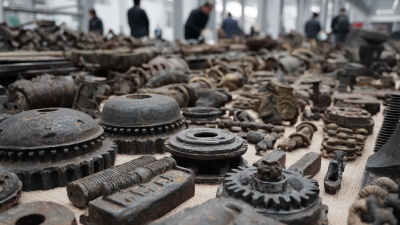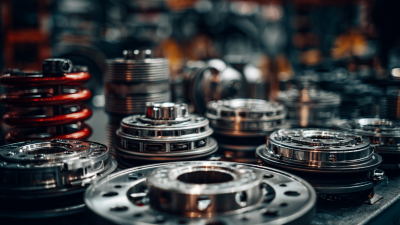
In today's automotive landscape, the term "junk parts" often carries a negative connotation. However, many vehicle owners face the challenge of finding cost-effective solutions for maintenance. Expert in automotive management, John Smith, once stated, "The right junk parts can save money while keeping your vehicle functional." This emphasizes that not all discarded components are without value.
It's essential to consider the circumstances surrounding junk parts. For instance, many of these components can be refurbished or repurposed, making them viable options. Inspecting each part for quality and reliability becomes crucial. What may seem like a discarded piece could extend the life of your vehicle at a fraction of the cost.
Nevertheless, one must tread carefully. Not every junk part deserves a second chance. Some may compromise safety or performance. Finding the right balance between saving money and ensuring quality is vital. Making informed choices is necessary while scouring through these parts for your maintenance needs.
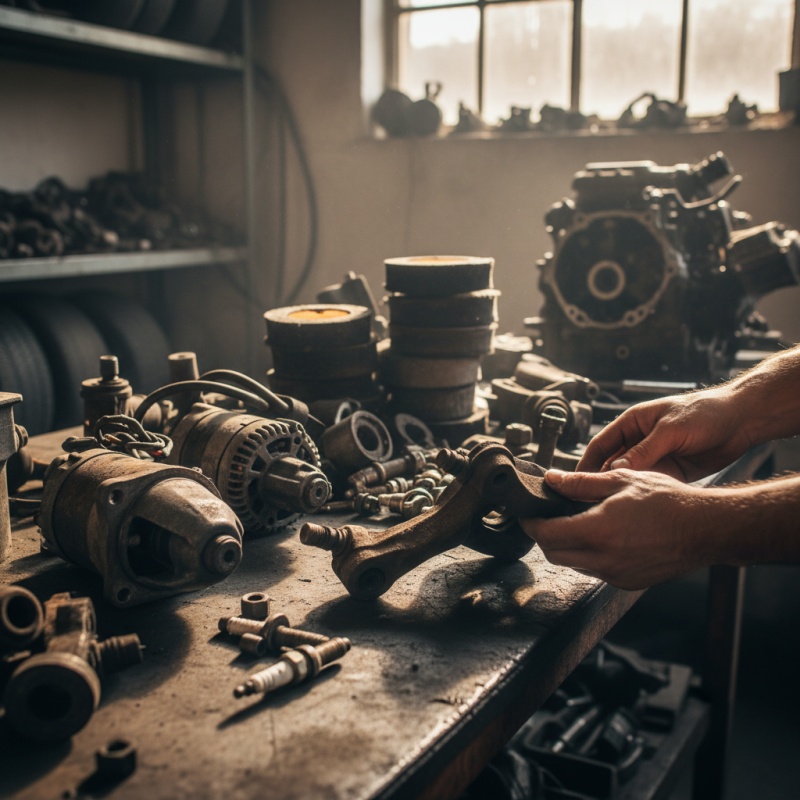
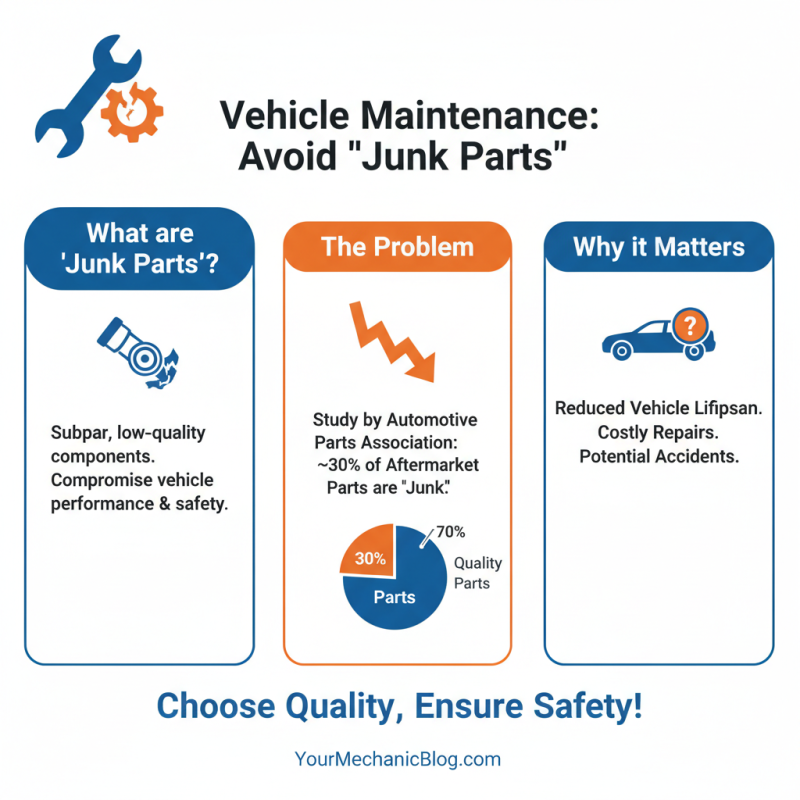
When discussing vehicle maintenance, the term "junk parts" often surfaces. Junk parts refer to those components that are subpar and can compromise vehicle performance. A study by the Automotive Parts Association shows that around 30% of aftermarket parts can fall into this category, which is a significant figure for car owners to consider.
Using junk parts can lead to more issues down the line. For instance, they may not fit securely or function properly. This can cause further damage to the vehicle, potentially leading to costly repairs. Approximately 20% of drivers report experiencing problems after using poorly manufactured parts. It's clear that not all parts uphold the safety and reliability expected by vehicle owners.
Evaluating the quality of auto parts is crucial. Not all junk parts are easy to identify at a glance. Many appear fine but may lack durability or precision in engineering. This gray area makes it necessary for vehicle owners to consult trusted sources or experts, ensuring they make informed decisions. Additionally, it's prudent to invest in quality over price, as this can save money and stress in the long run.
When it comes to vehicle maintenance, using junk parts can lead to significant issues. Many drivers opt for cheaper alternatives, hoping to save money. However, these parts often lack quality and can compromise vehicle performance. For instance, a report from the Automotive Industry Association indicates that using subpar brakes increases stopping distances by nearly 20%. This can be a critical safety concern.
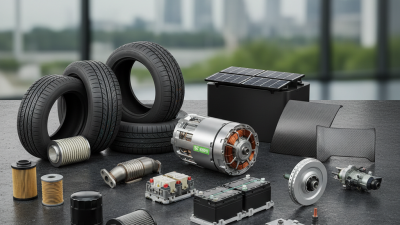
Common junk parts include filters, batteries, and suspension components. These items not only wear out faster but can also lead to further vehicle damage. A study showed that low-quality oil filters could allow contaminants to circulate, causing engine wear. On average, poor parts can reduce a vehicle’s lifespan by 15%. This reality forces drivers to spend more on repairs in the long run.
It’s essential to be cautious about part quality. Junk parts may seem tempting, but they may not fit perfectly. Misalignments or poor connections can create issues that are hard to track down. Ignoring this can lead to a frustrating experience for drivers. What seems like a quick fix could turn into a significant headache over time. Proper vehicle maintenance deserves the best tools, even if they cost a little more upfront.
Vehicle maintenance requires attention to detail. Certain signs can indicate the need for junk part replacement. Unusual noises from under the hood often signal issues. For instance, a squeaking noise could mean worn-out belts. According to industry reports, about 30% of drivers overlook such warning signs. Ignoring them can lead to more severe mechanical failures.
Frequent stalling or starting problems can also arise from faulty components. If your engine struggles to turn over, it may be time for a check-up. Around 15% of vehicle breakdowns are linked to poor maintenance practices. Corrosion on battery terminals or leaks under the vehicle are red flags. Small leaks can escalate into significant issues if not addressed promptly.
Pay attention to dashboard warning lights. They often reveal the state of critical systems within your vehicle. For example, a check engine light could point to various problems, from a loose gas cap to serious engine trouble. According to reports, as many as 20% of drivers ignore these alerts. Staying vigilant about these indicators can save you from costly repairs down the road.
When it comes to vehicle repairs, many car owners are turning to junk parts for affordability. In fact, a recent industry report suggests that replacing parts with used alternatives can save up to 50% of repair costs. This trend reflects both economic factors and environmental awareness. Junk parts can be sourced from various platforms, including scrap yards and online marketplaces. These sources often have extensive inventories.
Tips: Make sure to inspect all parts thoroughly. Look for signs of wear and damage. A visual check can reveal issues that aren't immediately apparent.
Another benefit of junk parts is their availability. As vehicles age, new parts become scarcer. Many mechanics acknowledge that sourcing used parts can prolong the life of a vehicle. For example, an alternator sourced from a trustworthy junk yard may still have many years of life left. When purchasing, ask for a warranty. Many sellers offer guarantees on their used parts.
Tips: Research the part number to ensure compatibility. This will help avoid mismatches that can lead to further repairs.
Keep in mind, however, that not all junk yards are created equal. While some provide quality parts at fair prices, others may sell items that are not reliable. Always do your homework and compare reviews and ratings before making a purchase.
When considering junk parts for vehicle maintenance, safety is key. Many people overlook proper installation techniques. Understanding your vehicle is crucial. Improperly installed parts can lead to serious issues.
Here are some tips for safe installation. Start with clean tools. A clutter-free workspace prevents accidents. Inspect each junk part for damage. Even minor flaws can cause problems later. Make sure you have the right manual for your vehicle. It helps to follow specific directions.
Remember that patience is vital. Take your time during installation. Rushing can lead to oversights. Double-check every connection. Be aware of how parts fit together. If something seems off, reassess your work. It's better to take a moment than to rush into mistakes.
| Part Type | Condition | Estimated Lifespan (Months) | Installation Difficulty | Safety Rating |
|---|---|---|---|---|
| Alternator | Used | 24 | Moderate | Good |
| Transmission | Reconditioned | 36 | High | Excellent |
| Brake Pads | Used | 12 | Easy | Fair |
| Starter Motor | Used | 18 | Moderate | Good |
| Radiator | Reconditioned | 30 | High | Excellent |
Logel’s Auto Parts
116 Bridge St East
Kitchener, Ontario
N2K 1J6
Phone: 519-745-4751
Toll Free: 1-800-818-9118
Hours 8:00-5:00 Monday to Friday
At Logel’s Auto Parts, we serve a range of communities in Southern Ontario, including:
Sign up today for the latest updates from the Logel’s Auto Parts team, including pricing for scrap vehicles, our newest product lines, current operating hours, and much more.