The automotive industry often faces a looming threat: junk parts. These components can significantly degrade vehicle performance. According to expert John Anderson, “Installing junk parts can compromise your safety and vehicle reliability.” His insight speaks volumes about the quality concerns in today's market.
Junk parts are often cheaper but come with hidden costs. Poor performance, decreased fuel efficiency, and potential mechanical failures can arise. A vehicle equipped with low-quality parts might struggle in harsh conditions, leaving drivers vulnerable. The allure of saving money can lead to serious regret down the road.
It’s essential to scrutinize where and how parts are sourced. Many people overlook the impact junk parts have on their cars. A routine inspection can reveal subpar components that might not be obvious at first glance. Neglecting this can lead to costly repairs and safety hazards. Understanding the implications of junk parts is vital for any car owner.
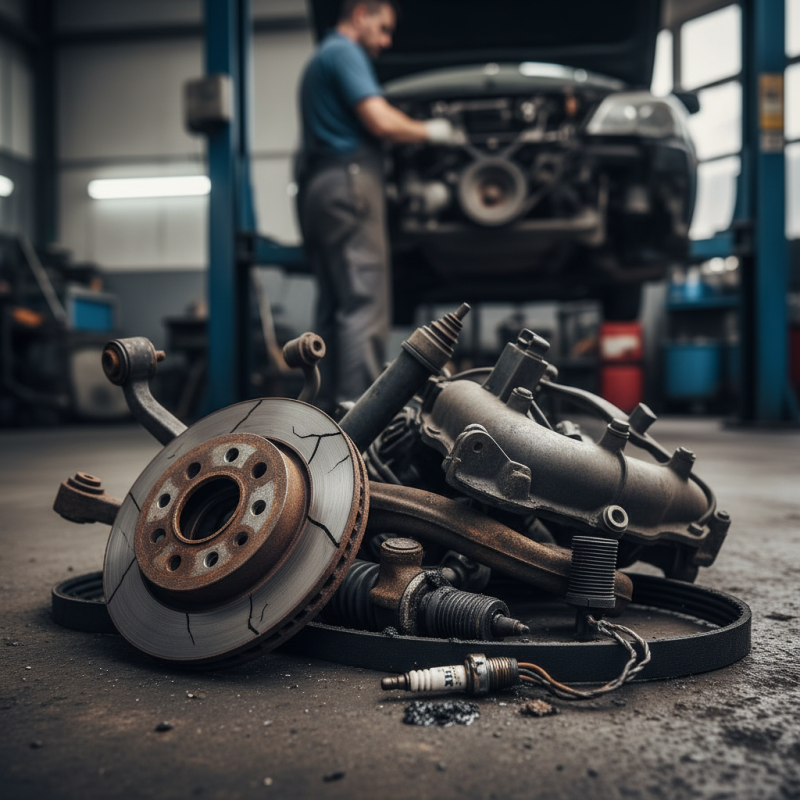
In the automotive industry, junk parts refer to components that are substandard or damaged. These parts can significantly affect vehicle performance. Many drivers unknowingly upgrade to these items, thinking they are getting a good deal. Often, these parts lack the durability found in authentic replacements.
Consider brake pads. Low-quality brake pads may cause squeaking or reduced stopping power. This not only impacts safety but can also lead to further damage. A vehicle owner might save a few dollars initially, but that could lead to more costly repairs down the line. Similarly, unreliable fuel pumps can disrupt engine performance, leading to inconsistent acceleration.
Many buyers chase lower prices without properly assessing quality. It’s essential to be aware of the potential risks involved. Poor choices can result in frequent repairs or decreased efficiency. Reflection on these decisions is crucial for all vehicle owners. Investing in quality parts pays off in the long run, ensuring reliability and safety on the road.
When discussing junk parts, we often encounter a variety of components that can compromise vehicle performance. These parts may include worn-out brakes, subpar batteries, and rusted exhaust systems. Worn brakes, for instance, can significantly affect stopping distance. New brakes feel smooth; used ones can lead to dangerous delays. Drivers might notice a grinding noise, which shouldn't be ignored.
Another common issue is with batteries. Older models can lose their charge quickly, leaving you stranded. An unreliable battery might spark at times but fails when you least expect it. It’s a constant headache. Rusted exhaust systems also contribute to pollution and reduced fuel efficiency. A vehicle may sound louder, but that doesn't mean it's performing better. Instead, it wastes fuel, which drivers often overlook.
Additionally, fake or low-quality parts can deceive buyers. They may look good at first. However, over time, their impact becomes apparent. Some parts might fit initially but wear out faster. Choosing the right replacements is crucial. It’s essential to weigh the risks versus benefits when considering cost-cutting alternatives. The long-term implications could lead to more problems.
| Part Type | Common Characteristics | Impact on Performance |
|---|---|---|
| Brake Pads | Low-quality materials, high wear rate | Increased stopping distance, noise |
| Spark Plugs | Poor conductivity, short lifespan | Rough idling, decreased fuel efficiency |
| Oil Filters | Low filtration quality, weak construction | Engine wear, potential damage |
| Air Filters | Inferior materials, poor airflow | Reduced engine performance, increased emissions |
| Batteries | Unreliable charge holding, short life | Failed starts, electrical issues |
When it comes to vehicle performance, junk parts can be a hidden enemy. These components, often cheaper and weaker, may seem appealing at first. However, they can drastically affect how a vehicle drives. For example, using substandard brake pads can lead to longer stopping distances. This jeopardizes safety and can lead to accidents.
Furthermore, junk parts might not fit properly. This can cause vibrations that wear down other components prematurely. A poorly made exhaust system could increase emissions and lower fuel efficiency. Drivers may not always notice these changes initially, but they accumulate over time, leading to costly repairs.
The choice of parts is crucial. Many people overlook the long-term effects of their decisions. It’s tempting to save money, but true value lies in reliability. Investing in quality parts ensures the vehicle runs smoothly and safely. Without careful consideration, what seems like a good deal can become a costly mistake.
When it comes to vehicle performance, junk parts can make a significant difference. Identifying low-quality components is crucial for every car owner. Many drivers overlook the importance of selecting the right parts. This can lead to reduced performance and safety issues.
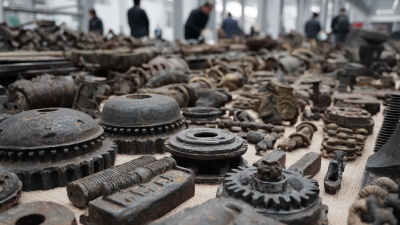
One tip for spotting junk parts is to examine materials closely. Cheap materials often feel flimsy and lightweight. Look for signs of rust or corrosion, especially on metal components. These can indicate weak points that may fail over time. Another red flag is inconsistent markings or branding. Genuine parts have clear identifiers; confusion in this area often points to counterfeit or inferior products.
Finally, always check reviews and ratings. Past experiences from other users can provide insights into the quality of a part. Pay attention to any recurring complaints. If numerous customers report issues, it's a warning sign. Poor reviews can reflect on the durability and reliability of components. Remember, settling for less can lead to costly repairs down the line.
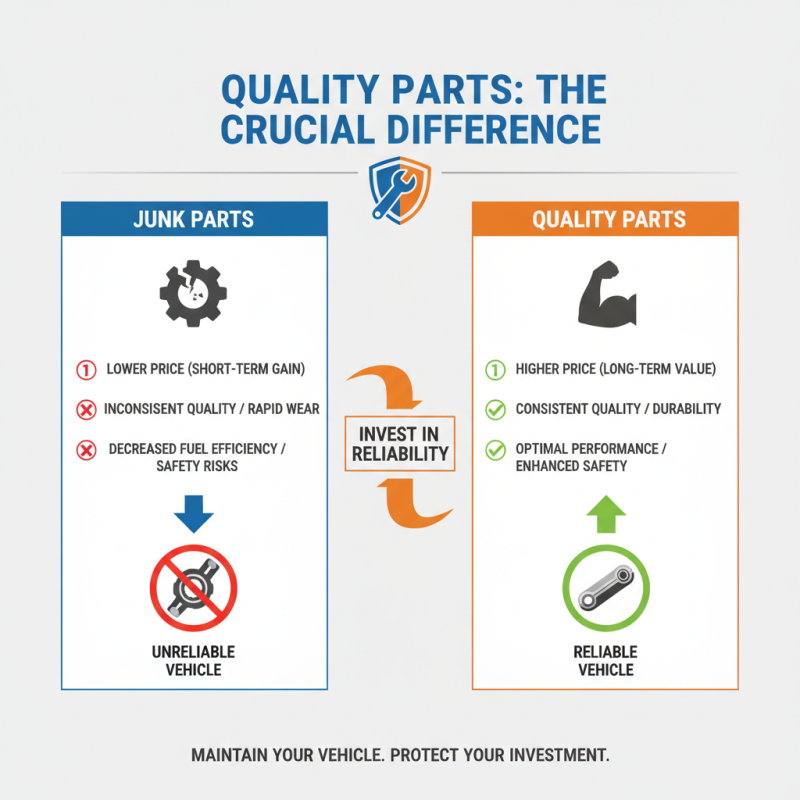
In vehicle maintenance, using quality parts is crucial. Junk parts may seem appealing due to their lower prices, but they often compromise performance. Inconsistent quality can lead to rapid wear and tear, decreased fuel efficiency, and even safety risks. Maintaining a reliable vehicle requires attention to these details.
To avoid junk parts, always do thorough research. Check reviews and ask for recommendations from trusted mechanics. When buying parts, ensure they come with warranties. Many reputable suppliers offer guarantees, providing peace of mind. Sometimes, cutting corners can result in higher long-term costs. Buy parts that fit your specific vehicle model.
Inspect parts before installation. Look for signs of wear or damage. A shiny new part doesn't always mean it's good. Compare it with the original part. Measure dimensions and check material quality. Don't hesitate to seek expert advice if uncertain. It's better to be careful than to regret a poor choice later.
Logel’s Auto Parts
116 Bridge St East
Kitchener, Ontario
N2K 1J6
Phone: 519-745-4751
Toll Free: 1-800-818-9118
Hours 8:00-5:00 Monday to Friday
At Logel’s Auto Parts, we serve a range of communities in Southern Ontario, including:
Sign up today for the latest updates from the Logel’s Auto Parts team, including pricing for scrap vehicles, our newest product lines, current operating hours, and much more.