China Top Automotive Body Parts Suppliers for Global Buyers?

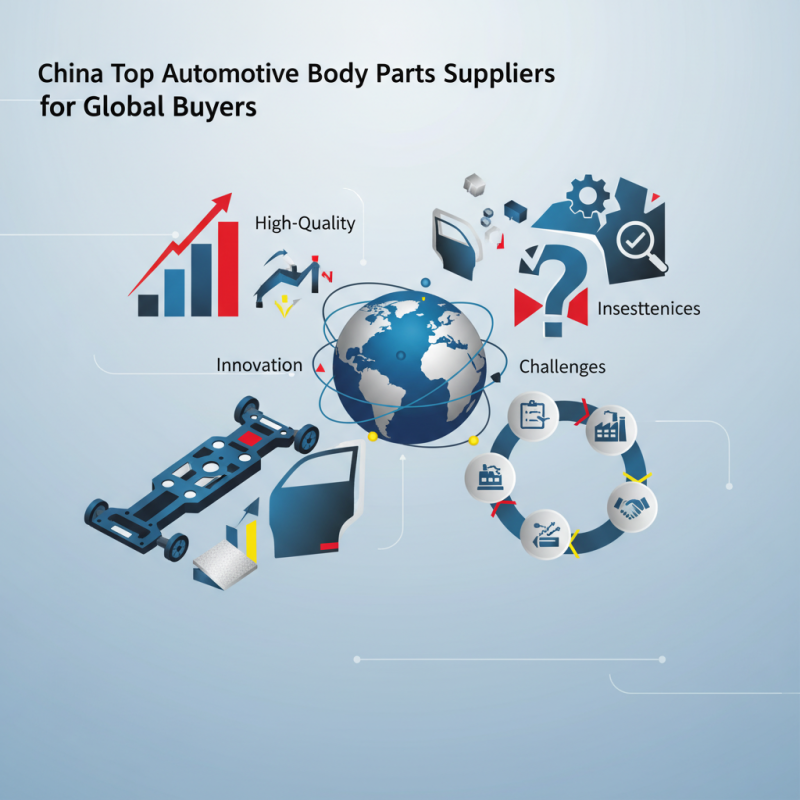
In the rapidly evolving automotive industry, the demand for high-quality automotive body parts has surged. China has emerged as a key player in this sector, offering a diverse range of products for global buyers. From traditional metal components to advanced composite materials, Chinese suppliers provide innovative solutions tailored to various automotive needs.

The automotive body parts landscape is complex, marked by competition and technological advancements. Buyers often seek reliable suppliers who can deliver consistency and quality. However, navigating this market can be challenging. Some suppliers may lack the necessary certifications or a proven track record, raising questions about their reliability. Therefore, it's crucial for buyers to conduct thorough research before making a decision.

While China offers numerous options, not all suppliers meet the highest standards. Some experiences reveal inconsistencies in product quality or service. Buyers should weigh these factors carefully. Understanding the strengths and weaknesses of automotive body parts suppliers can lead to informed decisions and successful partnerships.
China Top Automotive Body Parts Suppliers for Global Buyers?

China's Leading Automotive Body Parts Suppliers: An Overview
China Top Automotive Body Parts Suppliers for Global Buyers?

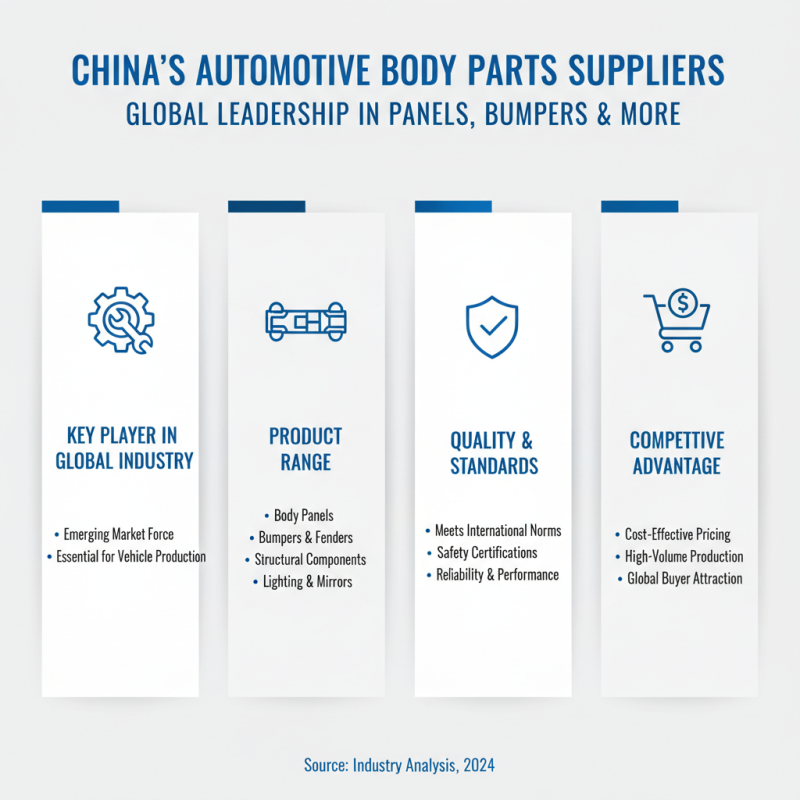
China has emerged as a key player in the global automotive body parts industry. Its suppliers offer a range of products, including panels, bumpers, and structural components. These parts are essential for vehicle production, meeting various quality and safety standards. The competitive pricing in China attracts international buyers who seek reliability and performance.

Many suppliers focus on innovation and technology. They invest in advanced manufacturing processes and research. This dedication enhances product quality and efficiency. However, navigating the supplier landscape is not always straightforward. Some manufacturers may struggle with quality control or delivery timelines. Buyers should conduct thorough research and establish clear communication for successful collaboration.

Sustainability is another critical area. As global demand for eco-friendly products rises, Chinese suppliers are gradually adopting greener practices. This shift requires constant evaluation and adaptation. Buyers need to assess sustainability claims carefully. They should prioritize suppliers committed to environmental responsibility. Understanding these dynamics can lead to better sourcing decisions in the long run.
Market Share Analysis of Top Chinese Automotive Parts Manufacturers

China Top Automotive Body Parts Suppliers for Global Buyers?

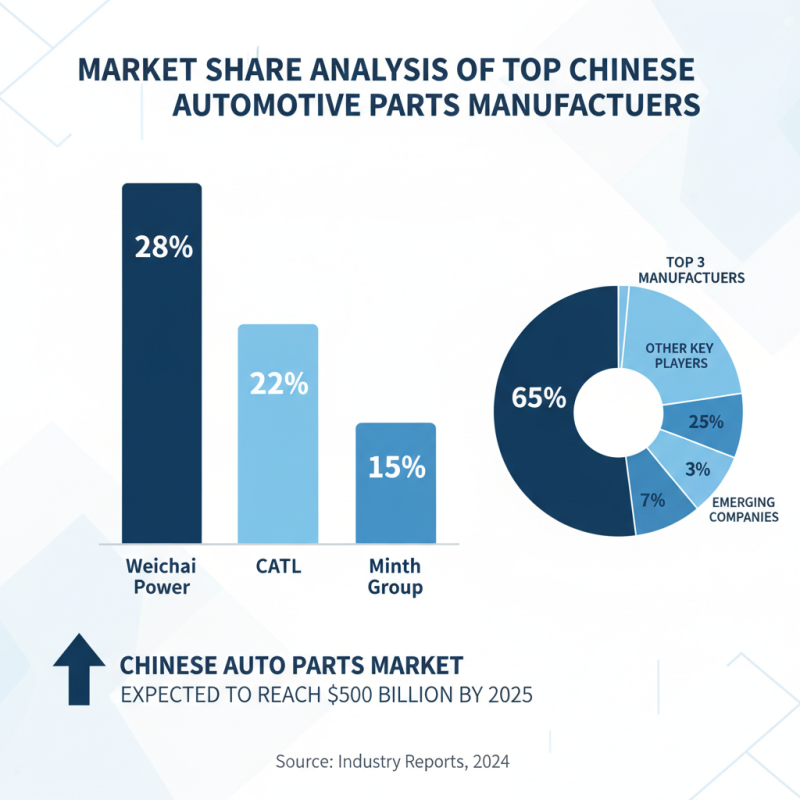
China's automotive parts industry has seen significant growth in recent years. Reports indicate that the market is expected to reach USD 500 billion by 2025. This rapid expansion highlights the dominance of several key players in the automotive parts sector.

Top manufacturers are focusing on innovation and sustainability. Approximately 30% of these companies are investing heavily in research and development. Data reveals that companies such as these dominate about 20% of the global market share. However, challenges remain. Production efficiency and quality control are ongoing concerns. Many suppliers struggle with maintaining high standards while scaling operations.

Another crucial aspect is the supply chain dynamics. With global demand fluctuating, some suppliers face difficulties in logistics and distribution. Compliance with international standards can also be a hurdle. Effective communication between manufacturers and global buyers is essential. Despite these challenges, the potential for growth remains strong in the Chinese automotive parts market. By addressing these issues, suppliers can enhance their competitiveness and profitability.

Key Factors Driving Growth in China's Automotive Parts Industry

China's automotive parts industry is on a robust growth trajectory, fueled by several key factors. With the global automotive market projected to reach $4 trillion by 2030, China is positioned as a crucial player. According to Statista, the automotive parts market in China was valued at approximately $48 billion in 2022, showcasing significant investment in manufacturing capabilities.

One major driving force is the increasing demand for electric vehicles (EVs). The International Energy Agency reported that global EV sales surged by 140% in 2021, with China leading this charge. The focus on sustainability is prompting automotive suppliers to enhance their production processes. However, this shift presents challenges. Many companies must adapt quickly to new technologies, risking potential setbacks during transition phases.

Additionally, the domestic supply chain's efficiency contributes to growth. China has a well-developed logistics network, facilitating rapid distribution of parts. Yet, a reliance on this infrastructure can be a double-edged sword. While it enhances speed, any disruption may significantly impact production timelines. The industry must remain vigilant and adaptable to ensure resilience against both local and global uncertainties.

Growth of China's Automotive Parts Industry

Comparative Review: China vs. Global Automotive Body Parts Suppliers

In recent years, China has emerged as a significant player in the automotive body parts sector. Its manufacturing capabilities provide a striking contrast to those of global suppliers. Chinese suppliers often offer competitive pricing and high-volume production. However, potential buyers need to consider quality variations across different manufacturers. Quality control processes may differ greatly between regions, which can lead to inconsistency.

Global suppliers typically emphasize long-standing industry experience and stringent quality standards. They may offer premium products but at higher price points. This expertise can enhance safety and reliability in automotive applications. However, these suppliers may struggle to match the production speed of Chinese manufacturers. Thus, buyers must weigh cost against quality and reliability when making decisions.

Sourcing decisions also hinge on logistical aspects. Shipping and delivery times can vary significantly. Buyers must communicate closely with suppliers to ensure expectations align with capabilities. A lack of transparency from some suppliers can lead to misunderstandings. It’s crucial for buyers to engage in thorough due diligence, assessing not only cost and speed but also the overall integrity of the supply chain.

Future Trends and Innovations in China's Automotive Parts Sector

China's automotive parts sector is rapidly evolving. With innovations in electric vehicle components and sustainable materials, the landscape is shifting. Local suppliers are investing heavily in research and development. They are embracing advanced manufacturing techniques to stay competitive. Increased focus on automation and AI is making production more efficient. These trends are significant for global buyers looking for reliable partners.

Tips: When considering suppliers, assess their innovation capabilities. Evaluate if they are adapting to future demands. Sustainability practices can indicate forward-thinking.

Another key development is the integration of smart technologies. More parts are incorporating IoT for enhanced connectivity. This can improve vehicle performance and user experience. Buyers should pay attention to suppliers specializing in technology integration. It's a sign of their adaptability.

However, not all suppliers are keeping pace with these changes. Some may still rely on outdated methods. It’s essential to critically analyze supplier capabilities. Understanding their strengths and weaknesses can guide better decisions.

Start typing and press Enter to search