
Top 10 Types of Medical Wheelchairs for Global Buyers?

Choosing a Medical Wheelchair is not simply a matter of comparing prices or attractive specifications. Global buyers must consider user mobility, posture, transfer ability, home layout, climate, maintenance access, and local clinical support. A lightweight folding chair may fit a narrow apartment and vehicle trunk, while a powered model may better serve someone with limited upper-body strength. Fit matters.

This guide introduces ten major wheelchair types, including manual, powered, transport, reclining, tilt-in-space, standing, pediatric, bariatric, sports, and all-terrain designs. Each type serves a different purpose. Seat width, seat depth, frame strength, cushion quality, wheel position, battery range, and braking systems can affect everyday safety and comfort. A chair used on smooth hospital floors may perform poorly on uneven village roads. Small details matter.

Reliable purchasing decisions should involve a qualified healthcare professional, wheelchair specialist, or rehabilitation therapist. Product documentation, user weight limits, warranty terms, spare-part availability, charging requirements, and service training deserve careful review. Buyers should also confirm applicable safety requirements in their destination market, because certification practices and import rules can vary. A ranking can mislead.

The most expensive option is not automatically the best option. Some features increase weight, repair complexity, or operating cost without improving the user’s daily independence. Personal trials are valuable, although they may not always be available for international orders. This overview aims to provide practical comparisons, while recognizing that individual assessment remains essential. Needs differ.
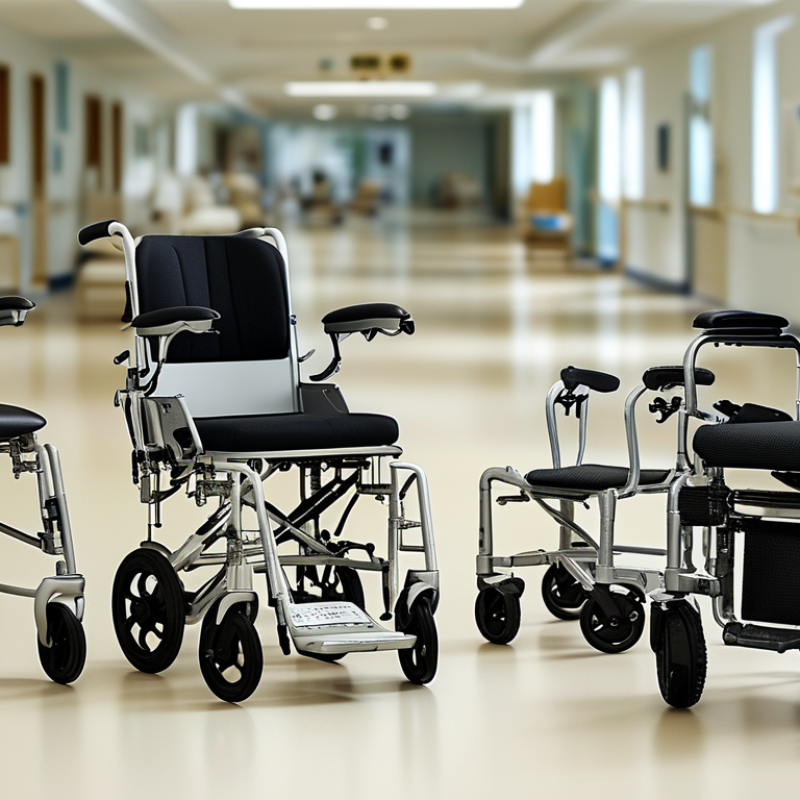
Top 10 Types of Medical Wheelchairs for Global Buyers?

Wheelchair Categories and Their Main Medical Uses

Wheelchair choice should follow the user’s medical need, posture, environment, and transfer ability. WHO and UNICEF’s Global Report on Assistive Technology (2022) estimates that 2.5 billion people need assistive products. That demand may exceed 3.5 billion by 2050. The ten main categories include standard manual, transport, lightweight folding, rigid active, pediatric, bariatric, reclining, tilt-in-space, standing, and powered wheelchairs. Standard models support daily mobility. Transport chairs suit short transfers with caregiver assistance. Active chairs support independent users with strong upper-body control. Pediatric chairs allow growth and positioning changes. Bariatric models provide wider seating and reinforced frames. Reclining and tilt-in-space designs help users with pressure management or limited trunk control. Standing chairs support supported weight-bearing. Sports chairs serve adapted recreation, not routine clinical care.

Clinical assessment matters more than the label. A powered wheelchair may improve independence for users with low endurance, while a manual chair may fit brief indoor movement. Seating specialists should check pelvic stability, hip width, foot support, cushion pressure, and door clearance. ISO 7176 standards address wheelchair performance and safety testing, but laboratory results cannot predict every home environment. Real users often discover this gap.

Tips: Measure the narrowest doorway first. Confirm battery transport rules before travel. Ask for a pressure-relief trial. Do not assume a reclining back solves poor positioning. WHO’s Priority Assistive Products List includes wheelchairs, cushions, and repair services, showing that maintenance is part of medical value. Fit can still be imperfect. Review it after real-world use.


Standard Manual Wheelchairs for Everyday Clinical Mobility

Among the top 10 wheelchair types for global buyers, standard manual wheelchairs remain central to everyday clinical mobility.

They suit hospital corridors, rehabilitation rooms, outpatient visits, and short transfers.

Their basic structure usually includes a folding or rigid frame, two large rear wheels, smaller front casters, footrests, and pressure-reducing cushions.

The details matter.

A narrow seat can improve corridor clearance but restrict hip movement. Larger rear wheels may help self-propulsion, while attendant brakes support safer clinical transfers.

Procurement teams should check seat width, frame load rating, wheel access, brake response, cushion material, and spare-part availability. ISO 7176 provides recognized testing methods for wheelchair safety, durability, and performance. Buyers should request test documentation rather than relying on photographs.

The World Health Organization and UNICEF reported in Global Report on Assistive Technology that more than 2.5 billion people need assistive products, with access remaining limited in many low- and middle-income settings.

That figure makes maintainability important. A wheelchair needing specialized repairs can become unusable quickly.

A close fit matters.

Standard models are not perfect. They may provide limited postural support, and poor seating can increase discomfort during long clinical days. I would not call one configuration universally suitable.

Clinicians should measure the user’s posture, transfer ability, daily distance, and skin-risk factors before purchase. A quiet caster, secure footrest, and correctly adjusted brakes can matter more than a polished appearance.

Transport, Lightweight, and Folding Wheelchairs for Travel

Transport, Lightweight, and Folding Wheelchairs for Travel

Travel-focused medical wheelchairs usually include transport, lightweight, folding, and compact manual models. Transport wheelchairs have smaller rear wheels, so a companion pushes them through airports, hotels, and museums. Lightweight chairs offer better self-propulsion but may require stronger upper-body control. Folding frames fit more easily into vehicle trunks and storage areas.

The WHO and UNICEF Global Report on Assistive Technology (2022) estimates that more than 2.5 billion people need assistive products worldwide. That figure may reach 3.5 billion by 2050. Access remains unequal, so practical design matters. Check the folded width, total weight, seat width, brake position, footrest clearance, and tire type before purchase. A chair weighing 10 kilograms sounds convenient, but lifting it repeatedly can still strain a caregiver.

Safety should not depend on appearance. ISO 7176 wheelchair standards cover areas such as stability, braking, durability, and transportation safety. Look for clear test information from the manufacturer or supplier. Airport handling is rough. A protective travel bag and removable footrests can reduce damage. Still, no folding chair fits every traveler. A narrow frame may feel unstable for larger users, while a reclining model may be too heavy for daily transfers. That assumption deserves review. The safest choice combines clinical assessment, measured body dimensions, travel routes, and the user’s actual pushing ability.

Top 10 Types of Medical Wheelchairs for Global Buyers

Transport, lightweight, and folding wheelchair options compared by representative empty weight.

The figures show approximate representative empty weights in kilograms based on common configurations. Actual weight varies according to frame material, seat width, battery, cushions, footrests, and other accessories.

Reclining, Tilt-in-Space, and Bariatric Wheelchairs

Medical wheelchairs serve different clinical needs, and reclining, tilt-in-space, and bariatric models require careful comparison. Reclining wheelchairs change the seat-to-back angle, helping users rest, manage fatigue, or support hip movement. However, reclining alone can increase sliding and shear, especially when the footrests are poorly adjusted. A trained professional should assess posture before purchase.

Tilt-in-space wheelchairs move the seat and back together while preserving the user’s hip angle. This design can improve pressure redistribution without forcing the pelvis forward. It may suit users with limited trunk control, neurological conditions, or long daily sitting periods. Small adjustments matter. A few degrees can affect comfort, breathing, and head position. Caregivers should learn how to operate the mechanism safely.

Bariatric wheelchairs need more than a wider seat. Buyers should check the tested weight capacity, frame strength, seat width, turning space, and transfer height. A reinforced frame may feel secure, but poor cushioning can still cause discomfort during extended use. Measure the user while wearing normal clothing, not only with a tape measure at home. Clinical seating evaluations remain valuable because body shape and posture change under load. I would also question sales descriptions that promise universal comfort. No wheelchair fits every user. Service access, replacement parts, transport weight, and local maintenance support can determine whether a suitable chair remains practical.

Top 10 Types of Medical Wheelchairs for Global Buyers — Reclining, Tilt-in-Space, and Bariatric Wheelchairs

No. Wheelchair Type Primary Configuration Typical Seat Width Typical User Weight Capacity Main Medical or Care Use Key Advantages Important Buying Considerations
1 Standard Manual Wheelchair Self-propelled or attendant-propelled; fixed or swing-away footrests 16–20 in (41–51 cm) 250–300 lb (113–136 kg) General mobility for users with short-term or long-term walking limitations Cost-effective, widely serviceable, and suitable for routine indoor and outdoor use Check folded dimensions, frame material, brake design, seat-to-floor height, and availability of replacement parts
2 Lightweight Manual Wheelchair Self-propelled; aluminum or other lightweight frame; removable wheels often available 16–20 in (41–51 cm) 250–300 lb (113–136 kg) Daily users who need easier transportation and handling Lower lifting weight and improved portability compared with many standard models Confirm the actual transport weight, frame rigidity, wheel position, center of gravity, and durability under frequent use
3 Transport Wheelchair Attendant-propelled; small rear wheels; push handles with caregiver brakes on some models 16–19 in (41–48 cm) 200–300 lb (91–136 kg) Transfers, hospital discharge, appointments, and short-distance caregiver transport Compact, relatively light, and easy to place in a vehicle Not designed for independent self-propulsion; verify caregiver brake requirements and footrest compatibility
4 Reclining Wheelchair Backrest reclines, commonly from an upright position to approximately 90°–170° 16–22 in (41–56 cm) 250–350 lb (113–159 kg) Users requiring postural changes, pressure management, rest, or certain medical procedures Enables back-angle adjustment and can support changing rest positions Look for elevating legrests, anti-tippers, head support, seat depth, caregiver access, and safe recline synchronization
5 Tilt-in-Space Wheelchair Seat and back tilt together while maintaining the user’s hip and knee angles 16–22 in (41–56 cm) 250–350 lb (113–159 kg) Users with limited trunk control, high pressure-injury risk, fatigue, or complex seating needs Supports pressure redistribution, posture management, and rest without changing the user’s seated angles Assess tilt range, seat depth, headrest, pelvic positioning, pressure-relieving cushion, frame weight, and transport size
6 Bariatric Wheelchair Reinforced frame; widened seat; heavy-duty wheels and components 22–30 in (56–76 cm) 350–700 lb (159–318 kg) Users who need increased seat width, structural strength, and higher weight capacity Enhanced stability, wider seating, and stronger frame construction Verify tested safe working load, overall width, door clearance, seat depth, ramp compatibility, and transport weight
7 Pediatric Wheelchair Growth-adjustable frame or pediatric-sized configuration; manual or powered options 10–16 in (25–41 cm) 90–200 lb (41–91 kg) Children and adolescents with congenital, neuromuscular, or acquired mobility conditions Smaller dimensions, adjustable components, and options for postural support and growth Check adjustability range, pelvic and trunk supports, foot support, harnesses, caregiver handling, and long-term fit
8 Powered Wheelchair Electric motors, rechargeable batteries, joystick or alternative control system 16–24 in (41–61 cm) 250–450 lb (113–204 kg) Users unable to propel a manual wheelchair or requiring powered mobility for daily independence Reduced physical effort, programmable controls, and optional power seating functions Compare driving range, turning radius, battery type, charging voltage, terrain capability, service support, and airline or transport rules
9 Standing Wheelchair Manual or powered system that raises the user from sitting toward standing 14–20 in (36–51 cm) 220–350 lb (100–159 kg) Users who may benefit from supported standing for functional, rehabilitation, or daily-life activities Provides supported standing and can improve access to elevated surfaces and social interaction Requires professional assessment; check standing range, transfer method, stability, harnesses, battery system, and contraindications
10 Shower and Commode Wheelchair Water-resistant frame; hygiene opening or removable commode pan; caster-based design 16–22 in (41–56 cm) 250–350 lb (113–159 kg) Toileting, bathing, and assisted hygiene for users with limited transfers or standing ability Combines mobility and bathroom access while reducing transfer requirements Check corrosion resistance, seat opening dimensions, wheel locks, caregiver clearance, commode compatibility, and cleaning requirements

Buyer’s note: Dimensions and weight capacities are common market ranges rather than universal specifications. Final selection should be based on a qualified clinical assessment, the user’s measured body dimensions, safe working load, local accessibility standards, and the manufacturer’s verified test data.

Powered and Specialized Wheelchairs for Complex Care Needs

Top 10 Types of Medical Wheelchairs for Global Buyers

Powered and Specialized Wheelchairs for Complex Care Needs

Complex care often requires more than basic mobility. Powered wheelchairs can support users with limited arm strength, fatigue, or progressive neurological conditions. Tilt-in-space models redistribute pressure and help maintain posture during long periods of sitting. Reclining systems may assist rest, catheter management, and respiratory positioning when clinically approved.

Other useful types include standing wheelchairs, pediatric growth-adjustable chairs, bariatric models, attendant-controlled wheelchairs, all-terrain chairs, lightweight transit chairs, and elevating-seat designs. Each option serves a different need. A standing function may support bone loading, but it is not suitable for every user. A wider frame can improve comfort, yet it may reduce access through narrow doors. Small details matter.

Tips:
Ask a rehabilitation therapist to assess posture, transfers, skin risk, and daily routes. Check battery range using realistic hills, weather, and indoor surfaces. Confirm seat width, cushion compatibility, control placement, and emergency manual release. Caregivers should practice charging and safe repositioning before regular use.

Experience shows that a powerful chair is not automatically the best chair. Some users need simpler controls. Others need head support, lateral trunk supports, or pressure-relieving cushions. Measurements can change after weight loss, surgery, or growth. Reassess regularly. Even careful recommendations can miss a real-world problem, such as a lift that cannot fit the chair.

Start typing and press Enter to search