10 Tips for Finding Quality Parts for My Car

Finding quality parts for my car can be a daunting task. According to a recent report by the Automotive Aftermarket Suppliers Association (AASA), nearly 30% of car owners are dissatisfied with the aftermarket parts they purchase. This dissatisfaction often stems from a lack of knowledge and guidance when sourcing parts. James Thompson, an expert in automotive parts quality, states, “Finding reliable parts is essential not just for performance, but for safety.”

When searching for parts for my car, it's crucial to prioritize quality over cost. Many drivers opt for cheaper alternatives, leading to long-term issues. A study by the Automotive Service Association found that low-quality parts can increase repair costs by up to 40%. This highlights the importance of making informed decisions. Not all suppliers are created equal, so research and recommendations play a vital role in ensuring reliability.

The industry continues to evolve, with new technologies impacting the quality of parts for my car. As electric vehicles gain traction, the aftermarket landscape is changing. Consumers must stay informed and proactive. Selecting the right parts isn’t just about enhancing performance; it's about ensuring safety and longevity. Understanding these dynamics will empower car owners in their purchasing decisions.
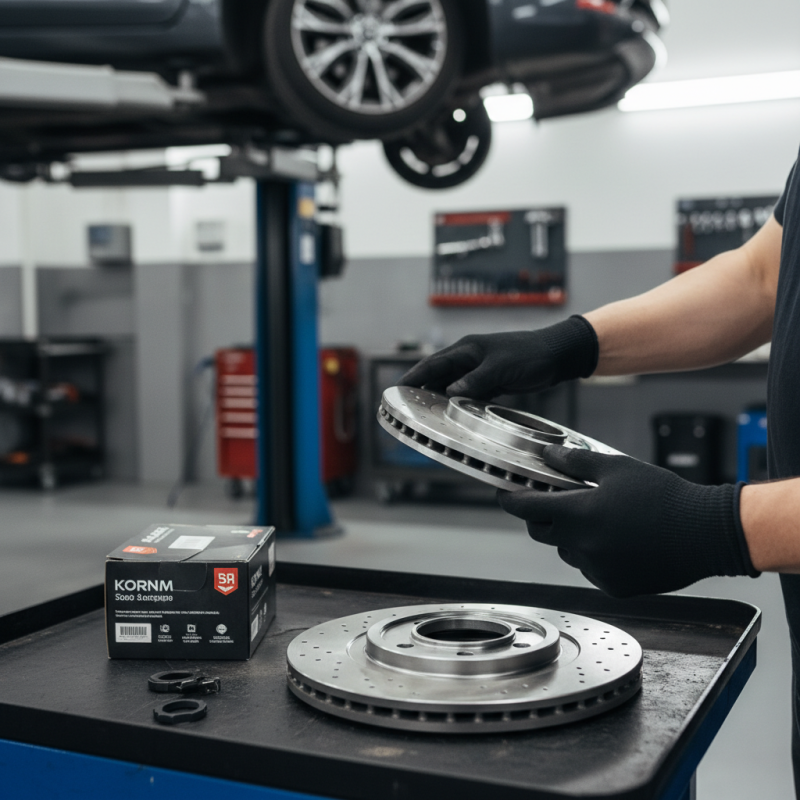
10 Tips for Finding Quality Parts for My Car

Understanding OEM vs. Aftermarket Parts: The Pros and Cons

When considering parts for your car, understanding the difference between OEM (Original Equipment Manufacturer) and aftermarket parts is essential. OEM parts are made by the vehicle manufacturer. They are designed to meet original safety and performance standards. According to a report by the Automotive Aftermarket Industry Association, nearly 40% of car owners prefer OEM parts for their reliability. However, these parts tend to be more expensive.

On the other hand, aftermarket parts can offer a cost-effective alternative. Many are produced by third-party manufacturers and may not match OEM quality. However, some aftermarket parts exceed OEM specifications. According to a study from the Automotive Research Institute, about 60% of aftermarket parts provide comparable performance. This presents a dilemma for car owners balancing budget and quality. Some aftermarket parts lack rigorous testing, leaving performance unpredictable. Price isn’t everything. Sometimes, non-OEM parts don’t fit or wear out faster, which can lead to costly repairs.

Choosing between the two requires careful consideration. Each option has potential risks. Understanding your vehicle's needs is crucial. Seek advice from trusted mechanics. Comprehensive research can help you avoid costly mistakes.

10 Tips for Finding Quality Parts for My Car - Understanding OEM vs. Aftermarket Parts: The Pros and Cons

Part Type Quality Warranty Price Range Availability
OEM High Quality Typically 1-3 years $$$ Limited to dealership
Aftermarket Variable Quality Varies widely $-$$$ Widely available

Researching Trusted Suppliers: Key Indicators of Quality Parts

When searching for quality car parts, researching trusted suppliers is essential. Start by checking customer reviews online. Real feedback helps you gauge the reliability of a supplier. Look for strong ratings and testimonials. This indicates a history of good service and quality.

Another key indicator is supplier certifications. Professional accreditation shows adherence to industry standards. It assures that parts meet specific safety and performance criteria. Also, explore suppliers with a clear return policy. A flexible return policy indicates confidence in their products.

Don't overlook the importance of customer service. Engage with suppliers directly. Ask questions about the parts and their sourcing. A knowledgeable representative will provide insights into their quality. This interaction is a good reflection of their overall service. Keep an eye out for any signs of unprofessionalism, as it often leads to problems later.

Quality Parts Research Indicators

The chart above represents key quality indicators when searching for quality car parts from trusted suppliers. The ratings are based on a scale from 1 to 6, with higher values indicating better quality. Customer ratings and supplier reputation stand out as crucial factors in ensuring the best parts for your vehicle.

Utilizing Online Resources and Reviews for Parts Verification

When searching for quality car parts, online resources play a crucial role. Many platforms offer user-generated reviews, which can provide valuable insights. A recent industry report revealed that over 70% of consumers rely on these reviews before making a purchase. This trend highlights the importance of sourcing information from multiple sites. Individuals can compare feedback and identify patterns in quality and reliability.

Additionally, engaging with online communities can yield significant insights. Forums and social media groups often share real-world experiences. This direct feedback can be more trustworthy than general marketing claims. According to a study, about 65% of users find peer reviews more reliable than brand advertisements. It’s essential to read both positive and negative comments for a balanced view. Some users might exaggerate their experiences, while others might understate issues.

Lastly, verifying the credibility of reviewers is key. Genuine reviews often come from verified purchasers. Checking the reviewer's profile for additional contributions can help gauge authenticity. Empty ratings without context may mislead potential buyers. Using online tools and databases to cross-reference parts can also enhance decision-making. Turning to expert reviews can offer additional layers of assurance while navigating this complex marketplace.

Assessing Warranty and Return Policies for Replacement Parts

When looking for replacement parts, understanding warranty and return policies is crucial. A reliable warranty can save you money and stress. Many sellers offer warranties, but not all are equal. Check how long the warranty lasts. A year is standard, but some quality parts come with extended coverage. This indicates confidence in the product's durability.

Return policies are equally important. Ask about the timeframe for returns. Some places allow returns within 30 days, while others may extend this to 60 days or more. Make sure you know if the part can be returned if it’s incompatible. Unused parts should generally be returnable, but specific conditions may apply. Don’t hesitate to reach out for clarifications. A good seller will willingly provide this information.

Keep in mind that not all products meet expectations. Some may fail, despite a warranty. Reflect on your experiences with similar purchases. Did you read the fine print? Many overlook these details. This can lead to frustrations later. It’s wise to research and stay informed about policies to avoid surprises down the road. Quality parts should come with solid support.

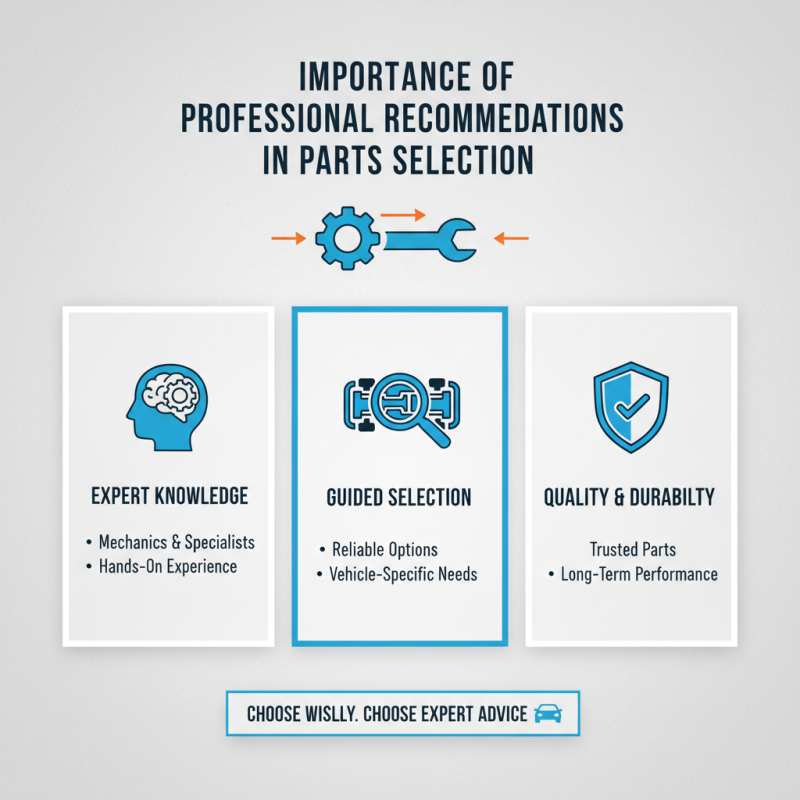
Importance of Professional Recommendations in Parts Selection

10 Tips for Finding Quality Parts for My Car

When it comes to selecting car parts, professional recommendations carry significant weight. Mechanics and automotive specialists possess hands-on experience. Their insights can guide you towards reliable options. For instance, a skilled mechanic can suggest parts that fit your vehicle’s specific needs. This expertise often reflects quality and durability.

Relying solely on online reviews can be misleading. A five-star rating may not reveal crucial details about compatibility. Professionals can provide firsthand knowledge about what works best for your model. They understand the nuances of different parts. Additionally, their recommendations often stem from repeated successes. You might think you found a good deal online, but these insights can save you time and money.

Consulting a trusted mechanic before making a purchase is wise. They can offer valuable advice, which can prevent costly mistakes. If you notice a mechanic hesitating when discussing certain brands, take it as a red flag. There’s always a chance that your choice might not perform well. Having professionals review your options can significantly enhance your decision-making process.

Start typing and press Enter to search