Quality auto tires play a vital role in vehicle safety and performance. Renowned tire expert, John Smith, emphasizes, "Tires are the only contact point between your vehicle and the road." This simple truth underlines the significance of choosing the right tires.
Auto tires affect handling, braking, and overall ride quality. Worn or cheap tires can compromise safety. Many drivers underestimate the role of tire maintenance. Regular inspections and proper inflation are crucial. Neglecting these can lead to poor traction and increased stopping distances.
Investing in quality auto tires might seem costly. However, the long-term safety benefits are undeniable. Drivers often report improved stability and control with premium tires. This enhances confidence on the road. Reflecting on tire choices is crucial for both safety and performance.
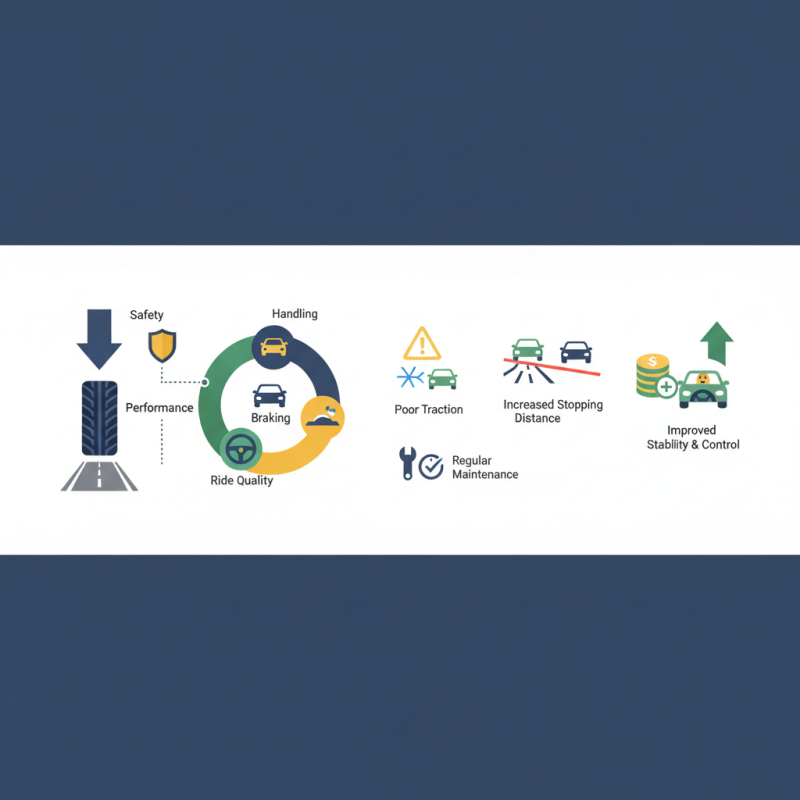
Quality tires play a crucial role in vehicle safety. Studies show that approximately 30% of road accidents are linked to tire issues. Worn or improperly inflated tires can drastically reduce a vehicle's grip on the road. According to the National Highway Traffic Safety Administration, tires that are under-inflated by just 25% can reduce the performance and efficiency of the vehicle. This emphasizes the need for regular tire maintenance.
Proper tire tread depth is equally important. The U.S. Department of Transportation advises maintaining a tread depth of at least 2/32 of an inch. Tires with insufficient tread can lead to dangerous aquaplaning during wet conditions. Data from the Tire Industry Association indicates that properly maintained tires can improve a vehicle's braking distance by up to 20%. Even a slight enhancement in tire quality can make a significant difference in emergency situations.
Furthermore, tire age matters. Many people overlook tire expiration dates, placing themselves at risk. Tires older than six years may experience deterioration, even if they appear intact. Regular inspections and replacing tires as needed can enhance safety significantly. The connection between tire quality and vehicle safety cannot be overstated. It’s vital to stay informed and attentive to tire condition to ensure a safe driving experience.
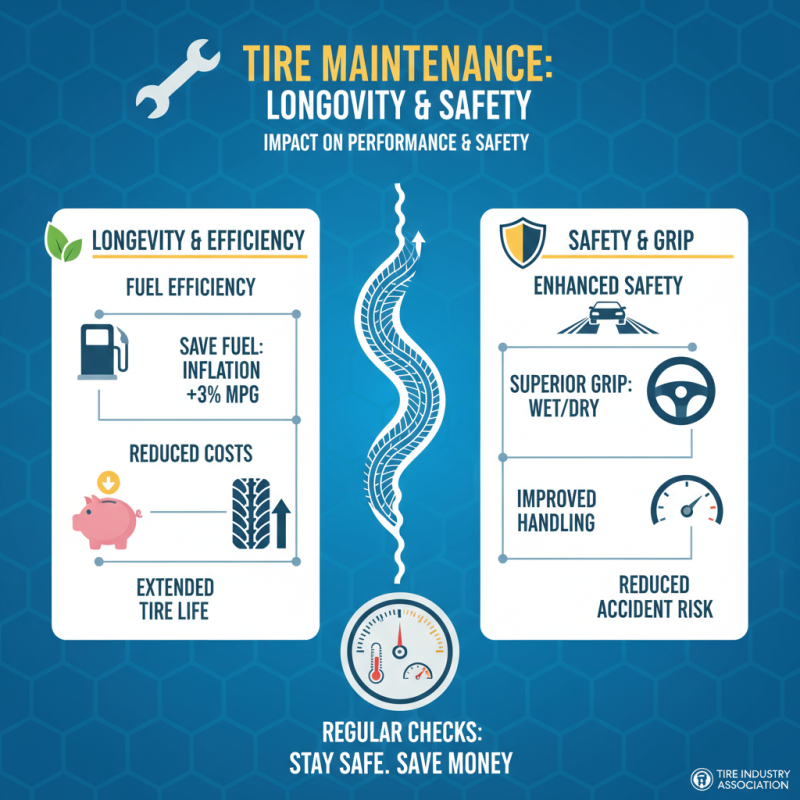
Tire quality significantly impacts vehicle performance metrics, including handling, fuel efficiency, and braking distance. When tires are worn or of low quality, vehicles can struggle to maintain stability. This can lead to longer stopping distances, which is crucial in emergencies. Quality tires provide better traction, enhancing grip on wet or slippery roads.
One common oversight is neglecting regular tire checks. Ensure that you monitor tire pressure frequently. Under-inflated tires can result in poor fuel economy and increased wear. Additionally, check tread depth. Insufficient tread can impair performance during rain and snow.
Driving habits also affect tire performance. Aggressive acceleration or braking can wear tires unevenly. Consider adopting smoother driving techniques to extend tire life. Regular rotation and alignment can help maintain balanced wear across all tires. This attention to tire quality ultimately ensures safer and more efficient driving experiences.
Tire maintenance is critical for vehicle safety and performance. According to the Tire Industry Association, underinflated tires can reduce fuel efficiency by up to 3%. This waste translates into more frequent fill-ups and increased costs. Properly maintained tires enhance grip on the road, which is especially vital during wet conditions. It’s essential to check tire pressure regularly, as changes in temperature can lead to underinflation or overinflation.
Regular tire rotations can extend the longevity of your tires. The National Highway Traffic Safety Administration (NHTSA) reports that uneven tire wear compromises handling, increasing the risk of blowouts. Make it a habit to rotate your tires every 5,000 to 7,500 miles. This simple practice creates a balanced tire life and promotes even tread wear. Aim to inspect tread depth, too; a tread depth of less than 2/32 of an inch can severely impact traction and braking.
**Tip:** Use the penny test: place a penny into the tire tread with Lincoln’s head facing down. If you see all of Lincoln’s head, it's time for new tires.
Another aspect often overlooked is tire alignment. Misaligned tires can lead to faster wear and reduced fuel efficiency. It might seem minor, but proper alignment can save you money in the long run. Remember, maintaining your tires isn’t just about longevity; it’s about your safety on the road.
Tires play a crucial role in vehicle safety and performance, particularly in varying weather conditions. Different tire types are specifically designed to perform best in particular climates. For instance, all-season tires are a popular choice for moderate climates, providing decent traction in both wet and dry conditions. However, they may fall short in extreme temperatures or heavy snow, leading to safety risks.
On the other hand, winter tires have deeper treads and softer rubber compounds. These features allow them to grip icy roads effectively. The contrast is evident when snow piles up. A driver equipped with winter tires will experience better control compared to those using all-season tires. Wet weather adds another layer of complication. Tires with appropriate tread patterns can prevent hydroplaning and maintain traction when roads are slick.
Yet, many overlook the importance of regularly checking tire pressure and tread depth. Under-inflation or worn tread can drastically affect performance. This oversight can lead to dangerous situations, especially in adverse weather. A proactive approach is essential for anyone who values both safety and performance on the road. Small checks can make a significant difference in ensuring your tires meet the demands of changing weather conditions.
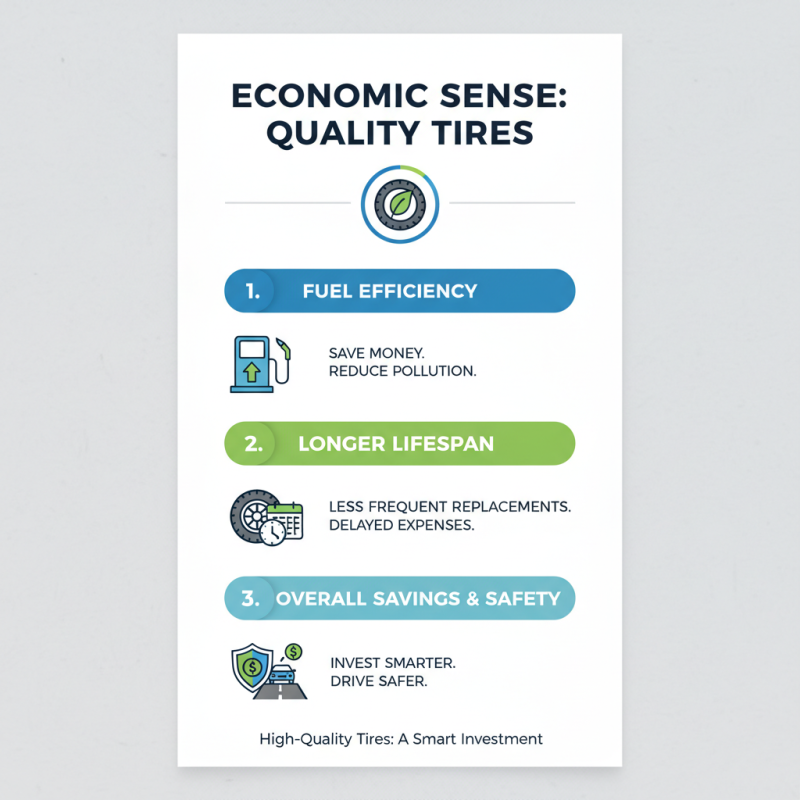
Investing in high-quality tires is not just about safety; it also makes economic sense. Poor tires can lead to increased fuel consumption. This not only raises costs but also contributes to environmental pollution. Quality tires can enhance fuel efficiency, saving money in the long run. It's important to recognize that cheap tires often wear out faster. This forces drivers to replace them more frequently, ultimately driving up expenses.
Moreover, quality tires can significantly affect vehicle longevity. The right tires improve handling and traction, reducing wear on other car components. This means fewer repairs and longer-lasting parts. Drivers may overlook how the investment in tires translates to overall vehicle performance. When accidents occur due to poor tire quality, costs can multiply rapidly. Insurance premiums may rise, and medical expenses may add up.
Sometimes, the temptation is to save money at the point of purchase. Yet, this can lead to higher long-term costs. Drivers should weigh the potential savings against possible risks. Making informed choices about tire quality reflects a commitment to both safety and economic prudence.
Logel’s Auto Parts
116 Bridge St East
Kitchener, Ontario
N2K 1J6
Phone: 519-745-4751
Toll Free: 1-800-818-9118
Hours 8:00-5:00 Monday to Friday
At Logel’s Auto Parts, we serve a range of communities in Southern Ontario, including:
Sign up today for the latest updates from the Logel’s Auto Parts team, including pricing for scrap vehicles, our newest product lines, current operating hours, and much more.