
Blog
What Are Junk Parts and How Can Global Buyers Source Them?
Junk parts are not simply unwanted components piled beside a dismantler’s workshop. They may include used engines, alternators, body panels, transmissions, and recovered electronic modules. Their value depends on condition, traceability, compatibility, and local demand. The term itself is imprecise. A part considered junk in Germany may remain useful in Kenya, Mexico, or Southeast Asia. That difference creates opportunity, but it also creates risk.
Michael E. Wilson, a respected automotive recycling executive, describes the sector this way: “Automotive recycling is the original circular economy.” His observation explains why global buyers study junk parts carefully. Reusing a tested alternator can reduce waste, manufacturing demand, and repair costs. However, buyers should not confuse low prices with good value. A cracked housing, missing connector, or incorrect engine code can erase the expected savings.
Reliable sourcing begins with an experienced supplier and clear documentation. Buyers should request photographs, serial numbers, VIN compatibility, inspection results, and an honest condition grade. They should also verify ownership records and avoid components with unclear origins. Export paperwork, customs classifications, environmental rules, warranty terms, and destination-country safety standards require attention. Regulations vary widely.
Details matter.
A practical inspection may include measuring compression, checking fluid contamination, and testing electrical connections. Still, even experienced buyers make mistakes. Condition grades can be subjective, and photographs may hide corrosion behind clean paint. That is why a small trial shipment often works better than a large first order. Global sourcing of junk parts requires patience, technical judgment, and a willingness to question attractive offers. Reliability is built through evidence, not promises.
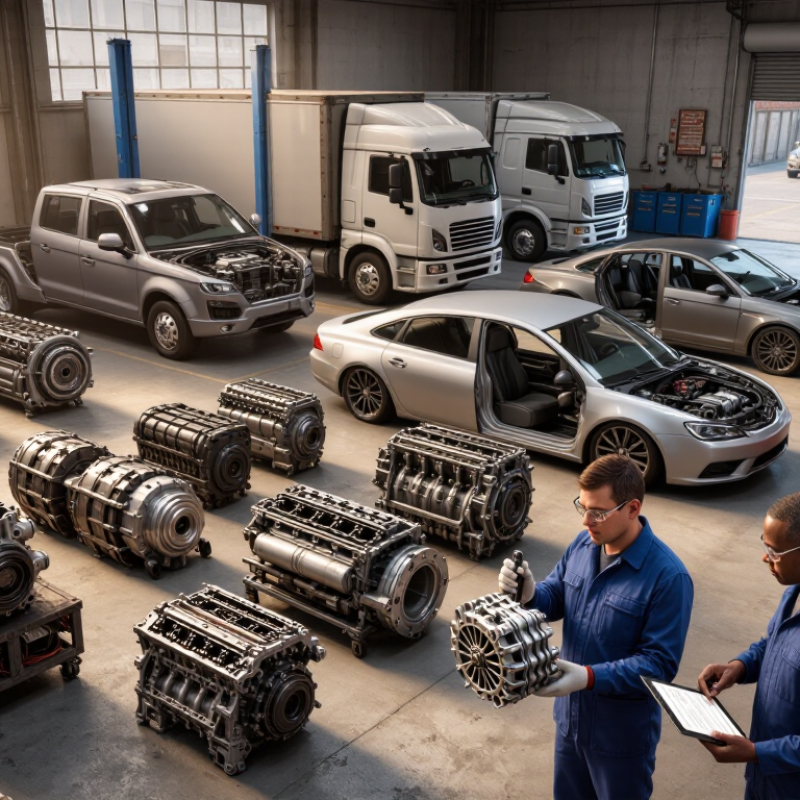
Table of Contents
[Hide]
What Are Junk Parts? Definition and Core Characteristics
What Are Junk Parts? Definition and Core Characteristics
Junk parts are used, removed, surplus, or damaged components with possible recovery value. They may come from end-of-life vehicles, dismantled equipment, workshop returns, or excess inventory. The term is commercial, not a universal technical category. The boundary is blurry. Some parts remain fully functional, while others need testing, repair, or material recovery. Typical characteristics include uncertain history, cosmetic wear, incomplete packaging, limited documentation, and variable compatibility. A scratched housing may be harmless; an unknown electrical fault may not be.
UNEP’s Global Resources Outlook 2024 reports that global material extraction has tripled over the past five decades. Reusing suitable components can reduce demand for new materials, but only when quality is verified. The Global E-waste Monitor 2024 recorded 62 million tonnes of electronic waste in 2022, with only 22.3% formally collected and recycled. This highlights the value of controlled component recovery. It also exposes a sourcing weakness: “available” does not always mean “usable.”
Global buyers should request exact part numbers, dimensions, production dates, clear photographs, and functional test records. They should separate reusable, repaired, reconditioned, and scrap grades in purchase documents. Traceability matters. Packaging should protect connectors, seals, and machined surfaces during long-distance transport. Independent inspection is useful for high-value orders, although inspection itself can miss intermittent faults. Buyers should allow a realistic rejection process. Documentation matters. A low price can hide testing costs, compatibility problems, and higher failure rates.
What Are Junk Parts and How Can Global Buyers Source Them? – What Are Junk Parts? Definition and Core Characteristics
| Junk Part Category | Definition and Typical Examples | Core Material or Composition | Common Condition | Useful Identification Method | Key Buyer Inspection Points | Typical Sourcing Route |
|---|---|---|---|---|---|---|
| Ferrous mechanical parts | Discarded or surplus steel and iron components such as brackets, housings, gears, shafts and frames. | Carbon steel, alloy steel, cast iron or wrought iron. | Used, worn, rusted, deformed or removed from equipment; some pieces may remain reusable. | A magnet normally attracts iron and most steel parts; visual inspection can indicate rust and coating. | Check cracks, excessive wear, corrosion depth, straightness, dimensions and whether oil or other residues are present. | Industrial dismantlers, machinery liquidation channels, metal recyclers and audited salvage yards. |
| Non-ferrous metal parts | Non-iron components including copper conductors, aluminum housings, brass fittings and zinc die-cast pieces. | Copper, aluminum, brass, bronze, zinc or mixed non-ferrous alloys. | Often sold as sorted scrap, removed parts, offcuts or reusable surplus components. | Use magnet testing together with weight, color, surface appearance and, for larger lots, alloy analysis. | Confirm alloy grade, mixed-metal content, insulation, plating, contamination and net weight after deductions. | Specialized metal recyclers, demolition recovery channels, electrical dismantlers and industrial surplus auctions. |
| Electrical and electronic parts | Retired motors, switches, circuit boards, connectors, cables, power supplies and control modules. | Metals, plastics, glass, ceramics and electronic components; composition varies widely. | Working, untested, defective, incomplete or dismantled; “untested” does not mean functional. | Part numbers, photographs, continuity tests and sample functional tests can support identification. | Check completeness, corrosion, water damage, battery presence, data-storage risk and hazardous-substance restrictions. | Certified e-waste processors, equipment decommissioning projects and verified industrial surplus sellers. |
| Automotive and machinery salvage parts | Removed engines, pumps, alternators, transmissions, valves, suspension pieces and other serviceable components. | Steel, cast iron, aluminum, copper, rubber, plastics and lubricants. | Used, rebuilt, incomplete, damaged or sold for parts recovery rather than direct installation. | Serial or casting marks, dimensional comparison, photographs and test reports help establish identity. | Verify compatibility, operating history, leakage, seizure, missing components and inspection documentation. | Vehicle dismantlers, equipment liquidation, repair networks and industrial recovery contractors. |
| Plastic and rubber parts | Discarded housings, seals, hoses, rollers, covers, guards and molded production rejects. | Thermoplastics, thermosets, elastomers or blended materials. | Aged, brittle, cut, contaminated, sorted by polymer or mixed with other materials. | Look for material markings, flexibility, density, color and documented polymer information. | Check ultraviolet damage, chemical exposure, odor, embedded metal, moisture and polymer separation. | Plastic processors, maintenance contractors, factory scrap programs and material recovery facilities. |
| Mixed or unsorted junk parts | Lots containing several part types or materials that have not been separated, tested or graded. | A combination of metals, plastics, rubber, glass, wiring and residues. | Usually sold by total weight; quality and recovery yield can vary substantially between loads. | Request representative lot photographs, a packing list, sampling records and composition estimates. | Assess sorting cost, contamination, moisture, hazardous items, usable percentage and disposal obligations. | Licensed recyclers, factory clearances, demolition projects and documented liquidation sales. |
| Reusable surplus parts | Unused, excess or previously installed components that may still meet a defined technical requirement. | Material depends on the application; packaging and storage history are important. | New surplus, opened packaging, used-tested, refurbished or untested. | Compare drawings, dimensions, tolerances, identification marks and test certificates with the buyer’s specification. | Confirm function, remaining service life, storage damage, quantity accuracy, traceability and return terms. | Authorized liquidation channels, industrial stock clearances, maintenance inventories and vetted B2B marketplaces. |
Global buyer note: Before purchase, confirm the product description, condition grade, quantity, net weight, packaging, contamination level, export eligibility and destination-country import rules. Used parts, scrap materials and electronic waste may be regulated differently, and hazardous items should only be handled through properly licensed channels.
Related Posts
-
2026 How to Source Scrap Parts Worldwide?
-
Unlocking Opportunities in the Junk Car Parts Industry at the 138th China Import and Export Fair in 2025
-
Exploring the Future of Junk Car Parts at the 2025 China Import and Export Fair
-
2025 Guide: How to Efficiently Source Scrap Car Parts for Maximum Profit
-
Why Buy Parts Car for Your Next Vehicle Project?
-
Top 10 Junkyard Auto Parts at China Import Export Fair 2026?