How to Choose Car Wiper Blades in 2026?
Choosing Car Wiper Blades in 2026 is not simply a matter of picking the most expensive pair. Clear vision depends on blade design, rubber quality, windshield condition, and local weather. A quiet blade can still perform poorly in heavy rain. A budget blade may work well for several months, then leave cloudy arcs across the glass.
John Ibbotson, Consumer Reports’ chief mechanic, has said, “Wiper blades are a safety item.” That simple observation deserves attention. Wipers directly affect how quickly a driver sees a cyclist, lane marking, or sudden obstacle. Modern vehicles may need beam blades, hybrid blades, or specific adapter systems. Checking the owner’s manual remains essential, especially for rear wipers and vehicles with rain sensors.
This guide examines how to choose Car Wiper Blades for changing conditions in 2026. It considers fit, wiping pressure, rubber durability, noise, installation, and value over time. Look closely at the wiped area. Does water gather near the driver’s eye line? Do the blades chatter during light rain? Those details matter more than bright packaging.
Small mistakes happen.
Even experienced drivers sometimes replace blades too late. I have also seen new blades installed over dusty glass, creating immediate streaks. That result is disappointing, but useful. Good maintenance includes cleaning the windshield, inspecting the blade edge, and replacing damaged parts promptly. Product claims should be questioned, not accepted automatically. The best choice is the blade that fits correctly, maintains contact across the glass, and remains dependable in real driving conditions.
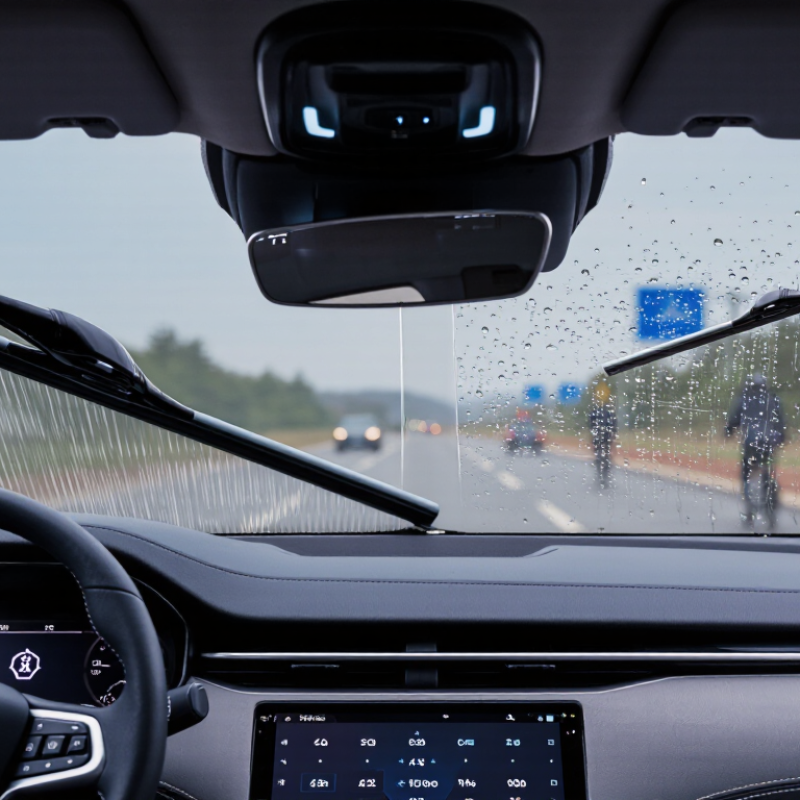
Understanding Wiper Blade Types and Their Differences
How to Choose Car Wiper Blades in 2026?
Understanding Wiper Blade Types and Their Differences
Wiper blades are not interchangeable, even when their lengths look similar. Conventional blades use a metal frame with several pressure points. They are affordable and work well on older windshields. However, exposed joints can collect ice, mud, and road grit. The rubber edge may then skip across the glass.
Beam blades have a continuous curved spine. This design presses more evenly against modern, rounded windshields. They usually perform better in heavy rain, snow, and freezing conditions. Their low-profile shape also creates less wind lift at highway speeds. Hybrid blades combine a framed structure with a covered outer shell. They can offer steady contact without looking bulky.
I once replaced a worn framed blade with a beam style and noticed fewer dry streaks immediately. Still, fit mattered more than the style.
Rear wipers often use shorter, specialized blades. Do not assume a front blade will fit the rear arm. Check the vehicle manual, connector type, and exact length before buying. A blade that is only slightly too long may touch the neighboring blade or windshield trim.
Silicone and natural rubber compounds also behave differently, but material claims deserve careful testing. In my experience, a clean windshield improves wiping more than expensive packaging does. That lesson is easy to overlook.
Inspect the edge for cracks, test for chatter, and replace any blade that leaves narrow water trails across your view.
Matching Blade Materials to Weather and Driving Conditions
How to Choose Car Wiper Blades in 2026? Matching Blade Materials to Weather and Driving Conditions
Wiper materials affect how clearly you can see through rain, sleet, and road spray. Standard rubber blades are a practical choice for mild climates and everyday driving. They usually wipe quietly when the glass is clean and the blade fits correctly. In strong sunlight, however, heat and ultraviolet exposure can make rubber wear or crack sooner. A useful baseline.
In places with frequent temperature swings, look for blades designed to stay flexible in both cold and warm conditions. Silicone blades often resist weathering well and may leave a water-repellent film as they move across the glass. That can help during steady rain, but it does not replace working headlights or careful driving. Some drivers also notice streaking if the windshield is dirty or the blade is poorly aligned. Not always a material problem.
For snow, freezing rain, or dusty roads, consider how the blade is built as well as what it is made from. A covered or beam-style design can reduce snow buildup around joints, while a sturdy frame may suit more moderate conditions. Clear grit from the windshield before switching on the wipers; trapped particles can scratch glass and wear the wiping edge. Check the vehicle manual for the correct length and attachment. I still find material choice easy to overrate: fit, clean glass, and regular inspection matter just as much.
Comparing Installation Methods, Features, and Product Quality
How to Choose Car Wiper Blades in 2026?
Comparing Installation Methods, Features, and Product Quality
A good wiper blade should match your vehicle’s arm, windshield shape, and driving conditions. Check the owner’s manual before ordering. It remains the most reliable reference.
Traditional blades use exposed metal frames and often fit older arm designs.
Beam blades use a flexible spine, which presses evenly across curved glass.
Hybrid blades combine both approaches, but their adapters can feel confusing.
Installation should not require force. Raise the arm, release the old blade, and check the locking tab carefully. A secure click matters. If the connector wobbles, stop and inspect the adapter. I once ignored a loose clip, and the blade lifted during heavy rain. That was my mistake.
Features deserve practical testing, not attractive packaging. A water-repellent coating may improve visibility, but it cannot fix damaged glass. Look for UV-resistant rubber, a stable frame, and clear size markings. Quiet movement is useful, especially during night driving. Still, silence alone does not prove quality.
Run the blade across a wet windshield before regular use. Watch for streaks, missed arcs, chatter, or uneven pressure. Small defects become obvious under streetlights. Do not judge durability after one dry week. Rubber ages from heat, sunlight, washer fluid, and road dust. Product quality also depends on storage and installation accuracy. A premium construction can perform poorly when fitted incorrectly. I would also recheck the connector after several rainy trips, because “installed” does not always mean “secure.”
Inspecting, Replacing, and Maintaining Wiper Blades in 2026
How to Choose Car Wiper Blades in 2026?
Inspecting, Replacing, and Maintaining Wiper Blades in 2026
Clear visibility starts with inspection, not just a calendar reminder. Look for split rubber, curled edges, hard spots, or streaks that remain after washing the windshield. Check the arm, too: uneven pressure can leave a dry crescent near the glass edge. The Federal Highway Administration estimates about 1.2 million weather-related crashes occur annually in the United States; 73% happen on wet pavement. Wipers cannot prevent every hazard, but clean contact helps preserve your view. Small details matter.
Replace blades when rubber is cracked, chatter persists, or an unwiped band crosses your sightline. Match the vehicle’s specified length and attachment, and check both sides; driver and passenger blades may differ. A rear blade may use another fitting. Lift each arm gently, since it can snap back against the glass. Test them wet. Use washer fluid, not a dry windshield. A blade can look fine and still streak, so appearance alone is an imperfect test. Check your vehicle manual for fit and cold-weather guidance.
Tip: Wipe the rubber edge with a damp cloth during car washes. Clear grit from beneath the blade, and avoid pulling frozen rubber across the glass. Inspect monthly and after harsh weather. Replace blades when visibility suffers.