Finding the right parts for my car can often feel overwhelming. The vast options online can lead to confusion. Many car owners struggle with this challenge. According to John Miller, an automotive expert with over 15 years in the industry, "Choosing the right parts for my car requires patience and knowledge." His insight highlights the importance of understanding your vehicle's needs.
When searching for parts for my car, it's essential to approach the process with a clear strategy. Start by identifying the specific components you require. Use your vehicle's make and model for accurate searches. Engaging with reputable online retailers can simplify this task. However, some options may seem enticing but could lead to poor choices. Not all sellers guarantee quality.
Trusting the right sources is crucial. Look for reviews and ratings from other buyers. While it’s easy to get lost in an extensive catalog, a discerning eye can find valuable information. A misstep in selecting parts for my car can lead to unnecessary expenses and frustration. Taking the time to do adequate research can prevent common pitfalls and ensure a smoother experience.

Understanding your car's specifications is crucial when searching for the best parts online. Car specifications include make, model, year, and engine type. These details help you identify compatible replacement parts. A report from the Automotive Aftermarket Industry Association highlights that 40% of consumers purchase incorrect parts due to a lack of knowledge about their vehicles. This leads to wasted time and resources.
When searching online, refer to your owner’s manual. This manual contains vital information about part numbers and specifications. Additionally, online databases can provide specific dimensions and compatibility information. Keep in mind that even slight variations can lead to fitting issues. Always double-check the specifications before making a purchase.
Tip: Use online forums and communities to gather insights from experienced car enthusiasts. A second opinion can help you avoid mistakes. Keep an eye on return policies as well. Parts may not always fit as expected. Sometimes, even reputable sellers make mistakes. Be prepared to return parts that do not meet your needs. This research can save you money and frustration in the long run.
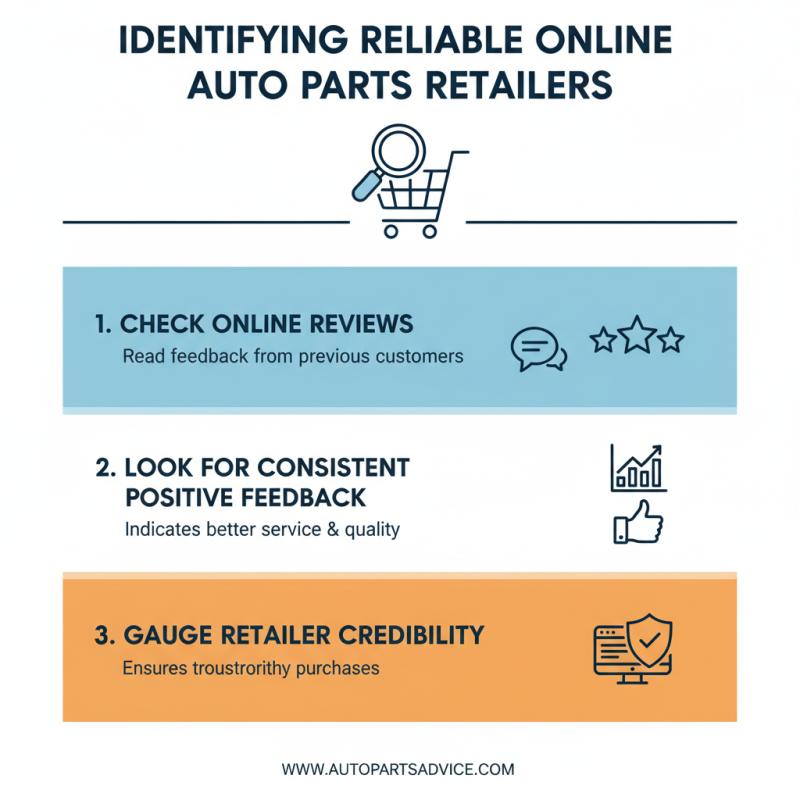
When searching for car parts online, identifying reliable retailers is crucial. Start by checking online reviews. Look for feedback from previous customers. This helps gauge the retailer's credibility. A site with consistently positive reviews usually indicates better service and quality.
Consider websites that clearly display contact information. A reputable retailer often provides a phone number or live chat support. This transparency shows their commitment to customer service. Sites that share detailed product descriptions and professional images can also indicate reliability. Authentic images empower you to understand what you're buying.
Explore forums or community groups for recommendations. Car enthusiasts often share experiences with various retailers. But be cautious; some opinions can be biased. Look for recurring names in multiple forums instead of just one. This pattern often highlights trustworthy options. Research a retailer's return policy too. A flexible return option reflects confidence in their products. Always take time to reflect on your choices before pressing ‘buy’.
When searching for car parts online, comparing prices and quality is crucial. A recent industry report shows that consumers can save an average of 30% by shopping online instead of at local retailers. However, lower prices do not always guarantee quality. Research indicates that up to 25% of low-cost parts may not meet safety standards.
To make an informed decision, utilize comparison websites. These platforms allow you to see various prices from multiple suppliers. Look for customer reviews as well. High ratings often indicate reliable performance. Real-world experiences matter, as they can highlight potential issues that technical specifications may overlook.
Tip: Always verify the return policy before purchasing. Some sellers might have restrictive policies that make returns challenging. Additionally, don't hesitate to reach out to customer service for clarification on warranty details. Engaging with the seller can reveal their commitment to customer satisfaction.
While online shopping offers convenience, it has its pitfalls. Beware of deals that seem too good to be true. Often, these are lower-quality parts aimed at maximizing profit. Balancing price and quality requires diligence, but the right approach can lead to satisfying results.
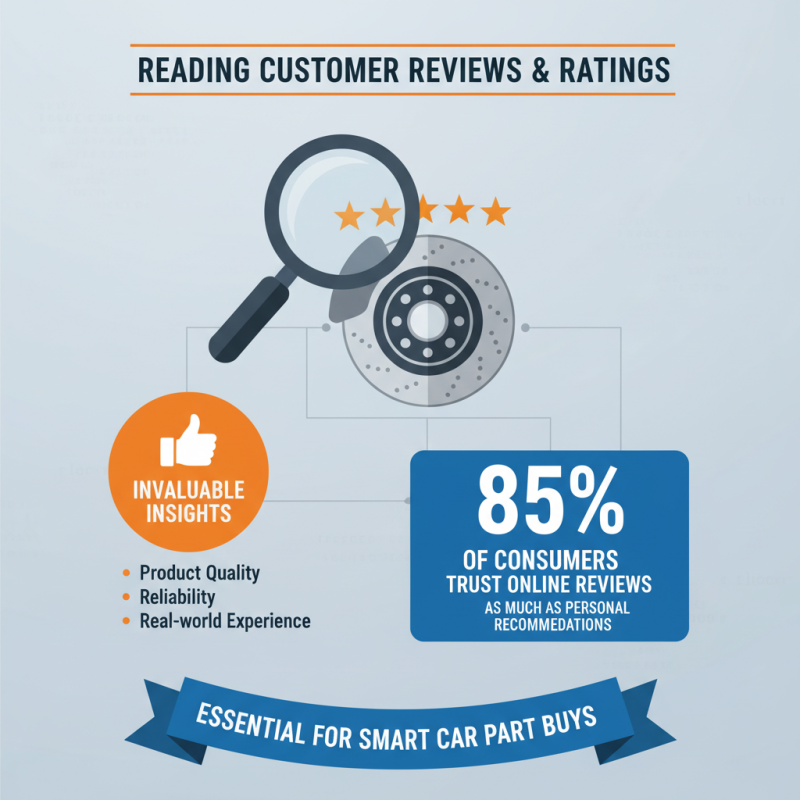
When searching for car parts online, customer reviews and ratings are invaluable. They provide insights into the quality and reliability of products. According to a recent industry report, about 85% of consumers trust online reviews as much as personal recommendations. This trend shows how essential it is to consider feedback from other buyers.
Reading reviews can reveal hidden issues. For instance, some parts may look good but perform poorly in real-world conditions. About 30% of reviewed products receive low ratings due to misleading descriptions. Paying attention to ratings helps you avoid such pitfalls. Look for patterns in reviews. If multiple customers mention a similar problem, it’s a red flag.
Engaging in discussions on forums can enhance understanding. Experts often share their experiences, which can guide your choices. A survey found that users who actively seek expert opinions reported higher satisfaction levels. Overall, leveraging customer feedback can lead you to better decisions when buying car parts.
When searching for car parts online, ensuring compatibility with your vehicle is crucial. A recent industry report revealed that over 25% of online orders are returned due to mismatched parts. This highlights the importance of verifying specifications before purchasing. Detailed product descriptions can guide you in selecting the right components, but they are not always foolproof.
Vehicle identification numbers (VIN) serve as a reliable tool for compatibility checks. By decoding your VIN, you can obtain comprehensive information about your car’s specifications. According to industry experts, using VINs reduces errors by up to 40%. It’s also wise to cross-reference part numbers from trusted sources or databases before making a decision.
User reviews can give insight into the reliability of specific parts. However, it’s essential to remain critical. Not all reviews are trustworthy; some may be biased or manipulated. Additionally, forums and community groups can provide practical experiences from car enthusiasts. Engaging with these platforms can broaden your understanding but also introduce conflicting opinions requiring careful consideration. Always combine multiple sources to make an informed choice.
Logel’s Auto Parts
116 Bridge St East
Kitchener, Ontario
N2K 1J6
Phone: 519-745-4751
Toll Free: 1-800-818-9118
Hours 8:00-5:00 Monday to Friday
At Logel’s Auto Parts, we serve a range of communities in Southern Ontario, including:
Sign up today for the latest updates from the Logel’s Auto Parts team, including pricing for scrap vehicles, our newest product lines, current operating hours, and much more.