
Electric Vehicles (EVs) are transforming the way we think about transportation. With an increasing focus on sustainability, many individuals seek cleaner alternatives to traditional cars. EVs are powered by electricity, reducing greenhouse gas emissions and dependency on fossil fuels. This shift signifies a new era of driving, one that emphasizes efficiency and environmental responsibility.
Considering an Electric Vehicle can bring multiple benefits. They often feature advanced technology, enhancing the overall driving experience. Many enjoy quieter rides and lower maintenance costs compared to gasoline vehicles. However, not all EVs are perfect; charging infrastructure can sometimes be lacking in rural areas. Additionally, battery life remains a concern for some potential buyers.
Evaluating these factors is crucial for anyone contemplating the switch to an Electric Vehicle. Understanding both its advantages and limitations can help make an informed decision. Embracing this technology isn't just about a personal choice; it contributes to a larger movement toward sustainable living.
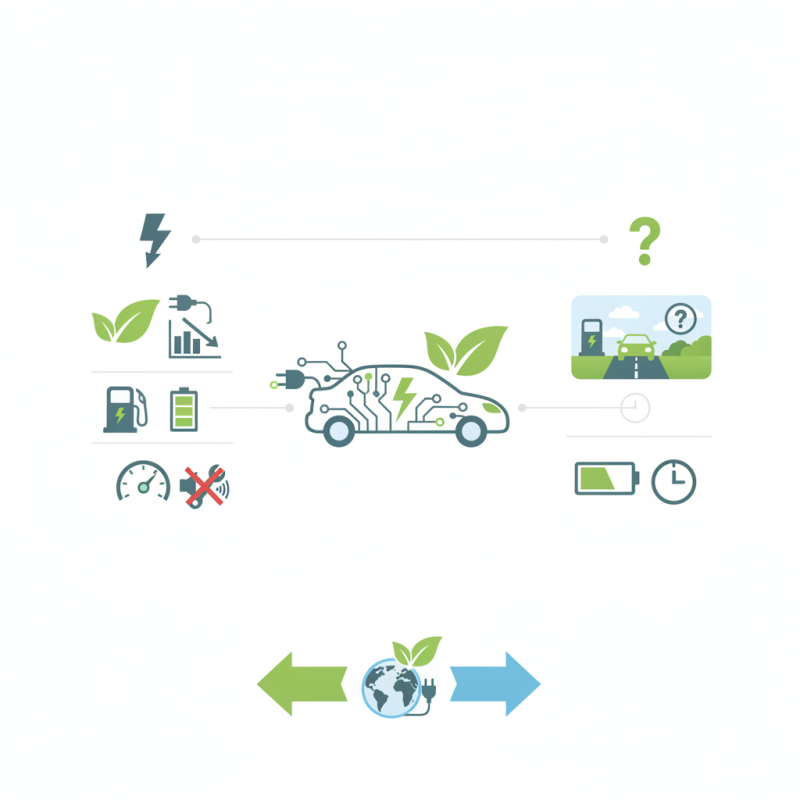
Electric vehicles (EVs) are gaining traction for a reason. They are defined by their reliance on electric motors, powered by rechargeable batteries. The absence of a traditional internal combustion engine is a key feature that promotes energy efficiency. Many EVs can travel significant distances on a single charge, allowing for convenient daily use.
The technology behind EVs includes regenerative braking. This feature captures energy usually lost during braking and feeds it back into the battery. Batteries in modern EVs are designed for longevity and safety. Advanced thermal management keeps them within optimal temperatures. However, charging infrastructure can still feel lacking in some regions, making long trips less tempting.
Range anxiety remains a concern for many potential EV owners. It's a valid consideration. Despite improvements, availability of charging stations varies widely. Understanding the total cost of ownership is essential. While upfront costs can be higher, savings on fuel and maintenance can offset this over time. Adjusting to an EV lifestyle does require a shift in mindset, which some may find challenging.
| Feature | Description |
|---|---|
| Power Source | Electric vehicles (EVs) use electricity stored in batteries, rather than gasoline or diesel. |
| Charging Options | EVs can be charged at home using a standard outlet or a dedicated charging station; they can also use public charging stations. |
| Environmental Impact | EVs produce no tailpipe emissions, contributing to reduced air pollution and greenhouse gas emissions. |
| Running Costs | Generally, electric vehicles have lower operating costs than internal combustion engine vehicles due to lower fuel and maintenance costs. |
| Performance | EVs often offer instant torque, resulting in quick acceleration and a smooth driving experience. |
| Technology Features | Many EVs are equipped with advanced technology features, including regenerative braking, smart climate control, and connectivity options. |

The electric vehicle (EV) market has seen significant growth in recent years. Statistics show that global EV adoption rates are on the rise. In 2022, around 10% of new car sales were electric, marking a notable shift in consumer preferences. Countries around the world are investing heavily in EV infrastructure. Charging stations are becoming more common in urban areas, paving the way for easier accessibility.
Yet, challenges remain. Battery production and raw material sourcing raise environmental concerns. The process can have a significant carbon footprint, questioning the true sustainability of EVs. Additionally, while more people consider EVs for their lower operating costs, they are often deterred by initial purchase prices. Education on benefits is crucial. Many first-time buyers still have misconceptions about charging times and battery life.
As technology improves, the picture is changing. Advances in battery technology promise longer ranges and reduced charging times. Consumer awareness grows each year, with more resources available. This trend indicates a lasting change in how people view transportation. EVs may soon be a mainstream choice, but there is still room for thought and improvement.
Electric vehicles (EVs) are changing the landscape of transportation. They produce zero tailpipe emissions, which directly contributes to cleaner air. According to a 2022 report from the International Energy Agency (IEA), switching to electric vehicles could reduce greenhouse gas emissions by up to 70% by 2050. This significant drop makes EVs an essential step toward combating climate change.
EVs rely on renewable energy sources, making their overall footprint cleaner. In fact, a study published in Nature Climate Change indicated that even when powered by coal-generated electricity, EVs still result in 30% lower emissions than traditional gasoline vehicles. However, the environmental impact of battery production remains a concern. The mining of lithium and cobalt can lead to habitat loss and increased carbon emissions.
Tips: Look for EV models that focus on sustainability in their battery design. Consider local energy sources too—if your region uses renewable energy, your EV’s emissions footprint shrinks even more. Research models that promote longer battery life and recyclable materials, benefiting both the planet and your wallet. EVs hold great potential for reducing emissions, but constant industry improvement and consumer awareness remain crucial.
This chart illustrates the CO2 emissions per kilometer for gasoline cars, diesel cars, and electric vehicles (EVs). As shown, electric vehicles contribute to significantly reduced emissions compared to traditional gasoline and diesel vehicles, making them a more environmentally friendly option.
When considering an electric vehicle (EV), the cost analysis is crucial. Initially, EVs often have a higher purchase price compared to gas-powered cars. Many people see this as a barrier to entry. However, the long-term savings can be significant. For example, electricity is generally cheaper than gasoline. Over time, these savings can offset the initial costs.
Maintenance is another critical factor. EVs usually have fewer moving parts. This results in lower maintenance costs. Tire and brake replacements can be less frequent. However, there are challenges too. Battery replacement can be expensive, potentially reaching thousands of dollars. It's essential to factor this into the overall cost analysis.
Let's not forget about incentives. Many regions offer tax credits or rebates for EV purchases. This can substantially reduce the upfront investment. However, these incentives can change or expire unexpectedly. Therefore, it's beneficial to stay informed. Balancing initial costs against potential long-term savings is vital for informed decision-making.
The future of electric vehicle (EV) technology is exciting. Innovations will improve battery life and charging speeds. Research is focusing on solid-state batteries. These batteries could offer longer ranges and shorter charging times. Additionally, wireless charging technologies are emerging. Imagine parking your car and charging it without any plugs.
Infrastructural development is also crucial. More charging stations are being built in urban areas and along highways. This expansion will ease range anxiety for EV users. Cities are redesigning spaces to include charging points. Future infrastructure will likely integrate renewable energy sources.
Tips: Consider local charging infrastructure before buying an EV. Check for nearby stations. Evaluate your driving habits. If you travel long distances often, an EV may need careful planning. It’s all about understanding your needs. Embrace both the excitement and challenges of going electric. Adaptations will be necessary as technology advances.
Logel’s Auto Parts
116 Bridge St East
Kitchener, Ontario
N2K 1J6
Phone: 519-745-4751
Toll Free: 1-800-818-9118
Hours 8:00-5:00 Monday to Friday
At Logel’s Auto Parts, we serve a range of communities in Southern Ontario, including:
Sign up today for the latest updates from the Logel’s Auto Parts team, including pricing for scrap vehicles, our newest product lines, current operating hours, and much more.