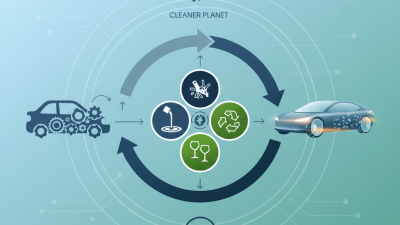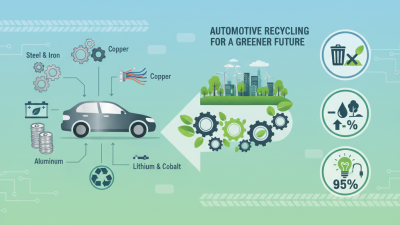
Auto recycling has become a crucial practice for communities aiming to promote sustainability. According to Jane Smith, an auto recycling expert, “Implementing effective auto recycling can significantly reduce waste and conserve resources.” Her insight highlights the importance of integrating these practices into local systems.
Many communities still struggle with proper auto recycling. The lack of awareness and resources can impede progress. Public education is often limited, leaving residents unaware of how to recycle vehicles effectively. Without clear guidelines, many cars end up in landfills, wasting valuable materials.
In addition, various barriers exist in the auto recycling process. Local regulations may not support best practices. As communities begin to embrace auto recycling, they must reassess existing policies. Challenges will arise, but a collective effort can lead to more effective solutions. Engaging residents and local businesses can foster a culture of sustainability. By addressing these issues, communities can better support auto recycling initiatives.

Auto recycling plays a vital role in creating sustainable communities. It helps reduce landfill waste and conserves natural resources. By recycling vehicles, we can recapture valuable materials. This practice minimizes the need for new raw materials. It's a win-win for the planet and local economies.
Many people overlook the importance of responsible auto recycling. One common mistake is neglecting to learn about local recycling options. Often, residents are unaware of nearby recycling centers. This can lead to wasted potential. Understanding where to recycle can boost community participation.
Tips for effective recycling:
- Research local programs. Connect with community groups promoting recycling.
- Host workshops to educate residents on the benefits.
- Encourage neighbors to share resources and strategies.
A collective effort can amplify impact.
Making small changes can lead to significant benefits. However, it’s essential to reflect on our habits. Are we truly recycling properly? 단지 throwing away old items doesn’t mean we are recycling. Engaging in ongoing conversations about auto recycling is crucial for long-term success.
Assessing auto recycling options in your community can be a game-changer. Local programs often vary widely in effectiveness. Start by investigating what options exist nearby. Is there a recycling facility? Are there events for hazardous waste collection? Understanding local offerings is crucial.
Tips for engaging with local programs include connecting with city officials or community leaders. They can provide insights on initiatives in your area. Don’t hesitate to attend local meetings. Community input helps tailor programs that truly meet needs. Collaborate with friends or neighbors, discussing how to mobilize and support these initiatives together.
Creating partnerships adds value. Think about teaming up with environmental groups or schools. Organizing workshops can raise awareness about auto recycling benefits. Community events could gather participation while highlighting importance. However, reflect on challenges too. Some may hesitate to participate due to misconceptions about recycling processes. Addressing these fears is necessary for progress.
Implementing effective collection systems for end-of-life vehicles is crucial for promoting auto recycling in your community. Start by assessing local needs. Understand how many old vehicles are on the streets. Engage with community members. Hosting informational sessions can raise awareness. Allow residents to voice their concerns about vehicle disposal.
Tips: Introduce a convenient drop-off center for old cars. Ensure it is accessible and well-advertised. Offer incentives to encourage residents to recycle. This could be cash for parts or even discounts on services. Promote your efforts through newsletters or social media.
Reflect on current practices. Identify weaknesses in collection points. Are they easy to find? Are they frequently overcrowded? Gathering feedback from users can uncover areas for improvement. Collaboration with local organizations can enhance your reach. Working together can magnify your impact, ensuring safer disposal for everyone.
Auto recycling is not just an environmentally friendly choice; it's also a vital community responsibility. According to the Automotive Recyclers Association, recycling a single vehicle can save over 2,000 pounds of materials from being wasted. This includes metals, plastics, and fluids. Community members should understand that recycling helps conserve resources and reduces pollution from landfills. Yet, many still remain unaware of how to participate effectively.
Local workshops can be an excellent way to spread awareness. Engaging presentations can inform residents about the recycling process and its benefits. Moreover, including data from the Environmental Protection Agency shows that one ton of recycled steel can save 2,500 pounds of iron ore. These numbers can have a powerful impact. However, some community members may not know where to find reliable recycling centers or what items are recyclable. This gap in knowledge highlights the need for ongoing education.
It's also essential to consider accessibility. Information should be available in multiple languages and formats. Many people may struggle to engage with existing resources. Outreach efforts should include diverse methods, such as social media campaigns or neighborhood flyers. Community participation is key, yet it requires effort to ensure everyone is on board. The challenge lies in making this information resonate with every individual.
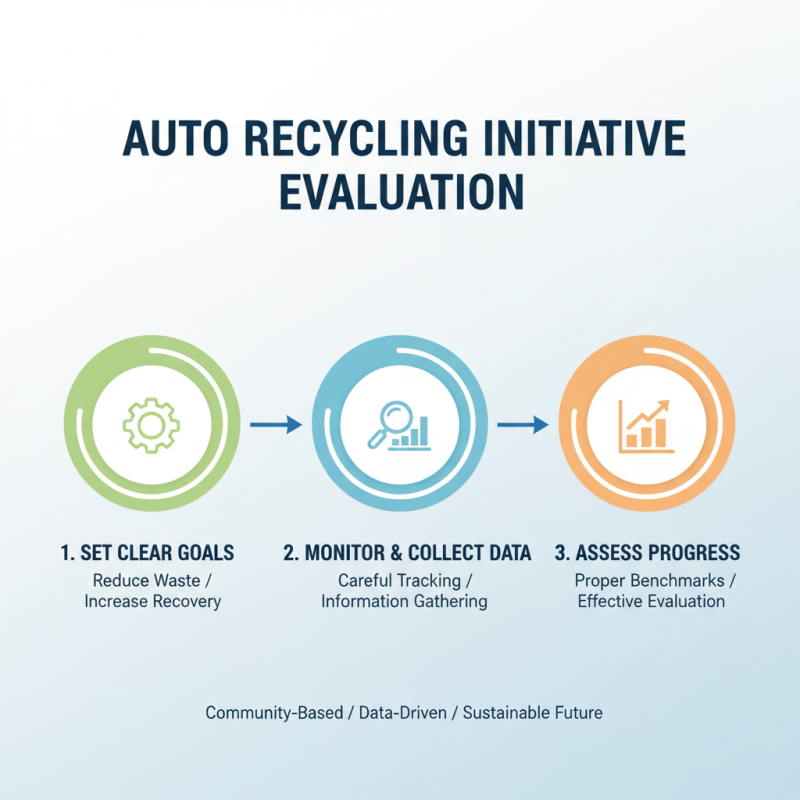
Evaluating the impact of auto recycling initiatives involves careful monitoring and data collection. Communities can start by setting clear goals for their recycling programs. What do they aim to achieve? This could be reducing waste or increasing recovery rates. Proper benchmarks help to assess progress effectively.
Engagement from local residents is crucial. Surveys can be used to understand public sentiment. Are residents participating actively in recycling efforts? Feedback should guide improvements. Track metrics such as the amount of material collected and how many cars are recycled each month. These figures offer insight into the program's effectiveness.
It’s not unusual to face challenges. Some might ignore recycling guidelines or fail to report accurately. Tracking issues like contamination in recycling bins can highlight areas needing reform. Communities must remain adaptable. Regular assessment ensures that auto recycling programs evolve to meet changing needs and realities.
Logel’s Auto Parts
116 Bridge St East
Kitchener, Ontario
N2K 1J6
Phone: 519-745-4751
Toll Free: 1-800-818-9118
Hours 8:00-5:00 Monday to Friday
At Logel’s Auto Parts, we serve a range of communities in Southern Ontario, including:
Sign up today for the latest updates from the Logel’s Auto Parts team, including pricing for scrap vehicles, our newest product lines, current operating hours, and much more.