
Diffractive Film is an innovative material that shapes how industries operate. Its unique properties allow for the manipulation of light in impressive ways. This film can create vivid colors and intricate patterns through diffraction. More than just aesthetic appeal, it has real-world applications across various fields.
In the electronics and packaging industries, Diffractive Film enhances product visibility and communication. It aids in creating eye-catching displays that attract consumers. Furthermore, its role in enhancing security features on credit cards and identification documents cannot be overlooked. The technology can deter counterfeiting by adding a layer of complexity.
While the benefits of Diffractive Film are clear, challenges remain. Not every application may yield the expected results, especially if the film is not correctly integrated. Companies must consider their unique needs and use cases. Thorough testing and careful implementation are vital for success. This requires both patience and expertise. The journey to harnessing the full potential of Diffractive Film can be rewarding yet complex.
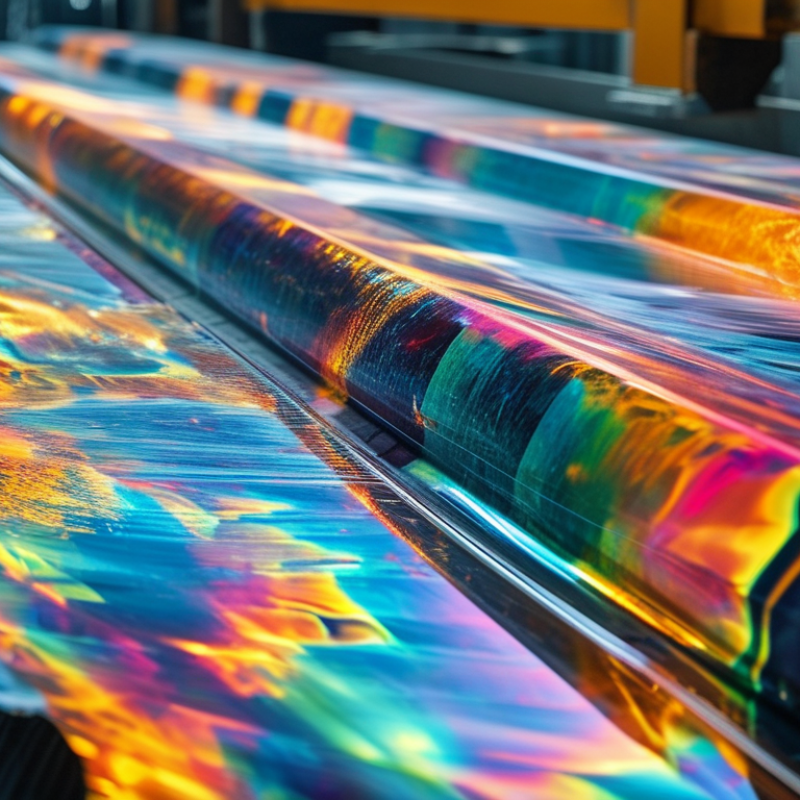
Diffractive film is a fascinating technology that manipulates light through microscopic patterns. These patterns create visual effects, such as prisms and holograms. Understanding how this film works is essential for various industries, including consumer electronics and automotive applications.
In the world of optics, diffractive film serves several functions. It enhances display devices by improving brightness and contrast. This makes screens in smartphones and televisions more vibrant. The film can also be found in safety applications, where it transforms normal surfaces into warning signs or indicators. While technology has made significant strides, challenges remain in manufacturing consistency and film durability.
Adopting diffractive technology requires careful consideration. The production process must balance quality and cost. Innovators often experiment with different materials to achieve desired effects. As industries evolve, the demand for efficient and effective diffractive films will only grow. Exploring this technology offers exciting possibilities, yet it presents ongoing questions about optimization and sustainability.

Diffractive films are fascinating optical elements that manipulate light through diffraction, a fundamental behavior of waves. These films consist of microstructured surfaces that bend light into specific patterns. The design often involves intricate patterns that determine how light interacts with the film. When light waves encounter these structures, they create unique visual effects. This principle has widespread industrial applications, including displays, lighting, and security features.
In industry, diffractive films serve various purposes. For instance, they are used in holographic displays, creating three-dimensional images that can enhance user experience. In lighting, these films can transform a direct light source into an even, diffused glow, making it visually appealing and functional. However, some challenges persist in achieving consistency in production. Variations in the fabrication process can lead to differences in optical performance.
Understanding the precise mechanics behind these films is crucial for their success. While they offer numerous benefits, engineers and designers must carefully consider the effects of light manipulation. The interplay of angles, wavelengths, and surface structures can complicatedly impact the desired outcome. Continuous refinement and innovation are essential in advancing this technology further.
Diffractive films have gained popularity in various sectors, especially in optics. These films manipulate light through diffraction, enabling unique visual effects and enhanced performance in lenses and displays. According to a recent report by Smithers, the global market for diffractive optics is expected to grow at a compound annual growth rate (CAGR) of 8.5% from 2021 to 2026. This growth reflects the increasing demand for advanced imaging technologies.
In the optical industry, diffractive films play a crucial role in the design of lenses. They improve light transmission and reduce aberrations. This is particularly important in high-definition imaging applications, where clarity is paramount. For example, rising trends in augmented reality (AR) and virtual reality (VR) have led to the widespread use of diffractive films in headset displays. The precision of these films allows for sharper images with vibrant colors.
However, challenges remain. The manufacturing process can be complex and costly. Small defects in the film can lead to significant performance issues. Additionally, ensuring compatibility with various lighting conditions is not straightforward. As the industry evolves, ongoing research is necessary to overcome these hurdles. Balancing performance and cost-effectiveness will remain a key focus for manufacturers aiming to utilize diffractive films in innovative ways.
The diffractive film market is witnessing significant growth. This material manipulates light to create vivid colors and dynamic patterns in various applications. Industries such as advertising, automotive, and consumer electronics are increasingly adopting this technology. The demand for unique visual experiences drives innovation in diffractive film manufacturing.
Market analysts predict a compound annual growth rate (CAGR) of over 15% in the upcoming years. Emerging applications in augmented reality and holography are crucial factors in this expansion. Manufacturers are refining production techniques to enhance the efficiency and quality of diffractive films. However, challenges remain, such as ensuring durability and performance in diverse environments.
As companies strive to meet evolving consumer preferences, there is a noticeable push towards sustainability. Eco-friendly materials and recycling processes are becoming more critical. While progress is evident, the industry must continuously reflect on balancing innovation and environmental responsibility to sustain growth.
| Application | Market Size (2023) | CAGR (2024-2028) | Key Drivers |
|---|---|---|---|
| Consumer Electronics | $1.2 Billion | 9.5% | Rising demand for AR/VR devices |
| Automotive | $800 Million | 7.8% | Growing use of advanced lighting systems |
| Healthcare | $600 Million | 10.2% | Increased adoption of medical imaging technology |
| Lighting & Displays | $1 Billion | 8.7% | Shift towards energy-efficient lighting solutions |
| Packaging | $500 Million | 6.0% | Demand for enhanced security features |
The innovative use of diffractive films is shaping the future of various industries. These films manipulate light in unique ways, enabling applications in displays, sensors, and optical devices. As reported by recent market analysis, the diffractive optics market is expected to reach approximately $2 billion by 2027, growing at a CAGR of 8%. This signals robust development and increasing adoption of these technologies.
Current innovations focus on enhancing the efficiency and functionality of diffractive films. Researchers are experimenting with materials that improve durability and performance under various environmental conditions. Multi-functional films, which can filter, augment, or redirect light, are gaining traction. However, challenges remain in manufacturing processes. Indeed, the delicate nature of these films can lead to defects that impact performance. Solutions are necessary to address these manufacturing inconsistencies.
Future developments may involve integrating artificial intelligence and machine learning into design processes. This integration could optimize film performance based on real-time environmental data. Such advancements promise to push the boundaries of what is possible with diffractive films. However, achieving these goals will require collaboration across disciplines and industries. The path ahead is filled with potential but also uncertainty, emphasizing the need for continued research and innovation.
Logel’s Auto Parts
116 Bridge St East
Kitchener, Ontario
N2K 1J6
Phone: 519-745-4751
Toll Free: 1-800-818-9118
Hours 8:00-5:00 Monday to Friday
At Logel’s Auto Parts, we serve a range of communities in Southern Ontario, including:
Sign up today for the latest updates from the Logel’s Auto Parts team, including pricing for scrap vehicles, our newest product lines, current operating hours, and much more.