
Choosing the right Ev Charger Wall Plug for your home is crucial. The transition to electric vehicles (EVs) is gaining momentum, with the EV market expected to grow significantly. According to a report from BloombergNEF, global electric vehicle sales exceeded 6.6 million units in 2021, highlighting the increasing need for effective charging solutions.
Experts stress the importance of selecting the correct charger. John Doe, an EV infrastructure specialist, noted, "A well-chosen EV Charger Wall Plug can enhance home efficiency." This statement resonates, considering that charging speed and compatibility are vital factors to consider. Many consumers may feel overwhelmed by the options available.
The wrong choice can lead to inefficiencies and frustration. Some chargers may not suit your vehicle model or home electrical system. To avoid complications, research and understanding of your needs are essential. Ultimately, investing time in selecting the best EV Charger Wall Plug will yield long-term benefits for both your lifestyle and the environment.
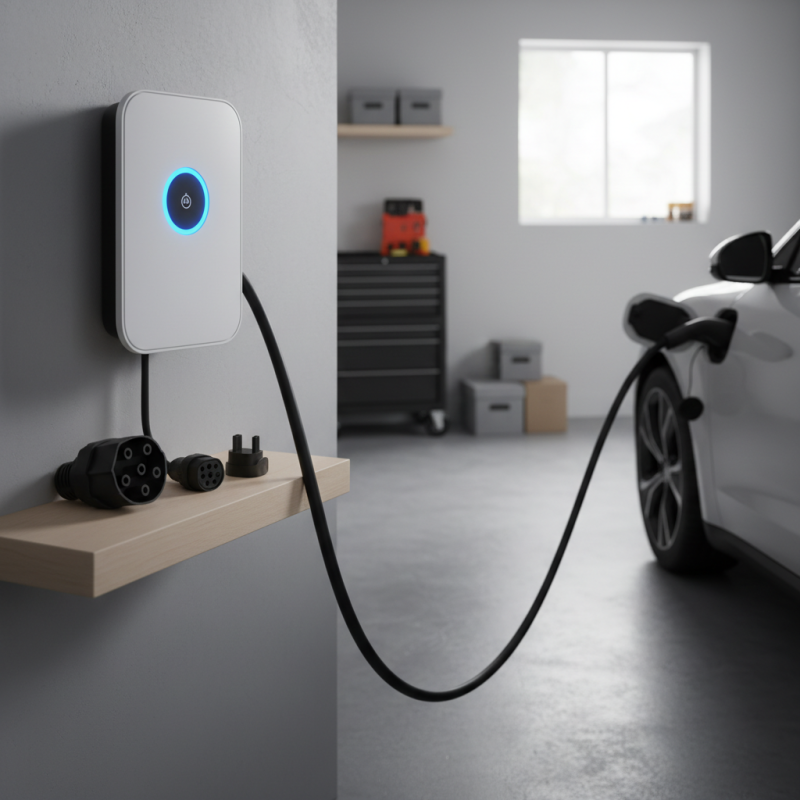
When choosing an EV charger, power levels matter. EV chargers come in Level 1, Level 2, and Level 3 options.
Level 1 chargers use a standard home outlet. They can take over 12 hours to charge a vehicle fully. Level 2 chargers are faster. They require a dedicated circuit and can charge cars in 4 to 8 hours. Level 3 chargers are for commercial use. They provide rapid charging but are not suitable for home installations.
Tips: Assess your driving habits. If you drive short distances, a Level 1 charger might suffice. For daily commutes, consider a Level 2 charger. Think about installation costs, as some electrical upgrades may be needed.
Choosing the right type also involves understanding connector types. Most electric vehicles use a standardized connector. However, some models might require adapters. Research your vehicle's specifications. This understanding helps prevent confusion later. Keep in mind that while a more powerful charger is appealing, it may not be necessary for everyone's needs. Always reflect on what works best for your situation and your car.

When choosing an EV charger, charging speed is crucial. Level 1, Level 2, and DC fast chargers offer distinct advantages. Level 1 chargers utilize standard household outlets. They deliver around 4-5 miles of range per hour, making them suitable for overnight charging. However, if you drive frequently, this can be slow.
Level 2 chargers are more efficient. They provide 20-25 miles of range per hour. For many, this is ideal. Installing a Level 2 charger can make a significant difference. Studies show that about 75% of EV owners find Level 2 chargers sufficient for daily charging needs.
DC fast chargers are the fastest option available. They can deliver up to 100 miles of range in just 30 minutes. They are typically found along highways for long trips. However, they require special equipment and are more expensive to install at home.
Tips: Consider your driving habits when choosing a charger. If you drive short distances daily, a Level 2 charger may suffice. For frequent long trips, investing in a DC fast charger could save time. Always evaluate your home’s electrical capacity before installation. This step is often overlooked but critical for safety.
When choosing the best EV charger wall plug for your home, assessing your electrical capacity is crucial. Amperage and voltage drive your charging speed. A standard home outlet typically provides 120 volts. This can be sufficient for overnight charging, but it may take longer to fully charge your EV. For faster charging, consider higher voltage options, such as 240 volts. Charging time directly correlates with the amperage rating.
Most home chargers range from 16 to 40 amps. A 32-amp charger can deliver approximately 7.7 kW per hour. This can charge a typical EV in four to six hours. However, ensure your home's electrical panel can handle the additional load. You may need to consult with an electrician to assess your system's capacity. Reports indicate that 30% of homes require electrical upgrades to support higher amperage chargers.
Tips: Check your main breaker. It should match the amperage of your chosen charger. Also, consider your daily commute. If you rarely drive long distances, a lower amperage may suffice. Don't overlook local regulations. Some areas have specific requirements for EV charger installations. Adjust accordingly to avoid compliance issues. Evaluating these factors thoroughly can avoid costly adjustments later.
This chart illustrates the relationship between amperage ratings and maximum voltage levels for different EV chargers. It's essential to assess your home's electrical capacity to determine the most suitable EV charger wall plug.
When selecting an EV charger for your home, smart technology is crucial. Research indicates that chargers with smart features can reduce charging costs by up to 30%. These chargers adjust electricity use based on grid demand and optimize charging times. Moreover, some devices let users monitor energy consumption through mobile apps. This provides insights into usage patterns and potential savings.
Connectivity options also play a significant role. A charger with Wi-Fi or Bluetooth functionality allows for remote operation and updates. According to a recent industry report, connected chargers tend to increase user satisfaction by 40%. They enable integration with home energy systems and smart meters. However, not all connections are reliable. It’s essential to choose a product that holds strong signals. Otherwise, it can lead to frustration.
Safety standards must never be overlooked. Look for products that meet national compliance regulations. In the U.S., charging stations must meet the UL safety standard. Many fires and accidents stem from poor-quality devices. Studies show that faulty chargers are responsible for 20% of all EV-related incidents. Investing in a charger with robust safety measures is non-negotiable. Failure to do so can have dire consequences.
| Feature | Description |
|---|---|
| Charging Speed | Level 1 (120V) or Level 2 (240V) can affect how quickly your EV charges. |
| Smart Technology | Features like mobile app control, scheduling, and energy monitoring. |
| Connectivity | Compatibility with Wi-Fi, Bluetooth, or Ethernet for remote access. |
| Safety Standards | Compliance with local and national safety regulations to ensure secure operation. |
| Installation Type | Wall-mounted or portable chargers based on user needs. |
| Weather Resistance | IP ratings indicating protection against dust and moisture for outdoor chargers. |
| Warranty and Support | Length of warranty and availability of customer support for troubleshooting. |
| Cost | Price range and consideration of installation expenses. |
When installing an EV charger at home, cost analysis is essential. The total cost of ownership includes the initial setup and ongoing electricity costs. Installation can vary widely based on your home's electrical capacity and charging speed. A standard installation may cost between a few hundred to several thousand dollars. Additional expenses may arise from electrical upgrades.
Before deciding, consider your usage patterns. Assess how often you charge your vehicle and at what speed. Higher charging speeds can lead to increased installation costs. However, they may save you time in the long run. Be mindful of the additional costs involved, such as maintenance and potential repairs.
Tips: Always compare installation quotes. Some companies may offer free estimates. Look for government incentives or rebates that can reduce your expenses. Calculate the projected electricity costs based on your local rates and your vehicle's consumption. Such awareness can help you make an informed decision. Carefully analyze whether a fast charger or a standard option better fits your lifestyle.
Logel’s Auto Parts
116 Bridge St East
Kitchener, Ontario
N2K 1J6
Phone: 519-745-4751
Toll Free: 1-800-818-9118
Hours 8:00-5:00 Monday to Friday
At Logel’s Auto Parts, we serve a range of communities in Southern Ontario, including:
Sign up today for the latest updates from the Logel’s Auto Parts team, including pricing for scrap vehicles, our newest product lines, current operating hours, and much more.