Why Choose Rail Transfer Cart for Your Business Needs?
In today's fast-paced industrial landscape, efficiency is key. The "Rail Transfer Cart" is a standout solution for various businesses. Expert John Smith, a renowned authority in industrial transport systems, emphasizes, "Rail Transfer Carts provide unmatched versatility in material handling." This equipment streamlines operations, reducing manual labor and minimizing risks associated with heavy loads.
Many industries are turning to Rail Transfer Carts. They offer practical benefits, such as increased safety and lower operational costs. However, not all businesses fully understand their potential. There's often hesitation about adopting new technologies. Several companies still rely on outdated methods, leading to inefficiencies. This reluctance can obstruct growth.
Choosing a Rail Transfer Cart is not merely a decision; it's a strategic move toward modernization. Companies must assess their unique needs and market demands. Investing time in exploring the advantages of Rail Transfer Carts can open pathways to innovation and productivity. Every decision today shapes the industry of tomorrow.
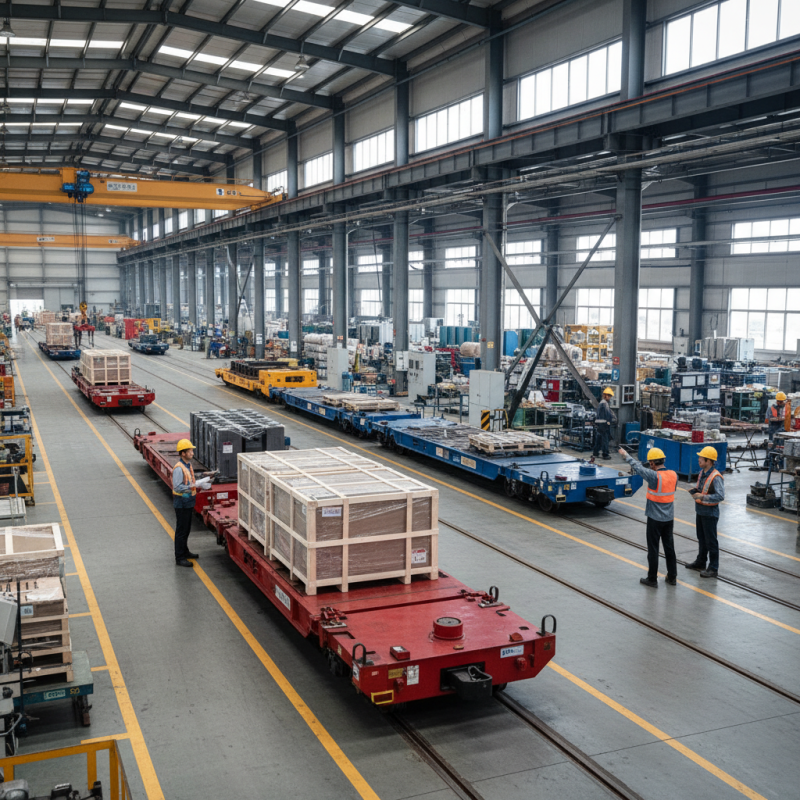
Advantages of Using Rail Transfer Carts for Material Handling
Rail transfer carts offer distinct advantages for material handling in various industries. According to a report by the Material Handling Industry of America, efficient material handling can reduce total operational costs by up to 25%. These carts minimize the need for manual labor, which can lead to reduced employee fatigue and injuries. With an ergonomic design, rail transfer carts allow workers to transport goods safely and effectively, enhancing overall workplace productivity.
Moreover, rail transfer carts optimize space within warehouses and manufacturing facilities. They are capable of handling heavy loads, often exceeding several tons. In fact, data from the Occupational Safety and Health Administration suggests that implementing mechanized transfer solutions can decrease workplace incidents by over 30%. However, companies must assess their specific needs. Heavy-duty carts might require substantial initial investment, but they often lead to significant long-term savings.
Adaptability is another consideration. Rail transfer carts can be customized for specific operational needs, allowing for flexible configurations. This is crucial as businesses evolve and demand changes. Nevertheless, regular maintenance is necessary to ensure optimal performance. Companies must commit to ongoing assessments to prevent costly downtimes. Successful implementation hinges on balancing efficiency with careful planning and resource allocation.
Key Features of Rail Transfer Carts Suitable for Businesses
Rail transfer carts are increasingly becoming popular in various industries for moving heavy loads. These carts are specifically designed to operate on tracks, which enhances their efficiency in transporting goods. One key feature of rail transfer carts is their robust construction. Made from high-quality materials, they can handle substantial weight without compromising safety. This durability offers businesses reliable performance over time.
Another notable feature is their versatility. Rail transfer carts can be customized to fit specific business needs. Businesses can choose different sizes, load capacities, and wheel designs based on their operational requirements. Moreover, these carts often include advanced safety features. Emergency stop buttons and warning lights are common, ensuring a safe working environment. However, users must remember the importance of regular maintenance and safety checks to prevent accidents. Without proper attention, even the best equipment can face issues.
Efficiency is further boosted by electric-powered models, which reduce manual labor. Battery-operated options allow for smooth operation across long distances. Despite these advantages, some challenges remain. For instance, limited rail access can restrict movement. It requires businesses to plan their infrastructure carefully. Overall, rail transfer carts present a compelling option, but awareness of potential limitations is crucial for maximizing their benefits.
Cost-Effectiveness of Rail Transfer Carts in Operations
Rail transfer carts have become vital in various industries. They offer efficient material handling solutions while keeping operational costs down. A cost-effective option, these carts reduce labor expenses and minimize the potential for accidents.
The upfront investment in rail transfer carts can lead to long-term savings. They require less maintenance than forklifts and other equipment. Their design enables easy transport of heavy loads across the layout of your facility. This reduces the time spent on manual handling, which is often slower and riskier.
Tips: Regular maintenance checks can prolong the life of your rail transfer carts. Train staff thoroughly to ensure they utilize these carts correctly. Consider layout specifics to maximize the efficiency of rail transfer routes.
Safety Considerations When Implementing Rail Transfer Carts
When considering the implementation of rail transfer carts, safety should always be a top priority. These carts can carry heavy loads, which increases the risk of accidents if not used properly. Operators must undergo training to understand operational protocols and safety measures. Proper training can significantly reduce risks and enhance efficiency in transport operations.
Regular maintenance is crucial. Carts should be inspected routinely to identify wear and tear. Check wheels, tracks, and electrical components to ensure everything works smoothly. Any malfunction can lead to accidents or delays. It’s necessary to establish a maintenance schedule based on usage. Keeping detailed records of all inspections and repairs adds an extra layer of reliability.
Creating a safety culture within the workplace is beneficial. Encourage employees to report unsafe conditions and practices. Users should also wear appropriate personal protective equipment (PPE) while operating or working near rail transfer carts. This promotes a safer environment for all. Constant vigilance and a proactive approach to safety can lead to a more efficient operation.
Safety Considerations of Rail Transfer Carts
The bar chart above illustrates various safety considerations for implementing rail transfer carts in business operations. Each category is rated on a scale from 1 to 10 to provide a clear visual representation of their importance in ensuring workplace safety.
Comparative Analysis: Rail Transfer Carts vs. Other Transport Solutions
Rail transfer carts offer distinct advantages over other transport solutions. Their specialized design allows for smooth movement along rail tracks, enhancing efficiency in manufacturing and logistics. Unlike wheeled carts, rail transfer carts minimize friction and wear. This results in lower maintenance costs and a longer service life. They can carry heavy loads with stability, which is crucial for bulky materials.
One challenge with rail transfer carts is the need for infrastructure investment. Rail tracks need to be installed, which could be costly for some businesses. Additionally, rail transfer carts are not as flexible as other transport options. They are limited to predefined routes. Businesses should consider their layout and workflow requirements before making a choice.
**Tips:**
Evaluate your facility layout. Determine how much flexibility you need. If your operations will frequently change, consider other options.
Regular maintenance can prolong the life of rail transfer carts. Always check the tracks and wheels for wear and tear.
Consider the load capacity you need. Ensure the transfer cart can handle your heaviest items safely.