
Choosing the best China Solar System 800v Mccb can seem daunting. With numerous options available, making an informed decision is crucial. This guide addresses essential factors to consider when selecting the ideal MCCB for your solar system.
The China Solar System 800V MCCB offers unique advantages for solar applications. Understanding your needs is key. Different projects require specific features. You may feel overwhelmed by technical specifications, but focusing on reliability and performance can simplify your choices. Look for certifications and manufacturer reputation to ensure quality.
Reflect on your project requirements and budget. Sometimes, the most expensive options are not the best fit. Evaluate your priorities carefully. This process is not just a purchase; it’s an investment in your energy future. Ultimately, selecting the right MCCB can lead to improved efficiency and system longevity.
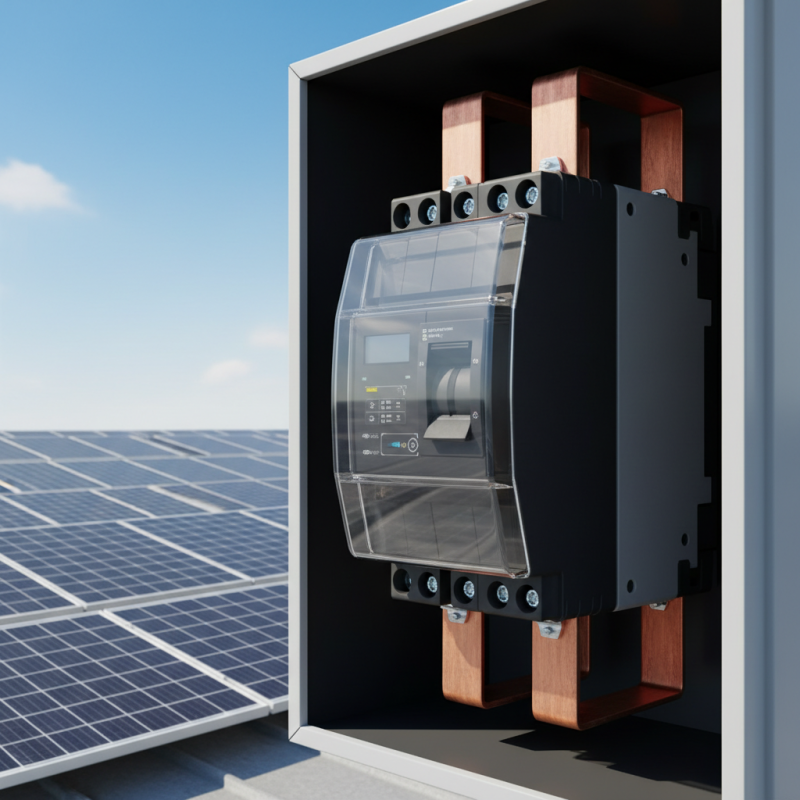
Choosing an 800V MCCB for solar systems requires careful consideration. One crucial factor is the current rating, which should match the solar system's maximum output. Reports indicate that mismatched ratings can lead to overheating and failure. It's essential to select a device capable of handling potential overloads and faults. Reliable data shows that 30% of MCCB failures result from improper sizing.
Another important aspect is the breaking capacity. An MCCB must withstand short-circuit conditions. Industry standards suggest a breaking capacity exceeding the calculated fault current. In many cases, fault currents can reach four to six times the system's normal operation. An inadequate capacity can compromise system safety and performance.
Lastly, consider the environmental conditions. MCCBs must be rated for temperature and humidity extremes. For example, a device placed in high humidity can suffer serious degradation over time. Ensuring appropriate IP ratings can further enhance reliability. Experts emphasize that improper selections based on superficial assessments often lead to costly replacements and downtime.

This chart illustrates the key performance factors of 800V Molded Case Circuit Breakers (MCCBs) used in solar energy systems. The data represents different factors in terms of their efficiency levels.
When it comes to solar systems, understanding the importance of MCCB ratings is crucial. MCCBs, or Molded Case Circuit Breakers, protect circuits from overload and short circuits. For solar applications, these ratings determine how much current your breaker can handle. Higher-rated MCCBs can manage greater electrical loads, but they also come at a higher cost. It’s essential to balance safety and affordability in your choice.
In solar installations, regional regulations and the environment also play vital roles. Depending on the location, the MCCB must withstand varying temperatures, humidity, and exposure to elements. Some areas require a specific rating or type. Ignoring these factors could lead to malfunction or system failure.
Many users overlook the importance of regular maintenance and inspection of MCCBs. Dust, moisture, and environmental factors can affect performance. If not addressed, small issues can escalate into significant problems. Always remember, the right MCCB ensures safety and efficiency for your solar system.
| Feature | Description |
|---|---|
| Rated Voltage | 800V, suitable for high voltage solar applications |
| Breaking Capacity | High breaking capacity to handle fault currents efficiently |
| IP Rating | IP67, offering protection against dust and water |
| Thermal Settings | Adjustable thermal settings for different applications |
| Testing Standards | Meets international standards for reliability and safety |
| Material | Made with high-quality, durable materials for longevity |
| Applications | Designed for solar energy systems and industrial applications |
When selecting a 800V MCCB for solar systems, brand reputation matters. Some brands may lack reliable testing protocols, impacting their performance overall. Not all manufacturers adhere to the same quality standards, which can lead to varying reliability. In this competitive market, it’s essential to focus on brands that provide guarantees and thorough product certification.
Performance is often determined by how well an MCCB handles surge currents and overload situations. Some MCCBs may trip unexpectedly under normal conditions, raising concerns about their reliability. Analyzing user reviews and feedback can reveal critical insights. Brands with a strong customer support system often show greater transparency regarding product issues, enhancing their reliability in the eyes of consumers.
Comparing technical specifications like withstand ratings and temperature tolerances can help in your decision-making process. It's worthwhile to consider the materials used in manufacturing. In some cases, cheaper components lead to premature failures. Each factor contributes to the overall effectiveness of your solar system, underscoring the importance of making an informed choice.
Selecting the right MCCB for a 800V solar system requires attention to standards and certifications. These elements ensure that the equipment meets safety and efficiency requirements. The IEC 60947-2 standard for low-voltage switchgear is one of the vital benchmarks. It specifies performance criteria, ensuring that devices operate reliably under various conditions.
Furthermore, certifications from reputable organizations enhance trust. A report from the International Electrotechnical Commission states that certified devices reduce failure rates by 30%. This statistic highlights the importance of choosing certified products. Make sure to look for compliance labels on potential MCCBs.
However, not all certifications carry the same weight. Some certifications may not reflect practical performance. It's crucial to research and understand the specific standards relevant to your region and application. This effort can prevent costly mistakes. Another report indicates that up to 15% of oversight in certification can lead to significant operational failures. Knowledge of these standards is crucial for informed decision-making in the solar market.
When considering an 800V MCCB for a solar system, understanding the cost factors is crucial. The initial investment can range from $150 to over $1,000, depending on features and performance ratings. According to industry reports, reliable MCCBs typically fall within the mid-range of this spectrum. However, selecting a lower-cost option might lead to higher long-term operational costs due to potential failures or inefficiencies.
Installation expenses should also be factored in. Hiring a qualified technician is vital but can add $200 to $500 to the total. While this may seem steep, poor installation can result in significant future repairs. Data from the National Renewable Energy Laboratory suggests that poorly installed components often lead to a 20% drop in efficiency.
Moreover, maintenance costs can accumulate over time. Regular inspections and timely replacements are necessary to ensure optimal performance. Some reports indicate that neglecting maintenance may lead to an increase in the overall system costs by up to 15% annually. Thus, investing in quality MCCBs upfront is often more cost-effective, despite the initial sticker shock. Balancing upfront costs against long-term performance is key to making an informed decision.
Logel’s Auto Parts
116 Bridge St East
Kitchener, Ontario
N2K 1J6
Phone: 519-745-4751
Toll Free: 1-800-818-9118
Hours 8:00-5:00 Monday to Friday
At Logel’s Auto Parts, we serve a range of communities in Southern Ontario, including:
Sign up today for the latest updates from the Logel’s Auto Parts team, including pricing for scrap vehicles, our newest product lines, current operating hours, and much more.