
Choosing the right 22kw Car Charger is essential for electric vehicle owners. With numerous options on the market, it can be overwhelming. Understanding your specific needs plays a vital role in your decision-making process. Factors such as charging speed, compatibility, and cost must be considered carefully.
Many users overlook the importance of installation. A 22kw Car Charger requires a suitable electrical supply. You might need a professional electrician for proper setup. It's not just about buying a charger; installation affects performance. Efficiency also depends on your vehicle’s battery capacity and charging architecture.
Research your options rigorously. Check user reviews and expert opinions. Some chargers may lack optimal results despite flashy features. Mistakes can lead to frustration and wasted money. Take time to reflect on your choices. A well-informed decision on a 22kw Car Charger will enhance your electric vehicle experience.
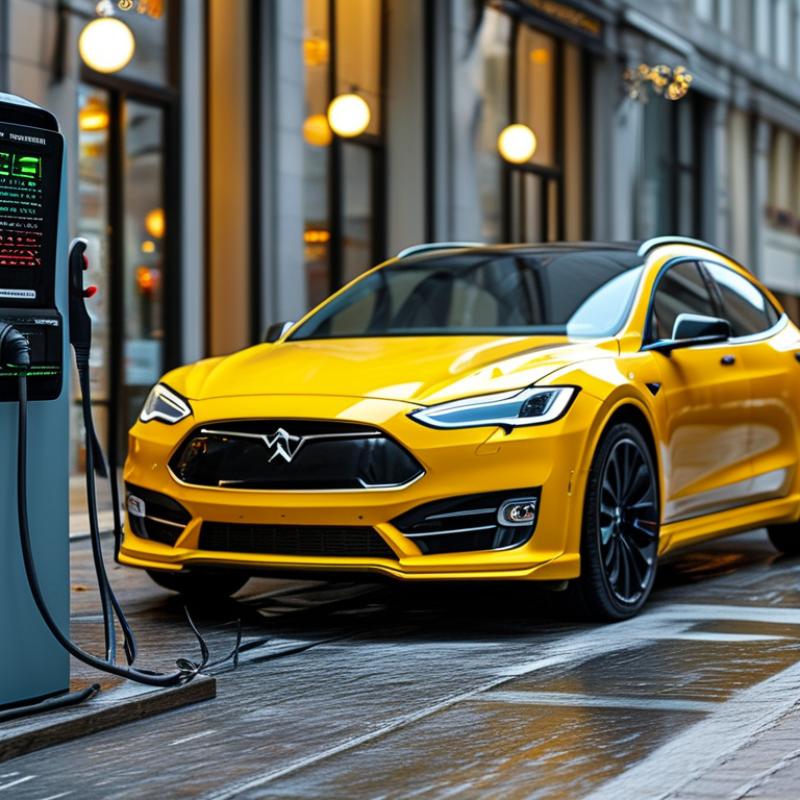
When selecting a 22kW car charger, understanding your usage type is essential. Residential charging needs can differ significantly from commercial requirements. According to industry reports, about 80% of electric vehicle (EV) owners charge at home. This statistic emphasizes the importance of investing in a reliable home charger. A well-suited charger ensures your vehicle is always ready for the next journey.
In contrast, commercial usage has unique demands. Businesses often require faster charging solutions to minimize downtime. Research shows that fast charging can increase utilization rates by up to 40%. This growth highlights the need for high-capacity chargers in commercial environments. However, businesses must also consider the initial installation costs and long-term maintenance.
It's crucial to reflect on your specific needs. Will you charge frequently or occasionally? Will your charging location have adequate electrical infrastructure? Wrong assumptions can lead to improper selection, causing inconvenience and inefficiencies. Assessing your charging behavior is vital in making an informed choice. Evaluate your options by considering power capacity, installation requirements, and compatibility with your EV.

When selecting the best 22kW car charger, it’s crucial to consider several key features. One important aspect is charging speed. A 22kW charger can fully charge an electric vehicle (EV) in approximately 2 to 4 hours, depending on battery capacity. Industry reports indicate that fast charging significantly increases EV adoption, with a potential growth of 25% annually by 2026. Fast charging can be especially beneficial for urban users who need quick top-ups during work hours.
Moreover, compatibility plays a vital role. Not all EVs can utilize 22kW chargers efficiently. Some vehicles may be limited to lower charging rates. According to recent studies, approximately 30% of EV owners do not use available chargers due to compatibility issues. Therefore, it is essential to ensure the charger you choose is compatible with your vehicle's charging profile.
Another factor to consider is safety features. Overvoltage protection and temperature control mechanisms are crucial to prevent overheating. Reports show that EV charging accidents have increased by 15% in the past year, underscoring the need for reliable safety features. Investing in a charger that prioritizes these aspects can save you from future headaches and enhance your overall charging experience.
When selecting a 22kW car charger, compatibility with your electric vehicle (EV) is crucial. Not all chargers work with every EV model. Check the charging port type on your vehicle. Common options include Type 2 and CCS connectors. Ensure the charger matches these specifications. Otherwise, you’ll face frustrating incompatibility issues.
Think about your EV’s charging capacity. A 22kW charger might not be beneficial if your vehicle can only handle lower charging rates. This could lead to wasted investment and long waiting times. Consider your typical driving habits as well. Do you charge at home every night, or do you often rely on public stations? Knowing this will guide your charger choice effectively.
Research is vital. Use forums and reviews to gauge the real-world performance of chargers you've shortlisted. Gauge how often users encounter compatibility issues. Scrutinize warranties and customer support options. While there is no perfect charger, being informed helps you avoid common pitfalls. You want a reliable solution tailored to your needs, not a hasty purchase that leads to regret.
When choosing a 22kW car charger, installation requirements are key. Assessing your power supply is crucial. Ensure your property can handle the electrical load. You may need an electrician to gauge your home's capacity. This step helps avoid overload or potential hazards.
Consider your garage space. Is there enough room for the charger and the vehicle? Think about the wiring setup too. Replacing old wiring or installing new circuits might be necessary. Poor installation can lead to inefficiency and safety risks.
Tips: Always hire certified professionals for the installation. They guarantee compliance with safety standards. Additionally, review local regulations before starting any installation work. This process can save you from future legal troubles. Proper planning leads to a successful installation.
Remember, what works for one person might not work for another. Each situation is unique. Reflect on your specific needs before proceeding. Balancing practicality and safety is vital for a seamless charging experience.
When considering a 22kW car charger, cost is a key factor. The initial purchase price can range from $500 to $1,500. This includes installation costs, which can add another $300 to $800 depending on your electrical system and location. Reports indicate that residential installations represent an average of 30% of total costs. Therefore, evaluating upfront expenses is vital but only part of the equation.
Long-term operating expenses also deserve attention. A study by the International Energy Agency suggests that electricity costs for EV charging can hit $0.13 to $0.20 per kWh. This means, charging a vehicle with a 22kW charger could run approximately $1.56 to $2.40 per hour. Over time, these costs accumulate. For daily usage, an electric vehicle could rack up monthly expenses between $45 and $72 for charging alone. These figures highlight the often-overlooked long-term implications of choosing a charger, urging potential buyers to reflect on their charging habits.
Important considerations include the energy efficiency of the charger. Not all chargers operate at peak efficiency. Some can waste as much as 5% of energy. This inefficiency can subtly inflate your operating costs. Understanding these details ultimately aids in making informed decisions and avoiding unexpected expenses.
Logel’s Auto Parts
116 Bridge St East
Kitchener, Ontario
N2K 1J6
Phone: 519-745-4751
Toll Free: 1-800-818-9118
Hours 8:00-5:00 Monday to Friday
At Logel’s Auto Parts, we serve a range of communities in Southern Ontario, including:
Sign up today for the latest updates from the Logel’s Auto Parts team, including pricing for scrap vehicles, our newest product lines, current operating hours, and much more.