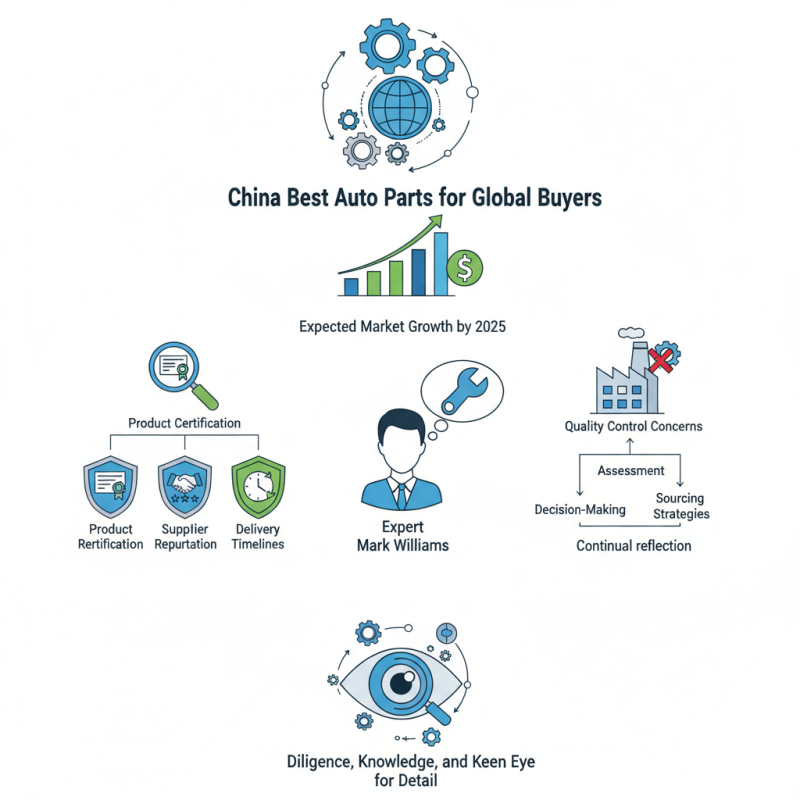
As the global auto parts market continues to expand, buyers must understand what to look for from Chinese suppliers. According to a recent report from Statista, the global auto parts market is expected to reach $1.6 trillion by 2025. This growth underscores the importance of quality and reliability in auto parts sourcing.
Expert Mark Williams, a renowned authority in the auto parts industry, emphasizes, "Quality should never be compromised when selecting auto parts suppliers." With countless options available, selecting the right ones can be overwhelming. Buyers need to focus on factors like product certification, supplier reputation, and delivery timelines.
Despite the exciting opportunities, challenges persist. Quality control remains a major concern, as subpar components can lead to serious issues. A thorough assessment of potential suppliers is critical. Continual reflection on sourcing strategies will help buyers improve their decision-making. Finding the best auto parts requires diligence, knowledge, and a keen eye for detail.
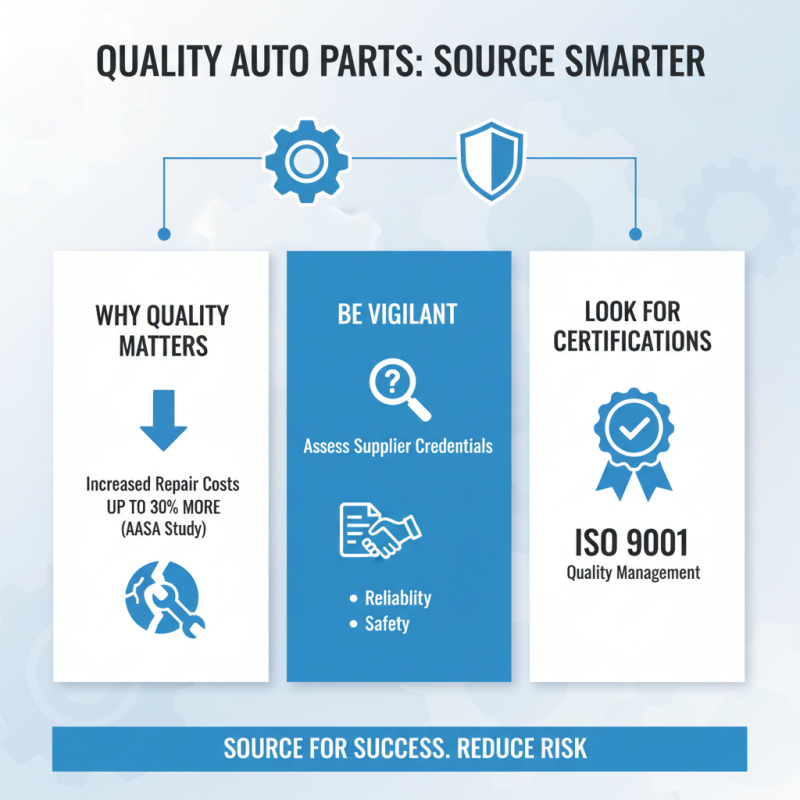
When sourcing auto parts, quality is paramount. A study by the Automotive Aftermarket Suppliers Association (AASA) highlights that substandard parts can lead to increased repair costs, potentially up to 30% more. Buyers must be vigilant in assessing supplier credentials. Certifications such as ISO 9001 can indicate a commitment to quality management.
The importance of durability cannot be overstated. Research shows that over 40% of automotive failures stem from inferior parts. This points to the necessity of thorough testing and quality assurance processes. Many suppliers present impressive data, but buyers should independently verify this information. Transparency in sourcing is essential.
Moreover, the evolving standards of the automotive industry demand strict adherence to quality norms. The International Organization for Standardization (ISO) sets benchmarks that need to be met. Engaging suppliers who align with these standards is critical. In assessing potential suppliers, always request performance history. Look for documented case studies or testimonials that provide insights into their track record.
When selecting auto parts suppliers in China, several key factors come into play. First, assess the supplier’s experience. A company with years in the industry often demonstrates reliability. Look for certifications that prove compliance with quality standards. Verify their production capabilities and technical expertise, as these can greatly affect product quality.
Tips: Always seek suppliers with robust feedback from previous clients. Customer reviews can reveal potential red flags. A supplier's response time and communication style also matter greatly. Consider conducting virtual meetings to gauge their professionalism.
Consider the supplier's location. A strategically located factory may provide faster shipping and lower costs. However, not all locations guarantee quality. It's essential to balance cost with the necessary quality control measures. Frequent inspections can help ensure standards are met, yet these can incur additional expenses.
Tips: Don't overlook the terms of trade. Payment terms, lead times, and warranties should all be clearly defined. Ask about return policies and support for defective products. Understanding these elements will enhance your purchasing confidence.
China is a vital hub for auto parts manufacturing, with several regions standing out for their production capabilities. The Yangtze River Delta, including Shanghai and Jiangsu, is one of the most significant areas. This region boasts advanced manufacturing techniques and a skilled workforce. Factories here produce critical components like engines and transmission systems. The infrastructure is well-developed, which helps streamline logistics and reduces lead times for global buyers.
Another key area is the Pearl River Delta, featuring cities like Shenzhen and Guangzhou. This region excels in electronic auto parts, including sensors and control units. Many manufacturers here adopt innovative technologies. However, quality control can sometimes be inconsistent, prompting buyers to conduct thorough inspections. It’s crucial to evaluate the certifications and test results before making decisions.
Northeast China's Liaoning Province is known for its robust metallurgy and steel processing. It supplies structural components and chassis parts. While the region is rich in resources, the production quality can vary widely. Buyers should establish clear communication channels to ensure specifications are met. It’s wise to visit the factories or partner with local experts to gain insights.
When evaluating the reputation and reliability of Chinese auto parts companies, several factors come into play. It's essential to look for certified manufacturers. Check if they have ISO certifications or similar credentials. This indicates adherence to quality standards. Many manufacturers invest in quality control. This reflects their commitment to producing reliable products.
Another important aspect is customer feedback. Look for reviews from other buyers. Genuine reviews can reveal the reliability of the products. Pay attention to recurring issues in feedback. If multiple buyers report similar problems, that's a red flag. Transparency is also crucial. Reliable companies often provide detailed product specifications. If a company is hesitant to share this information, be cautious.
Lastly, consider the warranty and return policy. A solid warranty shows confidence in the product's longevity. If a manufacturer offers a generous return policy, it could indicate strong customer service. However, not all policies may be straightforward. Some might have hidden stipulations. Always read the fine print. This careful evaluation process can help buyers make informed decisions.
When importing auto parts from China, understanding trade regulations is crucial. The global automotive industry has seen significant growth, with an expected market size of over $750 billion by 2025. This emphasizes the need for compliance with international standards and import regulations that vary greatly by country. As manufacturers aim for efficiency, it’s essential to ensure that parts meet both safety and quality standards.
Navigating these regulations can be complex. For example, the International Organization for Standardization (ISO) sets rigorous standards for automotive parts. Non-compliance might lead to delays, fines, or rejections at customs. Research shows that around 30% of imported auto parts are subjected to customs disputes due to regulation misunderstandings. This highlights the need for thorough documentation and proactive communication with suppliers.
**Tips:** Always verify the compliance certifications of your suppliers. Inspect the quality control processes they use. Consider visiting manufacturing plants if possible. It helps build trust and provides a clearer understanding of their capabilities. Stay updated on trade policies, as they can frequently change.
| Part Type | Material | Standard Compliance | Trade Regulation | Lead Time (Days) |
|---|---|---|---|---|
| Brake Pads | Ceramic | ISO 9001 | Customs Duties Apply | 30 |
| Air Filters | Polyester | SAE J726 | Compliance with CE Mark | 25 |
| Spark Plugs | Copper | ISO/TS 16949 | Tariff Rates Applicable | 20 |
| Shock Absorbers | Steel | ECE R90 | Import Permits Required | 35 |
| Timing Belts | Rubber | DIN 7753 | Product Safety Standards | 28 |
Logel’s Auto Parts
116 Bridge St East
Kitchener, Ontario
N2K 1J6
Phone: 519-745-4751
Toll Free: 1-800-818-9118
Hours 8:00-5:00 Monday to Friday
At Logel’s Auto Parts, we serve a range of communities in Southern Ontario, including:
Sign up today for the latest updates from the Logel’s Auto Parts team, including pricing for scrap vehicles, our newest product lines, current operating hours, and much more.