Why Are Car Headlights Crucial for Safe Night Driving?

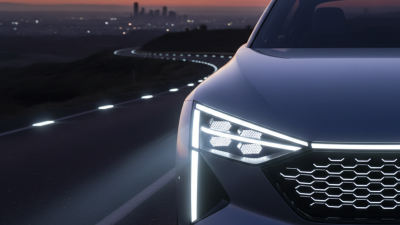
Car headlights play a vital role in ensuring safe night driving. As daylight fades, visibility decreases significantly. Poor visibility can lead to accidents. Dr. Sarah Thompson, a renowned automotive safety expert, emphasizes this point: “Properly functioning car headlights can be the difference between life and death on the road.”

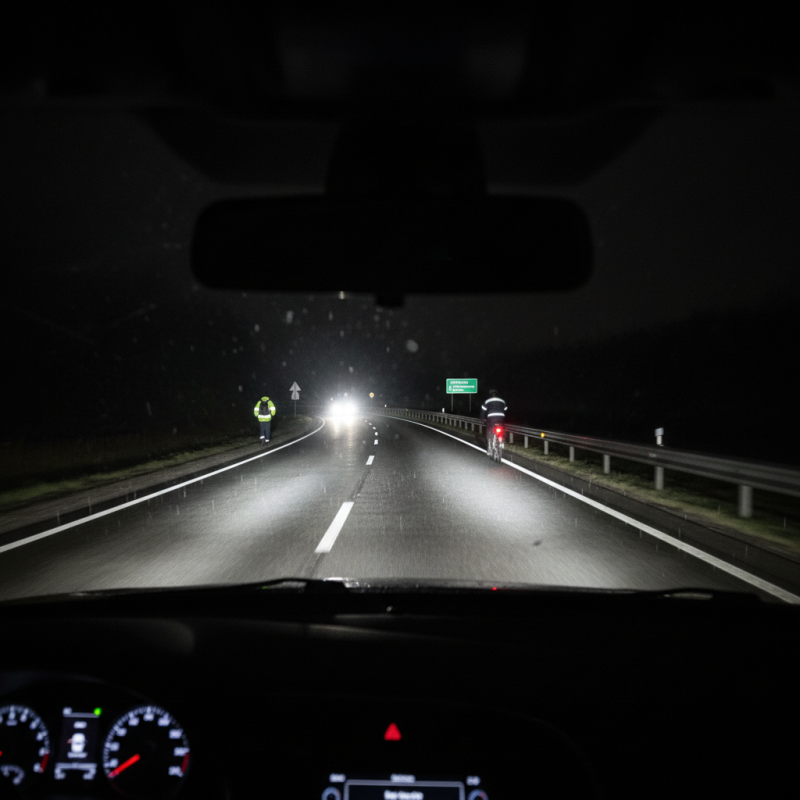
Without adequate illumination, drivers struggle to see pedestrians, cyclists, and road signs. Headlights should light the way, but many drivers neglect their maintenance. Burned-out bulbs or misaligned lights can create blind spots. In a world filled with distractions, it becomes essential to rely on these vital components.

Moreover, using high beams incorrectly can dazzle oncoming traffic. This presents a dilemma for drivers. They must balance enhancing their own visibility with others’ safety. The complexity of night driving encourages a deeper understanding of car headlights. Every driver should reflect on their own habits regarding vehicle lighting. Nighttime safety is partly in our hands.
Why Are Car Headlights Crucial for Safe Night Driving?

Importance of Car Headlights in Nighttime Visibility

Driving at night can be challenging. One of the main factors in nighttime safety is visibility. Car headlights play a pivotal role in enhancing this visibility. Bright and well-aimed headlights illuminate the road ahead, revealing potential hazards. Without them, dark roads become treacherous.

The importance of effective headlights extends beyond mere illumination. They help to reduce glare for oncoming drivers. This consideration enhances overall safety on the road. However, not all headlights are created equal. Poorly maintained or misaligned lights can lead to blind spots. This may create dangerous situations without warning.

Proper headlight maintenance is crucial. Regular checks ensure lights are functioning correctly. Keeping headlights clean also improves visibility. In contrast, neglecting them can lead to unexpected challenges on the road. Many drivers often forget this simple task. A dim light can significantly impact reaction time during nighttime driving.
Types of Car Headlights and Their Functions

Car headlights are essential for safe night driving. There are various types of headlights, each with unique functions. Halogen headlights are the most common. They provide adequate illumination and are affordable. However, they may not be as bright as newer technologies.

LED headlights are becoming popular. They offer better energy efficiency and longer lifespans. These lights are brighter and improve visibility on dark roads. Some drivers appreciate their modern look, but they can be blinding for others. Xenon headlights, or HID lights, are another option. They generate a bright, white light that enhances visibility significantly.

Choosing the right type is critical. Different environments require different solutions. City driving demands low beams to avoid blinding oncoming traffic. Rural areas benefit from high beams to illuminate long stretches of road. Unfortunately, many drivers mix these up, leading to dangerous situations. It’s vital to understand how each type works. It can impact not just your safety, but the safety of others on the road.

Regulations and Standards for Headlight Brightness

Why Are Car Headlights Crucial for Safe Night Driving?

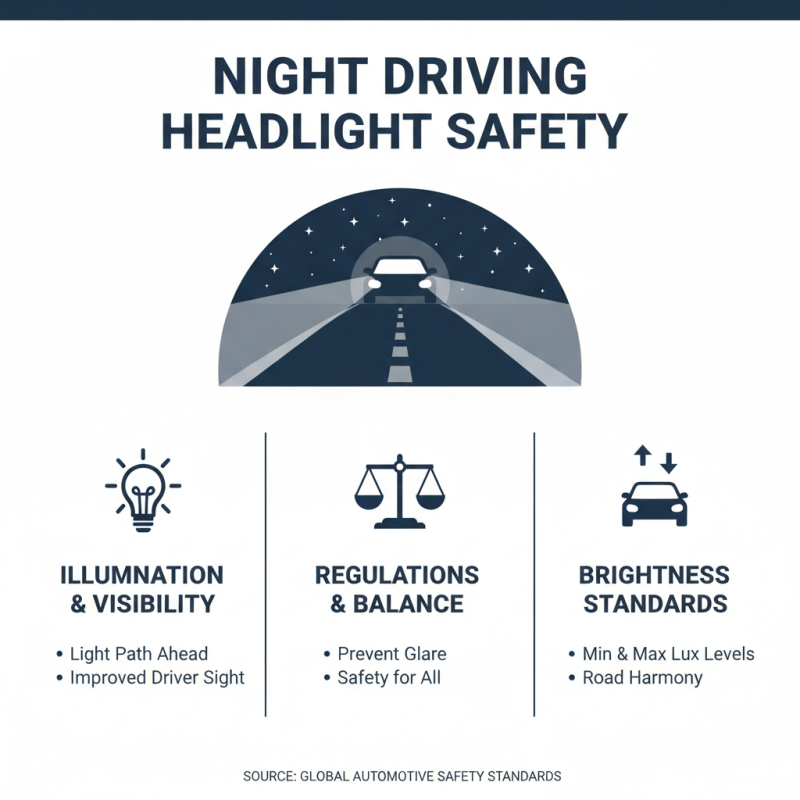
When driving at night, headlights play a vital role in safety. They illuminate the road ahead and improve visibility. Brightness is important, but there's more to it. Regulations exist to ensure headlights are effective without blinding other drivers. Various standards define minimum and maximum brightness levels. These rules help maintain a balance on the road.

It's crucial to regularly check your headlights. Make sure they are aligned properly. Misaligned lights can create dark spots or blind oncoming traffic. Cleaning them can improve brightness. Consider replacing old bulbs, as they can dim over time.

Moreover, understanding headlight types can help drivers choose wisely. Halogen, LED, and HID have different brightness levels. Not every type suits every vehicle. Research and ensure compliance with local regulations. Remember, safety is ultimately in your hands.

Common Issues with Headlights and Safety Risks

Headlights play a vital role in nighttime driving. They illuminate the road ahead, allowing drivers to see hazards and navigate safely. However, problems with headlights can expose drivers to significant risks. Common issues include burned-out bulbs, misaligned beams, and foggy lenses. These problems can reduce visibility and lead to accidents.

Regular maintenance is essential for headlights. Check bulbs often. If one is out, replace both for balanced lighting. Misalignment can happen over time, so getting your headlights adjusted is wise. A quick inspection can prevent dangerous situations. Fogged lenses can obscure light. Cleaning them can vastly improve performance.

Always keep headlights clean and clear. Dirt or grime can dim the light. Consider using a protective film to guard against scratches. Make it a habit to test your lights frequently, especially before long trips. Poor visibility can happen unexpectedly. Taking simple steps can enhance your safety while driving at night.

Tips for Proper Headlight Maintenance and Adjustment

Proper headlight maintenance is essential for safe night driving. According to the National Highway Traffic Safety Administration, poorly aimed or dim headlights cause 50% of night-time accidents. Regularly checking the alignment of your headlights can significantly enhance visibility. If your headlights are too low or misaligned, they might not illuminate the road ahead effectively. This is a common issue many drivers overlook.

Cleaning your headlights is also important. Foggy or dirty lenses can reduce brightness by 80%, making it hard to see. A simple solution is to use a headlight restoration kit, usually available at auto parts stores. Regular cleaning should be part of your vehicle maintenance routine. Additionally, replacing old bulbs after 500 hours of use can ensure maximum brightness. Avoid waiting for one bulb to burn out before checking the other; they often age together.

Drivers often underestimate the impact of proper headlight maintenance. In a survey, only 30% of drivers reported regularly cleaning their headlights. An alarming 60% claimed they haven't checked their headlight alignment in over a year. Ignoring these details could lead to dangerous situations. A proactive approach will improve safety for you and others on the road.

Why Are Car Headlights Crucial for Safe Night Driving? - Tips for Proper Headlight Maintenance and Adjustment

Dimension Details
Importance of Headlights Illuminate the road and increase visibility for safer driving at night.
Common Issues Misalignment, burnt-out bulbs, and foggy lenses.
Headlight Types Halogen, HID (Xenon), and LED headlights.
Maintenance Tips Regularly check for bulb functionality, keep lenses clean, and adjust alignment as needed.
Best Practices for Adjustment Park on a level surface and use a wall for alignment calibration while ensuring the correct height setting.
Legal Requirements Headlights must be functional and meet local regulations for road safety.

Start typing and press Enter to search