
China Best Solar Cleaning Machine Supplier? The answer depends on more than factory price or polished product photographs. A reliable supplier should understand real photovoltaic sites, including dusty rooftops, uneven ground, narrow panel gaps, and fragile module surfaces. A suitable Solar Cleaning Machine must remove sand, pollen, bird deposits, and industrial dust without scratching glass or stressing frames.
Dr. Alistair Sproul, a respected solar-soiling researcher, has stated, “Soiling losses must be measured, not guessed.” This principle matters when comparing Chinese manufacturers. Experienced suppliers should explain brush materials, contact pressure, water consumption, battery endurance, cleaning speed, and spare-parts support. They should also provide field test records, operator instructions, and clear warranty terms. A machine that cleans 1,000 square meters per hour in a brochure may perform differently under wet dust or strong wind.
Look closely.
Ask for evidence from projects with similar panel layouts. Check whether the drive wheels maintain traction on sloped surfaces. Confirm whether the brush can be replaced without dismantling the entire machine. Remote monitoring can help, but simple controls may be more dependable in harsh environments.
Some buyers focus too heavily on automation. That can be a mistake. Human inspection still matters after cleaning, especially around cable routes and module edges. Even the best supplier may not offer one perfect machine for every site. Performance claims need independent testing, practical trials, and honest comparison. A trustworthy China-based manufacturer combines engineering capability with responsive service, consistent quality control, and a willingness to discuss limitations. That is where a meaningful supplier evaluation should begin.
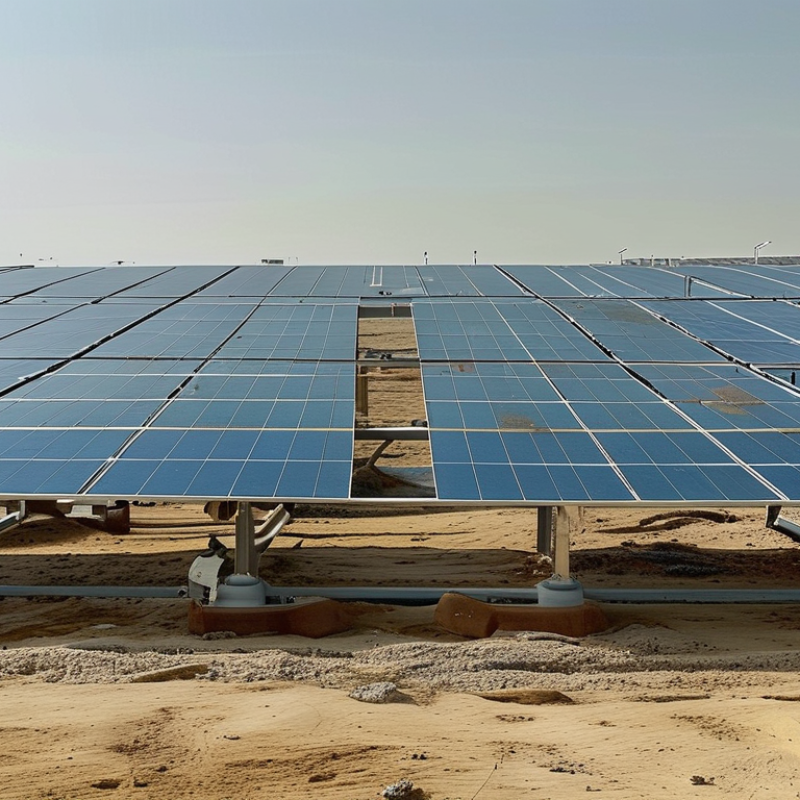
Dust is not merely a cosmetic problem on photovoltaic modules. A thin beige film can scatter sunlight before cells convert it into electricity. Under dry, windy conditions, soiling losses commonly range from 2% to 12%, although site results vary. The higher figure appears more often near unpaved roads, construction zones, farms, and deserts. Rain may help, but light showers can create muddy streaks instead.
The practical measurement is the soiling ratio: compare a clean reference module with an exposed module under similar conditions. A stable gap across several days is more useful than one dramatic reading. Technicians should record irradiance, wind, rainfall, tilt angle, and cleaning dates. That log connects lost kilowatt-hours with real site conditions. Small details matter. A bird dropping near a sensor can distort a short test.
When comparing a solar cleaning machine supplier, ask for field-test data, brush-pressure limits, water consumption, and maintenance procedures. Soft brushes and controlled contact reduce the risk of scratched coatings or displaced frame seals. Dry cleaning may suit dusty sites, while wet cleaning can remove sticky salt or pollen more effectively. Neither method is automatically best. Module glass, local dust chemistry, row spacing, and labor access change the decision. Some performance claims look precise but lack a defined baseline, which deserves scrutiny. A sensible trial cleans selected rows, measures output before and after, and checks the surface under angled light. The result may challenge the original plan. That is useful evidence, not failure.

Choosing China’s best solar cleaning machine supplier starts with the cleaning method, not the sales brochure. IEA PVPS Task 13 reports typical annual soiling losses of about 2–4%, while neglected sites may lose over 10%. Dust can look harmless, yet a thin brown film reduces output across thousands of modules.
Robots suit large, regular arrays with predictable layouts. They reduce manual labor and can clean frequently with little or no water. However, wheels may transfer grit, and navigation can fail around uneven frames. Brushes remove bonded dust more effectively, but excessive pressure can create micro-scratches. Air systems are gentle and dry. They work well with loose sand, but struggle with bird residue and oily particles. The weak point is obvious.
Water cleaning remains effective for stubborn deposits. It also creates wastewater, mineral spots, and higher operating costs. NREL’s photovoltaic operations guidance recommends measuring site-specific soiling before selecting maintenance intervals. Water use varies widely by equipment and panel condition, so fixed consumption claims deserve caution. I would not promise zero-water cleaning for every climate. A hybrid plan often performs better: robotic brushing for routine dust, limited water for periodic deep cleaning, and airflow for dry surface debris. Field conditions still decide the result.
| Technology | Typical Cleaning Method | Typical Coverage Rate | Water Requirement | Power Requirement | Best-Suited Applications | Main Limitations |
|---|---|---|---|---|---|---|
| Robotic Dry Cleaning | Motorized wheels or tracks with soft rotating brushes move across module rows and remove loose dust. | Approximately 500–2,000 m²/hour, depending on travel speed, row layout, and repositioning time. | 0 L/m² during normal dry operation | Usually rechargeable battery power; operating time commonly depends on battery capacity, surface friction, and slope. | Large ground-mounted solar farms, regular dust removal, and sites where water is scarce. | May struggle with heavy mud, sticky deposits, uneven module alignment, strong wind, or steep slopes. |
| Manual or Semi-Automatic Brushes | Soft nylon or microfiber brushes loosen dust; operators may use poles, carts, or powered brush heads. | Approximately 100–600 m²/hour, depending on equipment and operator technique. | Dry brushing uses 0 L/m²; wet brushing commonly uses about 0.2–1.0 L/m² when water is metered. | Low; manual tools require no electricity, while powered brush systems generally use small electric motors. | Small and medium installations, irregular layouts, spot cleaning, and areas requiring close visual inspection. | Labor-intensive, slower on large sites, and improper brush pressure or abrasive dirt can increase the risk of surface scratching. |
| Air Blowing | Electric or engine-driven blowers use directed air to remove loose, dry particles from the module surface. | Approximately 300–1,500 m²/hour, depending on airflow, nozzle width, and site conditions. | 0 L/m² | Low to moderate; electricity or fuel is required to generate airflow. | Loose dust, light sand, dry leaves, and frequent light-maintenance cleaning in water-constrained areas. | Ineffective against oily films, bird droppings, dried mud, mineral deposits, and strongly adhered particles. |
| Water-Based Cleaning | Low-pressure deionized or filtered water is applied with a soft brush, roller, or controlled spray system. | Approximately 300–1,200 m²/hour, depending on equipment, hose handling, and rinsing requirements. | Commonly about 0.2–2.0 L/m² with water-saving equipment; uncontrolled washing can use considerably more. | Low to moderate; pumps, filtration, and optional powered brushes may require electricity or fuel. | Heavy dust, bird droppings, salt residue, pollen, and other deposits that do not respond well to dry methods. | Requires water logistics, drainage planning, and mineral-control measures; hard-water residues can remain on modules. |
| Hybrid Robot with Optional Water | Automated dry brushing for routine cleaning, with controlled water application for stubborn or bonded contamination. | Approximately 400–1,500 m²/hour, depending on cleaning mode, module geometry, and water-handling equipment. | 0 L/m² in dry mode; commonly about 0.2–1.5 L/m² in metered wet mode. | Rechargeable battery power with additional energy for pumps or powered brushes when wet cleaning is enabled. | Large sites needing automated routine maintenance plus occasional treatment of stubborn deposits. | Higher purchase and maintenance complexity; performance depends on navigation, surface compatibility, and service support. |
Note: Coverage rates, water consumption, battery runtime, and operating costs are indicative industry ranges rather than guaranteed specifications. Actual results vary with panel size, array spacing, tilt angle, contamination type, weather, terrain, and cleaning frequency.
China Best Solar Cleaning Machine Supplier?
Choosing a solar cleaning machine supplier requires more than comparing catalog photos. Ask for evidence tied to IEC 62446-1 inspection principles, especially documentation for system testing and post-cleaning verification. This standard does not certify a cleaning machine itself. A reliable supplier should explain that distinction clearly.
IP65 protection means the equipment is dust-tight and resistant to water jets. It does not mean safe operation underwater. Request test reports, enclosure details, and maintenance instructions. Water resistance matters. Battery runtime also needs careful checking. A claimed eight-hour battery may assume low brush pressure, smooth panels, mild temperatures, and no climbing. Ask for runtime tests under realistic loads, including slopes and repeated starts.
Cleaning rate should be measured in square meters per hour, not described as “high efficiency.” Request test conditions, panel spacing, dirt type, brush width, and water usage. Dry dust, bird deposits, and sticky pollen produce different results. Field operators often find that narrow gaps and frame edges reduce the real rate. Real conditions vary. A supplier that reports both laboratory and site performance appears more trustworthy. Still, published figures can be optimistic. Compare independent demonstrations, inspect spare-part availability, and confirm battery replacement procedures before purchase. A practical trial on your own array may reveal weaknesses that brochures miss.
A reliable supplier must prove capacity, not merely display a large factory. The IEA PVPS Trends 2024 report recorded over 440 GW of new solar installations in 2023. This growth increases demand for dependable cleaning equipment and responsive support.
Ask for monthly production records, line utilization, quality checkpoints, and batch traceability. A factory audit should include motor testing, battery checks, water-system tests, and final inspection samples. A spreadsheet can look excellent. One factory visit may reveal bottlenecks.
OEM support OEM support should cover machine dimensions, brush materials, control software, packaging, and operator training. Request engineering drawings and a documented change-control process.
Cleaning performance NREL research on photovoltaic soiling shows that energy losses can reach several percent annually, depending on dust, rain, and site conditions. Therefore, cleaning performance needs field evidence, not only laboratory claims.
Review test reports from dry, dusty, and uneven surfaces. I would also check whether replacement parts remain available after the first order. That point is often ignored.
Tips:
Set service KPIs before signing. Track first-response time, mean time to repair, spare-parts fulfillment, remote diagnosis success, and customer complaint closure.
A practical target might be a response within 24 hours and parts dispatch within 72 hours, but regional conditions matter. Request quarterly KPI reports and escalation contacts.
Do not accept vague promises. Ask for three recent project references, service records, and evidence of technician training.
Supplier selection is never perfectly clean; assumptions should be tested and revised.
China Best Solar Cleaning Machine Supplier?
A cleaning machine should be judged by recovered energy, not its purchase price alone. IEA PVPS Task 13 reports typical soiling losses near 2–7%, while arid locations can approach 12%. The Global Soiling Map research also shows strong regional differences. Dust, pollen, bird residue, and rainfall patterns change the result.
Consider a 100 kW site producing 1,500 kWh per kW annually. At a 6% recoverable loss and $0.08 per kWh, cleaning could protect about $720 yearly. A machine costing $8,000 would need over 11 years to recover its capital cost. At a 12% loss, annual value reaches $1,440, reducing simple payback to about 5.6 years. These figures exclude operators, water, transport, maintenance, and financing. Reality is less tidy. Some sites may not recover the full estimated output.
Tips: Measure module soiling before buying equipment. Use reference panels or inverter data. Compare monthly energy before and after cleaning. Request machine test records, spare-parts availability, brush pressure data, and warranty terms. A lower CAPEX machine may create higher costs if it scratches coatings or needs frequent service. Standards and field evidence matter more than attractive supplier promises. Local climate data should decide cleaning frequency, not a fixed calendar.
Logel’s Auto Parts
116 Bridge St East
Kitchener, Ontario
N2K 1J6
Phone: 519-745-4751
Toll Free: 1-800-818-9118
Hours 8:00-5:00 Monday to Friday
At Logel’s Auto Parts, we serve a range of communities in Southern Ontario, including:
Sign up today for the latest updates from the Logel’s Auto Parts team, including pricing for scrap vehicles, our newest product lines, current operating hours, and much more.