
In the quest for renewable energy solutions, the importance of choosing the right Solar MPPT controller cannot be overstated. Bob Smith, an industry expert with over 15 years of experience, once stated, "A good MPPT controller maximizes your solar investment." This underscores the critical role these devices play in enhancing energy efficiency.
As solar technology advances, the choices become overwhelming. Various options promise optimal performance, but not all deliver. Each Solar MPPT controller has unique specifications and features. The key is to analyze how they fit specific system requirements.
Investing time in research is crucial. Selecting the wrong controller can lead to underperformance and reduced energy yield. As Smith emphasized, understanding your needs is vital. Navigating this landscape can feel daunting, but informed decisions lead to successful solar power projects.
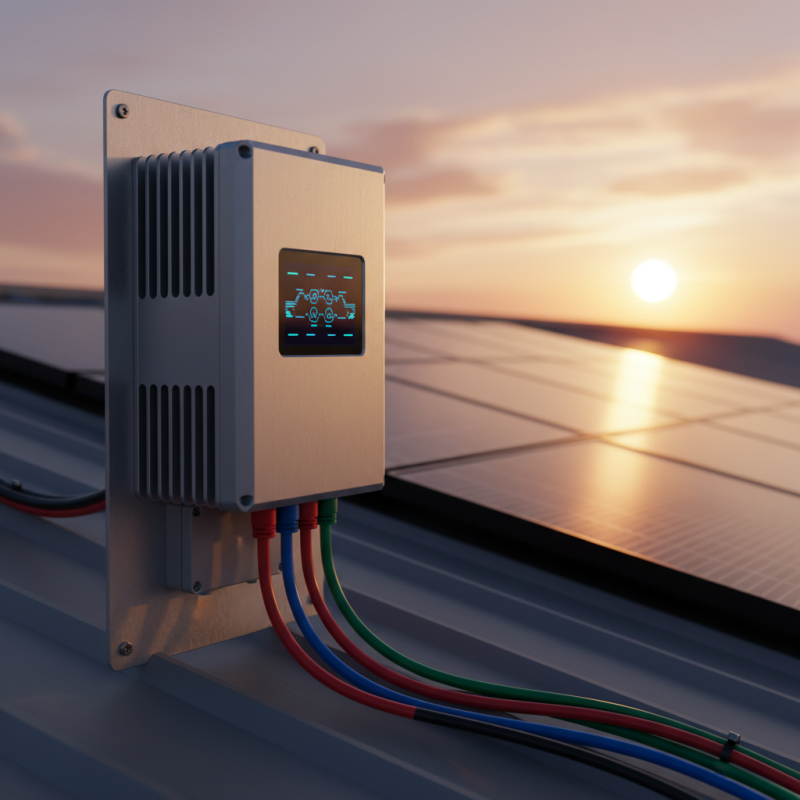
MPPT technology, or Maximum Power Point Tracking, is essential for optimizing solar energy systems. It allows solar panels to operate at their maximum efficiency. Reports indicate that MPPT controllers can increase energy harvest by 15% to 30%. This is crucial for making the most out of limited sunlight.
Solar panels produce varying amounts of power throughout the day. Factors include changes in sunlight intensity and temperature. MPPT controllers adjust the electrical operating point of the solar panels, continuously seeking the optimum performance point. A study from the National Renewable Energy Laboratory shows that systems with MPPT technology yielded 20% more energy during cloudy conditions. This adaptability makes MPPT a significant advancement in solar technology.
However, not all systems benefit equally from MPPT. In some cases, simpler PWM (Pulse Width Modulation) controllers may suffice for smaller solar setups. Additionally, MPPT systems tend to be more complex and costly. It's important to weigh the installation and maintenance expenses against potential energy gains. The decision should align with specific energy needs and budget constraints.
| Controller Model | Rated Power (W) | Input Voltage (V) | Efficiency (%) | Features |
|---|---|---|---|---|
| Model A | 3000 | 60 | 95 | LCD Display, Remote Monitoring |
| Model B | 2000 | 50 | 96 | Built-in WiFi, 4 Stage Charging |
| Model C | 1500 | 48 | 97 | Smart Load Control, Overload Protection |
| Model D | 1000 | 24 | 98 | Compact Size, Easy Installation |

When choosing a solar MPPT controller, key features matter a lot. Efficiency is crucial. Look for controllers that convert excess voltage into usable energy. This capability can greatly enhance your solar setup. Ideal options can boost energy capture by over 30% compared to traditional controllers.
Next, consider the controller's compatibility with your solar panels and batteries. Not all systems work seamlessly together. A mismatch can lead to significant losses. Some controllers come with adjustable settings. This flexibility is important for optimizing performance based on changing conditions.
Monitoring is another essential feature. Many newer models offer Wi-Fi or Bluetooth connectivity. This allows real-time data tracking through mobile apps. It’s handy to check system performance remotely. Still, it's vital to think about ease of use. Sometimes, complex settings can lead to confusion. Understanding your controller fully is necessary for optimal use.
When selecting an MPPT (Maximum Power Point Tracking) controller for a solar system, it's vital to compare the popular options available. The MPPT technology optimizes energy harvest, enhancing overall system efficiency. Industry reports show that a good MPPT controller can increase system output by 10-30% under various weather conditions.
Choosing the right model depends on various factors, including voltage, current ratings, and environment. Many devices support a wide range of solar panel types. However, be wary of the compatibility issues that can arise. Not every controller works seamlessly with all solar configurations. Read user reviews to gauge real-world performance.
Tips: Always account for future expansion when selecting a controller. Oversizing can provide flexibility for adding more panels later. Heavy-duty controllers may handle the most challenging environments, but they often come at a higher upfront cost. Investing in a reliable unit is paramount for long-term savings.
Users should also consider monitoring features. Some controllers offer real-time data, leading to informed operational decisions. However, these features can complicate usability for beginners. Finding a balance between advanced technology and simplicity may require some trial and error. The best results come from learning and adapting.
Choosing the right solar MPPT controller requires careful evaluation of your system's compatibility. Factors such as battery type, solar panel specifications, and load requirements play a crucial role. Ensure that the controller can handle your solar panel’s voltage and current output. A mismatch can lead to inefficiency or equipment failure.
Consider the energy needs of your system. If your panels are high capacity, select a controller that can optimize their performance effectively. Take note of how the controller integrates with your batteries. Not all controllers handle lithium and lead-acid batteries the same way. Some features may be unnecessary for your configuration. It's vital to critically assess what you need versus what you want.
Lastly, remember that not every option works for every system. Users often overlook the importance of monitoring capabilities. Understanding how much energy is produced helps inform your choices. It’s also helpful to check user reviews for real-world insights. A common mistake is disregarding feedback, assuming all models work similarly. Reflecting on this can guide you to a more suitable choice.
Proper installation and maintenance of solar MPPT controllers are essential for maximizing efficiency. The right placement of the controller can enhance performance. Ideally, it should be installed in a cool, dry location. Avoid direct sunlight to prevent overheating. According to industry data, a well-placed MPPT controller can improve energy output by up to 30%. This means you could potentially see a significant return on your investment.
Regular maintenance is also crucial. Check connections periodically for corrosion or wear. Ensure that the firmware is updated, as improvements can significantly enhance functionality. A report by the Solar Energy Industries Association indicates that proper maintenance can extend the lifespan of MVCs by several years. Failing to maintain them may result in unexpected failures and decrease energy production. Realigning your system may be necessary when moving to a new location or after natural disturbances.
Some users overlook simple tasks, such as cleaning the input terminals. Dust and debris may accumulate and hinder performance. It's easy to forget these details, yet they can have a real impact. Tracking performance metrics can help identify any inefficiencies before they become costly issues. Ignoring these aspects can lead to a drop in energy efficiency. Understanding the foundational elements of your MPPT system can make a world of difference.
Logel’s Auto Parts
116 Bridge St East
Kitchener, Ontario
N2K 1J6
Phone: 519-745-4751
Toll Free: 1-800-818-9118
Hours 8:00-5:00 Monday to Friday
At Logel’s Auto Parts, we serve a range of communities in Southern Ontario, including:
Sign up today for the latest updates from the Logel’s Auto Parts team, including pricing for scrap vehicles, our newest product lines, current operating hours, and much more.