
As the demand for robotics continues to rise, choosing the right power source is crucial. The "robot lithium battery" market is projected to grow significantly, with a forecasted CAGR of over 15% from 2023 to 2028. This growth is driven by advancements in battery technology and increased applications across various industries. Experts highlight that selecting an appropriate battery can greatly affect a robot's performance and longevity.
Dr. Emily Choi, a leading expert in battery technology, states, "The efficiency of robot lithium batteries directly influences robotic capabilities." This insight emphasizes the importance of battery selection in robotics. Users must consider factors such as energy density, weight, and discharge rates when evaluating options. Despite advancements, challenges remain. Not every lithium battery is suited for all robotics applications, resulting in potential mismatches.
The evolving landscape of the robot lithium battery industry presents opportunities and challenges. Innovative options are emerging, yet some products may not meet user expectations. As the industry matures, careful research and consideration will help stakeholders make informed decisions that align with their specific needs. This guide will explore the best 2026 options available, ensuring users find suitable batteries for their robotic applications.
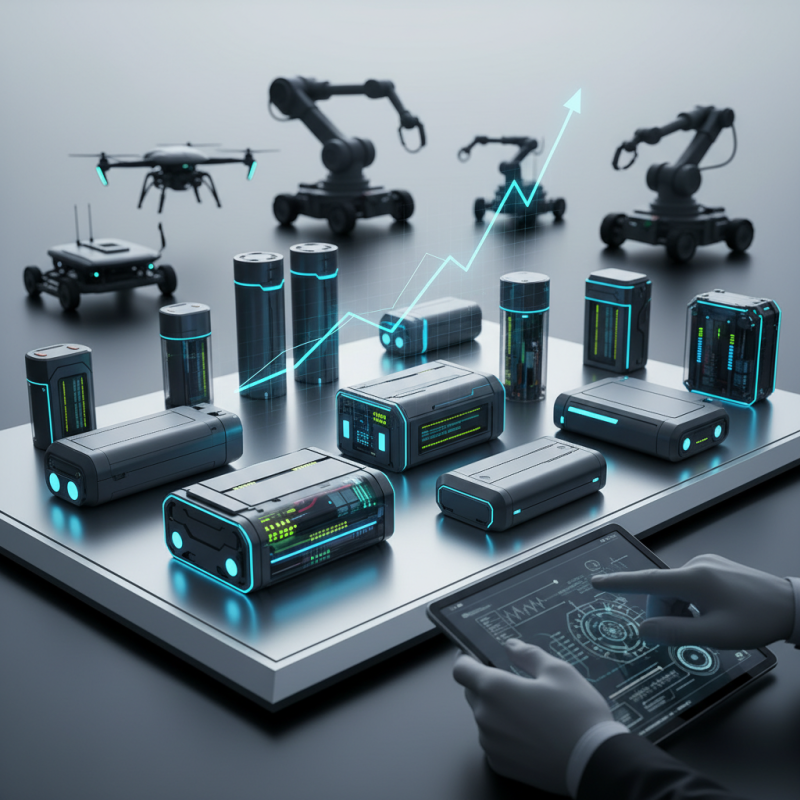
Understanding lithium batteries for robots is crucial for optimal performance. These batteries are lightweight, have a high energy density, and exhibit low self-discharge rates. Many robotic applications, from drones to industrial robots, depend on reliable battery technology for efficiency and longevity. Lithium batteries also come with unique challenges, including temperature sensitivity and degradation over time.
When choosing among various options, consider the capacity and discharge rates. High-capacity batteries deliver prolonged energy, which can be vital for performance. However, be wary of the trade-offs. Heavier batteries may compromise mobility. It’s essential to balance weight and power.
**Tip**: Regularly monitor battery health. Overcharging can reduce lifespan. Consider investing in a battery management system.
Safety is another critical factor. Lithium batteries can be volatile if mishandled. Ensure you follow recommended charging practices. Remember, it’s easy to overlook maintenance in the pursuit of advanced technology.
**Tip**: Store batteries in a cool, dry place. Extreme temperatures can cause issues. Before deploying, always double-check connections. Maintenance habits develop over time. Don’t overlook tiny details; they matter.

When selecting lithium batteries for robots, several key factors come into play. Capacity is essential. Look for batteries with a high energy density. This characteristic allows robots to operate longer without frequent recharging. According to industry reports, batteries with a density of around 250 Wh/kg or higher are ideal for many robotic applications.
Weight and size are critical too. Heavy batteries can impact the agility of robots. Their design should prioritize a compact form. This is especially true for drones and robotic arms, where space is limited. Additionally, consider the discharge rate. Factors like peak power requirements arise during operation. A battery that can manage high discharge rates ensures robots perform optimally under load.
Lastly, examine the thermal management of the battery. Overheating can lead to performance issues and risks safety. Research indicates that maintaining optimal temperatures can extend battery life by over 30%. Yet many battery solutions still fall short in this area. Understanding these factors can lead to informed decisions in choosing the right battery for your robotic needs.
As robotics technology evolves, selecting the right lithium battery is crucial. In 2026, many robotics applications require specific power needs. The efficiency and lifespan of batteries remain critical factors. Data from industry reports indicate that lithium batteries can offer up to 3000 charge cycles. This longevity enhances the overall performance of robots.
When exploring lithium battery brands, consider energy density and weight. Some batteries provide higher energy density but may weigh more. Balancing these aspects is vital when designing a robotic system. Reports show that lightweight options can lead to better maneuverability, especially in drones and mobile robots.
Tips: Always check the battery's discharge rate. It determines how much current the battery can provide at once. Ensure that the selected battery matches the robot's peak power requirements. Also, read user feedback on battery performance. This insight can prevent costly mistakes. Battery technology advances continuously; staying informed is key to making the best choice.
When choosing lithium batteries for robots, various performance metrics hold significant importance. Capacity, voltage, and discharge rates are key factors to consider. According to industry reports, a battery's capacity measured in amp-hours determines how long a robot can operate continuously. High-capacity batteries, such as those over 10Ah, are often preferred for industrial robots. Yet, this advantage can come with increased weight, which may hinder mobility.
The voltage rating of a lithium battery affects the power output. For instance, a battery rated at 24V will generally deliver better efficiency than a 12V option. Charging and discharging rates are also critical, especially for applications requiring quick bursts of energy. Some batteries can discharge at rates exceeding 20C, but this can lead to shorter life spans. A battery's cycle life, often stated in thousands of charge-discharge cycles, also varies significantly. It's not uncommon to see batteries rated for only 500 cycles in cheaper models.
Selecting the ideal battery involves a balance of these metrics. It’s easy to be drawn to high capacity and discharge rates but sacrificing weight and longevity may lead to performance dips. Moreover, market trends indicate that while many batteries promise superior performance, real-world applications sometimes yield disappointing results. Engineers must weigh these factors carefully to optimize robot functionality.
The future of lithium battery technology for robotic applications is promising. As robotics evolves, the need for efficient and robust power solutions grows. Lithium batteries are becoming lighter and more efficient, which benefits robots significantly. This shift leads to enhanced mobility and longer operational times. Robots can now perform complex tasks without frequent recharging.
Innovations in battery chemistry are paving the way for enhanced safety and performance. Solid-state batteries, for instance, offer increased energy density. They also reduce the risk of leakage or fire, which is crucial for robotic systems. Moreover, the integration of smart technology allows for real-time monitoring of battery health. This results in better maintenance and long-term reliability.
However, challenges remain. Scaling production to meet demand can be difficult. There are still concerns about resource scarcity and recycling processes. These factors need attention as the market for robotic applications grows. Future development requires a balance between innovation and sustainability. Exploring alternative materials and recycling methods is essential for long-term progress in lithium battery technology.
| Battery Type | Capacity (Ah) | Voltage (V) | Weight (kg) | Cycle Life | Applications |
|---|---|---|---|---|---|
| Li-ion 18650 | 3.0 | 3.7 | 0.045 | 500-800 | Consumer Electronics, Drones |
| LiFePO4 | 10.0 | 12.8 | 2.5 | 2000-3000 | Electric Vehicles, Robotics |
| LiPo | 5.0 | 11.1 | 0.5 | 300-500 | Racing Drones, Robotics |
| NMC | 15.0 | 12.0 | 5.0 | 2000 | Industrial Machinery, Robotics |
Logel’s Auto Parts
116 Bridge St East
Kitchener, Ontario
N2K 1J6
Phone: 519-745-4751
Toll Free: 1-800-818-9118
Hours 8:00-5:00 Monday to Friday
At Logel’s Auto Parts, we serve a range of communities in Southern Ontario, including:
Sign up today for the latest updates from the Logel’s Auto Parts team, including pricing for scrap vehicles, our newest product lines, current operating hours, and much more.