
Commuting in an eco-friendly manner is increasingly vital. The rise of the recycle electric bike offers a unique, sustainable solution. These bikes utilize electric power to reduce emissions and enhance efficiency. They also promote healthier lifestyles by encouraging physical activity.
Many users report enjoying their daily rides. However, some may initially resist the switch from traditional bikes or cars. The transition might feel daunting. Yet, the long-term benefits often outweigh the initial challenges. With a recycle electric bike, stakeholders can reduce their carbon footprint significantly.
Investing in a recycle electric bike not only helps the environment but also improves your overall livelihood. Embracing this change can lead to a sense of community. Engaging with others who share this passion is rewarding. That connection enhances the commuting experience and reinforces positive environmental impacts.
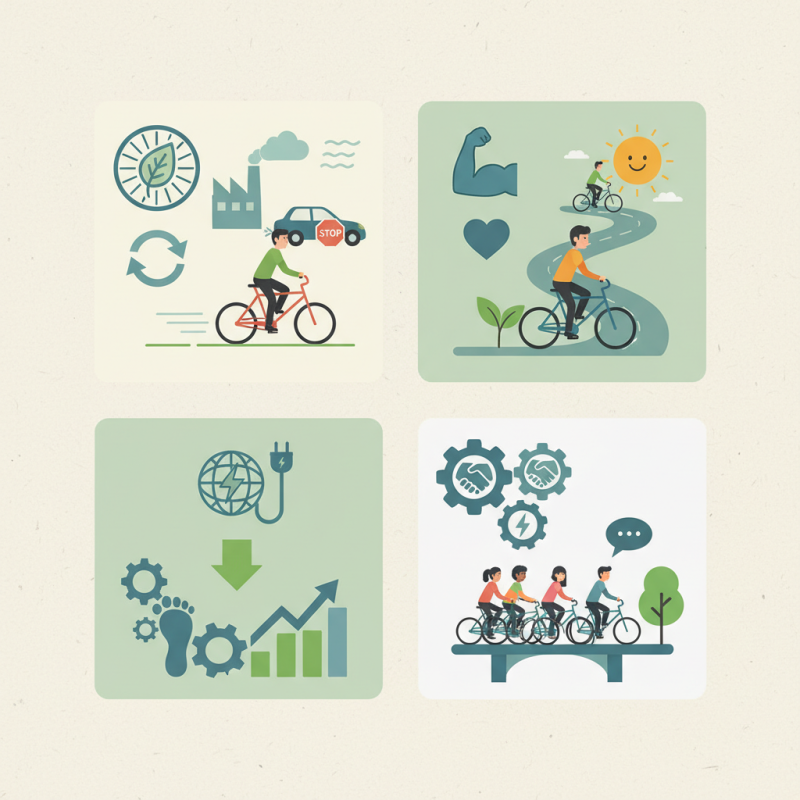
Electric bikes are becoming a popular choice for sustainable transportation. They provide a cleaner alternative to traditional vehicles. According to a report by the International Energy Agency, electric bikes produce zero tailpipe emissions, making them an eco-friendly option for commuters. People are increasingly turning to electric bikes to reduce their carbon footprint.
Using electric bikes can also help improve public health. With less air pollution from cars, urban areas can see fewer respiratory issues among citizens. The World Health Organization states that reduced pollution promotes better overall health. While there are many benefits, potential buyers need to consider maintenance costs and battery lifespan. Not all electric bikes are created equal; it's essential to research thoroughly.
**Tips**: Look for bikes with reliable battery technology. Check local regulations on electric bikes, as some areas have specific rules. Consider testing bikes before purchasing to ensure a comfortable fit.
| Benefit | Description | Environmental Impact | Cost Savings |
|---|---|---|---|
| Reduced Carbon Footprint | Electric bikes produce zero emissions during operation. | Significantly lowers greenhouse gases. | Lower fuel costs compared to cars. |
| Energy Efficiency | Electric bikes are more energy-efficient than traditional vehicles. | Uses less energy per mile. | Significant savings on energy consumption. |
| Health Benefits | Riding improves cardiovascular health and fitness. | Encourages physical activity, reducing health-related emissions. | Potential reduction in healthcare costs. |
| Traffic Congestion Relief | E-bikes can navigate traffic more easily. | Less time spent idling reduces air pollution. | Saves time on daily commutes. |
| Convenience and Flexibility | Easy parking and access in urban areas. | Fewer cars leads to less urban sprawl. | No parking fees required. |

Choosing a recycle electric bike can have a significant impact on reducing your carbon footprint. Daily commuting often involves multiple trips, contributing to greenhouse gas emissions. By opting for an electric bike, you harness clean energy. This helps in minimizing air pollution and fossil fuel dependency.
Electric bikes are efficient. They consume far less energy than traditional vehicles. Even short rides on electric bikes greatly reduce your emissions. Picture riding through city streets. You not only skip traffic jams but also prevent carbon pollution. Each ride contributes to a cleaner atmosphere.
However, while electric bikes are eco-friendly, they come with environmental costs. Production processes involve resources and energy. Batteries need proper disposal and recycling. Reflecting on these points is crucial. Can we improve our choices? Balancing convenience and sustainability is an ongoing challenge for every commuter.
Owning a recycle electric bike can be a game changer for your commute. According to industry reports, the upfront cost of an electric bike often ranges from $600 to $2,500. While this might seem steep, the long-term savings are compelling. Research indicates that riders can save approximately $1,000 annually on commuting costs, factoring in fuel, parking, and maintenance fees.
Let’s consider maintenance. Electric bikes require less upkeep than traditional vehicles. For instance, tires can easily last for thousands of miles. Brake pads and chains see less wear due to regenerative braking. This translates to fewer repairs and greater savings. Additionally, electric bikes can reduce reliance on public transport, leading to personal savings and reduced commuting stress.
In terms of environmental impact, electric bikes have an edge. A report estimates that replacing a car with an e-bike can cut carbon emissions by over 50%. This aspect cannot be ignored. However, the initial investment might give potential buyers pause. Beyond the cost, potential buyers must reflect on their commuting habits too. Are they ready for a new lifestyle choice? Embracing an electric bike isn’t just about saving money; it’s a shift towards sustainable living.
Urban areas face significant challenges related to traffic congestion and air pollution. Eco-friendly electric bikes provide a solution that enhances urban mobility. These bikes are light and easy to navigate through busy streets. They offer a flexible transport option, allowing riders to bypass traffic jams. More people choosing electric bikes can lead to less congestion.
Using electric bikes also reduces harmful emissions. They run on electricity instead of gasoline, which is a significant advantage. Many cities promote biking for its environmental benefits. Yet, infrastructure often lacks adequate bike lanes. This inconsistency can hinder safe riding experiences. Urban planners need to reflect on these challenges and consider better designs that cater to bikers.
The financial aspect of owning an electric bike is worth noting. They can save money on fuel and parking. However, initial costs might be a barrier for some. Community programs can help make these bikes more accessible. Continuous education on their benefits is crucial. Eco-friendly electric bikes could reshape urban transport, but society must embrace this shift.
Electric bikes are changing the way we think about commuting and fitness. They promote a healthy lifestyle while reducing our carbon footprint. Statistics from recent studies show that cycling can reduce the risk of heart disease by 50%. This is significant considering cardiovascular disease is a leading cause of death globally. An electric bike makes cycling accessible to a wider audience. With the assistance of an electric motor, people of varying fitness levels can engage in biking without feeling overwhelmed.
Research indicates that regular cycling helps improve mental health as well. A report from the World Health Organization highlights that physical activity, including cycling, can decrease anxiety and depression symptoms. It also enhances overall well-being. The electric bike offers a balance; it’s still physical but less intimidating for beginners. As riders pedal, they experience the thrill of movement while also benefiting from the exercise.
Many cyclists report increased energy levels and improved mood after their rides. Yet, some might find it challenging to incorporate regular cycling into their daily routine. External factors like weather and distance can undermine commitment. It's essential to acknowledge these challenges and adapt our approach to ensure that cycling remains an enjoyable and beneficial part of our lives. The electric bike thus serves as a bridge, making commuting an eco-friendly choice while fostering health and fitness.
Logel’s Auto Parts
116 Bridge St East
Kitchener, Ontario
N2K 1J6
Phone: 519-745-4751
Toll Free: 1-800-818-9118
Hours 8:00-5:00 Monday to Friday
At Logel’s Auto Parts, we serve a range of communities in Southern Ontario, including:
Sign up today for the latest updates from the Logel’s Auto Parts team, including pricing for scrap vehicles, our newest product lines, current operating hours, and much more.