What is Auto Recycling and How Does it Benefit the Environment?
Auto recycling is a crucial process for sustainable waste management. It helps to conserve natural resources and reduce landfill waste. According to the Automotive Recyclers Association, recycling one vehicle can save over 2,500 pounds of iron and steel. These savings demonstrate the clear environmental benefits of auto recycling.
Expert in the field, Dr. Sarah Thompson, emphasizes its significance: "Every car recycled represents a step towards a greener planet." This statement underscores the potential of auto recycling in promoting sustainability. However, the industry faces challenges. Many consumers are unaware of the benefits, leading to underutilization of recycling services.
Additionally, some facilities struggle with outdated processes, which hinder efficiency. Despite these issues, auto recycling remains a vital practice. It not only protects our environment but also supports the economy by creating jobs. Addressing these challenges can enhance the impact of auto recycling on our planet.

Understanding Auto Recycling: Definition and Process
Auto recycling is a vital process in today's world. It involves breaking down end-of-life vehicles. These vehicles are transformed into raw materials. The process begins with the removal of hazardous components, such as batteries and fluids. This step is crucial for preventing environmental contamination. According to the Automotive Recyclers Association, approximately 25 million tons of materials are recycled each year in the U.S. alone.
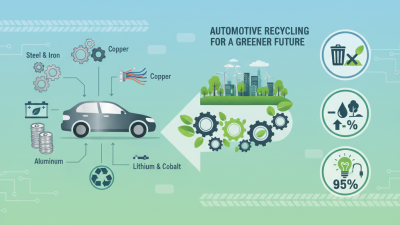
Once hazardous materials are removed, the car is shredded. This shredding generates metal, plastics, and glass. The metals are the most valuable. They can be reused to manufacture new cars. Studies suggest that recycling one ton of steel saves 2,500 pounds of iron ore and conserves energy. Yet, the industry faces challenges. Not every part of a vehicle can be recycled efficiently. Some materials still end up in landfills. A more efficient process is needed to minimize waste.
Public awareness about auto recycling is still lacking. Many car owners do not understand the benefits. This leads to an underutilization of recycling processes. With proper education, more vehicles could be recycled. The potential benefits for the environment are significant. It could reduce greenhouse gas emissions and save resources. Addressing these knowledge gaps could enhance auto recycling efforts overall.
The Environmental Impact of Auto Recycling
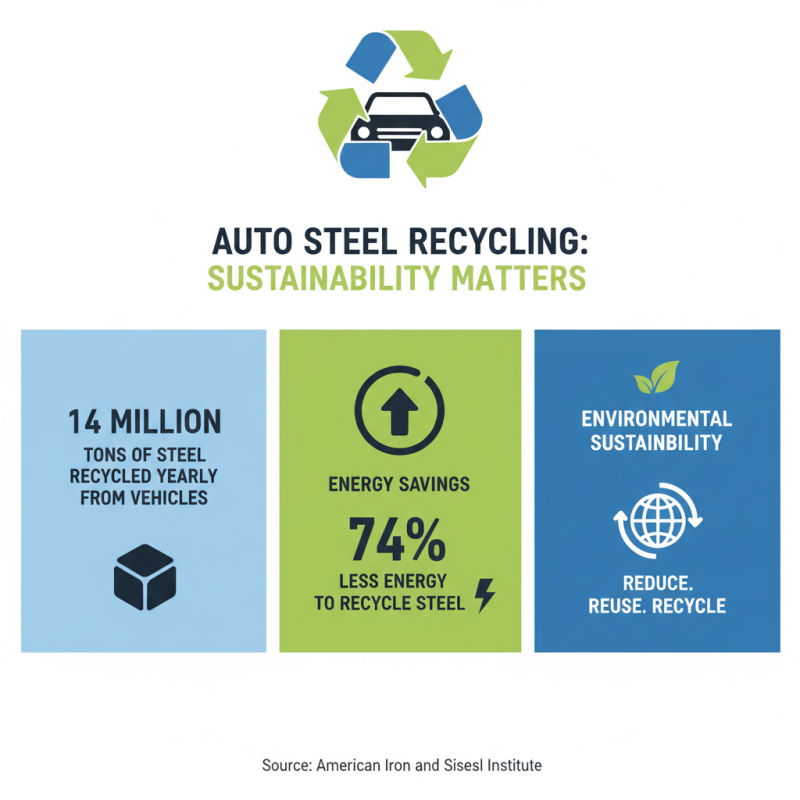
Auto recycling is vital for the environment. It reduces waste by reusing parts and materials from old vehicles. This process helps save energy and raw materials. For example, recycling steel from cars can save up to 74% of the energy needed to produce new steel.
When a car is recycled, harmful fluids are disposed of properly. This keeps toxic substances from leaking into the soil or water. However, the recycling process isn't perfect. Sometimes, not all materials are recovered. Some end up in landfills, contributing to pollution. It's an area that requires improvement and innovation.
The overall impact on the environment is significant. Recycling vehicles leads to reduced greenhouse gas emissions. This is crucial in battling climate change. Yet, many people remain unaware of auto recycling's benefits. Educating the public about this process can lead to greater participation. It's essential for a sustainable future.
Economic Benefits of Auto Recycling
Auto recycling plays a significant role in the economy. It transforms old vehicles into valuable materials. Steel, aluminum, and plastics from cars are reused. This process reduces the need for raw materials. It conserves energy and cuts down on emissions. Resource extraction can be harmful; recycling offers an eco-friendlier path.
Moreover, auto recycling creates jobs. Many workers are involved in dismantling vehicles. This includes sorting parts and processing materials. The industry supports local economies. With each recycled car, we see potential benefits. However, the process is not without challenges.
Some facilities struggle with proper recycling practices. They may lack the technology or knowledge to do it right. This leads to wasted resources and environmental risks. It's crucial to promote best practices in auto recycling. Awareness must grow about the importance of responsible recycling. Ultimately, a better approach will yield not just economic benefits, but environmental ones too.
What is Auto Recycling and How Does it Benefit the Environment? - Economic Benefits of Auto Recycling
| Dimension |
Statistic |
| Number of Cars Recycled Annually |
12 million |
| Material Recovered from Recycling |
75% of vehicle weight |
| Decrease in Landfill Usage |
Up to 85% |
| Energy Savings from Recycling |
Up to 74% for steel production |
| Reduction in Greenhouse Gas Emissions |
1.1 billion metric tons annually |
| Jobs Created by Auto Recycling Industry |
Up to 100,000 jobs |
| Revenue Generated by Auto Recycling |
$25 billion annually |
Challenges and Innovations in the Auto Recycling Industry
The auto recycling industry faces several challenges. One major issue is the difficulty in extracting valuable materials from old vehicles. Chemicals and metals can be mixed together, complicating the recycling process. Moreover, not all recycling facilities have the latest technology to handle these materials efficiently, leading to waste.
Innovations are emerging. New techniques, such as advanced shredding and sorting technologies, help separate materials more effectively. Companies are exploring biotechnologies for breaking down complex materials. These solutions may transform how we recycle cars, making the process more sustainable.
**Tips:** Always choose a certified recycling center for your vehicle. Ensure they follow environmentally-friendly practices. This protects you and the planet.
Despite these advances, there is room for improvement. Public awareness about auto recycling remains low. Many people still do not understand its benefits. Creating more educational programs can bridge this gap. The industry must also confront improper disposal practices that persist in some areas.
Auto Recycling Benefits Over Time
As shown in the bar chart above, the number of vehicles recycled has steadily increased from 2018 to 2022. This trend reflects the growing awareness of the benefits of auto recycling, which not only reduces waste but also conserves resources and minimizes environmental impact.