The global supply chain for car auto parts is evolving rapidly. In 2026, this industry faces significant challenges and opportunities. As automotive technology advances, the demand for quality and reliable car auto parts increases. Manufacturers must adapt to meet changing consumer needs.
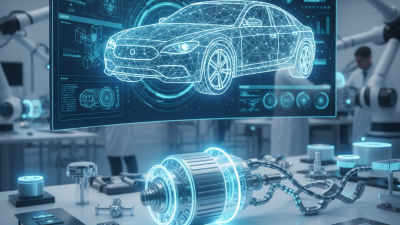
Supply chain disruptions have highlighted vulnerabilities in sourcing and distribution. Companies must emphasize strategic partnerships and local sourcing. This shift can enhance resilience and efficiency. Additionally, innovations in electric vehicles and autonomous driving bring new requirements for car auto parts.
While the future looks promising, it is essential to reflect on past mistakes. Companies need to evaluate their supply chain strategies continuously. Adapting to new technologies and market trends will be crucial. In this complex landscape, knowledge and expertise in car auto parts will remain vital for success.

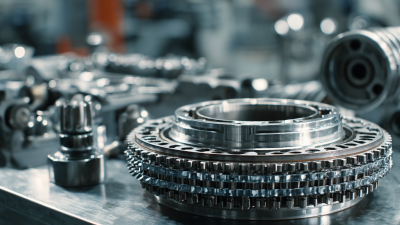
As the automotive industry evolves, understanding essential auto parts is crucial. A comprehensive overview reveals that brake systems, engines, and suspension components remain vital. These parts ensure safety, performance, and comfort. Efficient production and distribution of these components are key to a global supply chain.
Engine management systems, for instance, have become complex. They require precision engineering and strict quality control. It's vital to consider not only production logistics but also global distribution challenges. Suppliers must adapt to varying regulations across countries. Plus, integrating advanced technologies can streamline this process. However, not every solution is foolproof.
Sourcing ethical materials plays a significant role in sustainability. Automakers face scrutiny over their supply chains. Transparency about sourcing practices is now a necessity. Failing to do so can lead to reputational damage. This landscape forces companies to reflect on their choices. The focus on sustainable practices should not overlook the economic implications, as costs can rise dramatically. Balancing ethics and profitability is an ongoing challenge.
The global demand for auto parts in 2026 will be influenced by several key factors. Consumer preferences are shifting towards electric vehicles (EVs). According to a report from the International Energy Agency, sales of EVs rose by 40% in 2021. This trend will drive the need for specific auto parts, including batteries and electronic components.
Economic factors will also play a significant role. For example, the World Bank projects a 4% increase in global GDP in 2026. A thriving economy often leads to higher vehicle production and, consequently, a greater demand for auto parts. Additionally, supply chain challenges, such as material shortages, may hinder production efficiency. While manufacturers strive for reliability, the unpredictability of raw material availability creates uncertainty.
Regulatory changes will also impact the auto parts sector. Governments worldwide are introducing stricter emissions regulations. This will compel manufacturers to adapt their product lines to meet compliance standards. Innovations in sustainable materials can lead to better environmental performance but may also require companies to rethink their operations. It remains to be seen how the industry will balance compliance with cost-effectiveness.
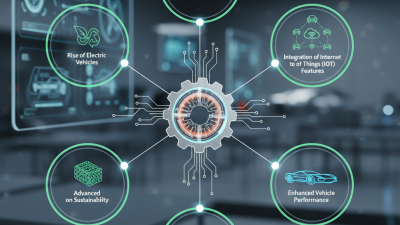
As the automotive industry shifts toward electrification, understanding key components for electric vehicles (EVs) in 2026 becomes crucial. The International Energy Agency projects that the number of electric cars on the road will reach 145 million by 2030. This surge in EV adoption highlights the significance of optimizing supply chains for essential automotive parts.
Batteries remain the heart of electric vehicles. Innovations in lithium-ion technology are essential for improving energy density while reducing costs. A recent report revealed that the global battery market for EVs is expected to surpass $100 billion by 2025. However, sourcing lithium, cobalt, and nickel presents challenges, including regulatory scrutiny and ethical concerns in mining practices.
Power electronics also play a vital role. They control the flow of electricity in EVs, impacting efficiency and performance. As per a market analysis, the power electronics segment is anticipated to grow significantly, reaching over $25 billion by 2026. Nevertheless, manufacturers face hurdles in ensuring reliable supply chains amid fluctuating component availability and geopolitical tensions. Identifying and securing critical suppliers is essential to mitigate risks and enhance production reliability.
In 2026, the sourcing of auto parts for global supply chains will face significant challenges. The landscape is evolving due to geopolitical tensions and supply chain disruptions. Companies need to navigate these hurdles to ensure a steady flow of essential components.
Manufacturers are struggling with fluctuating material costs and limited availability. This can lead to delays and increased production costs. Developing a diversified supplier base is crucial. Relying on a single source can jeopardize operations.
**Tips:** Consider exploring local suppliers. They can provide faster turnaround times. Establishing strong relationships with multiple partners helps mitigate risks. It’s also essential to stay informed about market trends. Being proactive can make a significant difference.
Environmental regulations are tightening, adding complexity to sourcing decisions. Compliance can slow down procurement. Continuous education about legal requirements is vital. Organizations must adapt their strategies accordingly.
**Tips:** Regularly review your sourcing strategy. It may need adjustments as new regulations emerge. Encourage feedback from your team. Their insights can guide improvements. Don’t overlook technology either; it can streamline processes effectively.
| Auto Part | Sourcing Challenge | Impact on Supply Chain | Alternative Solutions |
|---|---|---|---|
| Engine Components | Raw material shortages | Delays in production | Local sourcing agreements |
| Transmission Systems | Quality control issues | Increased warranty claims | Supplier audits |
| Suspension Parts | Geopolitical risks | Supply disruptions | Diversifying suppliers |
| Brake Systems | Logistical challenges | Higher shipping costs | Investing in local logistics |
| Electrical Systems | Technology gaps | Dependence on outdated technologies | Investing in R&D |
The automotive industry is evolving rapidly. The demand for advanced parts is changing the landscape of manufacturing and distribution. Future trends indicate a shift towards smarter, more efficient supply chains. Companies are harnessing technology to streamline processes. This includes automation and data analytics to forecast demand accurately.
Tips: Consider implementing a digital inventory management system. This can reduce stockouts and overproduction. Real-time data helps identify what parts are needed and when.
Manufacturers are also exploring sustainable materials. Environmental concerns are prompting a shift to eco-friendly components. Increased pressure from consumers is encouraging innovation. However, adapting to these changes is challenging. Some companies struggle with the transition to greener practices.
Tips: Focus on employee training in new technologies. Investing in workforce development is crucial. A knowledgeable team can better handle the complexities of modern supply chains.
Logel’s Auto Parts
116 Bridge St East
Kitchener, Ontario
N2K 1J6
Phone: 519-745-4751
Toll Free: 1-800-818-9118
Hours 8:00-5:00 Monday to Friday
At Logel’s Auto Parts, we serve a range of communities in Southern Ontario, including:
Sign up today for the latest updates from the Logel’s Auto Parts team, including pricing for scrap vehicles, our newest product lines, current operating hours, and much more.