
When it comes to protecting electrical systems, choosing the right High Voltage Lightning Arrester is crucial. This purchasing guide for 2026 aims to simplify your decision-making process. High voltage systems are vulnerable to lightning strikes. These strikes can cause significant damage, leading to costly repairs and downtime. Therefore, investing in a reliable arrester can save you time and money.
The market is filled with various models and brands. Each comes with unique features and specifications. Understanding these differences is essential. Many buyers make mistakes by overlooking crucial details. For instance, voltage ratings and response times significantly impact performance. You may find cheaper options, but they might not offer the reliability you need.
In this guide, we’ll explore the top options available for high voltage applications. We’ll consider factors like installation, maintenance, and pricing. By the end, you will be better equipped to make an informed decision. Inadequate knowledge can lead to poor choices, and we want to help you avoid that. Selecting an effective High Voltage Lightning Arrester is not just about protection; it's about peace of mind.
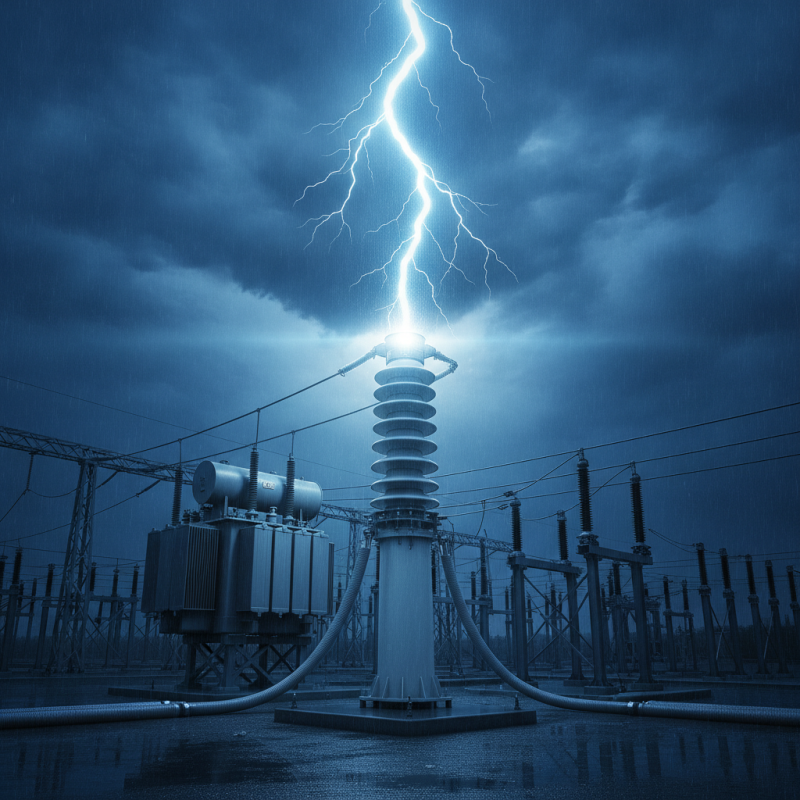
High voltage lightning arresters are essential devices for protecting electrical systems. They divert lightning strikes and prevent equipment damage. Understanding their function helps in making informed purchasing decisions.
These arresters work by providing a low-resistance path for lightning currents. They are installed in various settings, including power plants and substations. Factors to consider include voltage rating, energy absorption capacity, and environmental conditions. Ensuring the arrester matches your system’s specifications is crucial for optimal protection.
Selecting the wrong arrester can lead to costly failures. It is not just about the price but the overall reliability. Regular maintenance and inspection of arresters are necessary for long-term performance. Knowing when to upgrade or replace them is vital for safety. The world of high voltage arresters is complex, but informed choices can enhance system resilience.

When considering high voltage lightning arresters, key features play a critical role in ensuring safety and effectiveness. First, voltage rating is crucial. It must match or exceed the system voltage. This ensures optimal protection against surge events. Materials used in construction also matter. High-quality insulators can enhance durability and lifespan.
Tips: Always check for certifications. Compliance with industry standards can indicate reliability.
Next, consider the arrester's energy absorption capability. The higher the rating, the better it can withstand energy surges. Look for features like spark gap and backup fuses. They can provide additional layers of protection.
Tips: Conduct regular inspections. Wear and tear can significantly reduce performance.
Finally, pay attention to the installation process. Proper grounding is essential for effective operation. A poorly installed arrester can lead to catastrophic failures. It's advisable to consult with a professional for installation.
Remember, investing time in research can save money in the long run.
High voltage lightning arresters are essential for protecting electrical systems from surges. They come in various types, each suited for specific applications. The three main types include metal oxide varistors (MOVs), silicon carbide (SiC) arresters, and gaseous arresters.
Metal oxide varistors are widely used due to their reliability. According to a 2022 industry report, these devices account for approximately 70% of the market. They effectively clamp high voltage spikes and are favored for their low energy loss. Silicon carbide arresters, on the other hand, offer higher thermal stability. They are ideal for applications in harsh environments, such as renewable energy systems. A study highlighted that SiC devices can withstand extreme temperature fluctuations, making them resilient.
Gaseous arresters are often used for substations and industrial facilities. Though they are less common, they provide unique benefits. Their ability to operate at high voltages makes them suitable for various configurations. However, their performance can be inconsistent, particularly under low humidity conditions. Understanding these nuances is critical when selecting the right suppressor for specific needs.
When considering high voltage lightning arresters, understanding the brands and manufacturers is crucial. Reports from the Electrical Apparatus Service Association indicate that the market is projected to grow at a rate of 7% annually, driven by rising demands in renewable energy infrastructure. This growth underscores the importance of reliability in products used for surge protection.
Leading manufacturers focus on innovative designs and materials. These advancements improve performance during high-stress conditions. Research reveals that materials such as silicon carbide are becoming standard in new products. This shift highlights a trend towards enhancing durability and resistance to environmental factors. Yet, not all brands offer equal performance; some still struggle with long-term reliability.
The market remains fragmented, with many players vying for dominance. While a few companies lead in market share, many smaller manufacturers bring innovation. However, not all meet industry standards consistently. Potential buyers must evaluate each option carefully. Balancing brand reputation with technical capability is essential for making informed decisions. Always consider the long-term impacts of your choice on overall system reliability.
To ensure the longevity of lightning arresters, regular maintenance is crucial. Inspect the arrester for any visible damage, such as cracks or rust. Check the mounting hardware as well. Loose bolts can compromise its effectiveness. Even small signs of wear can lead to bigger issues down the line. Don't overlook the power connections—they must be secure and tight.
Routine testing is also essential. Use appropriate testing equipment to measure the effectiveness of the lightning arrester. If you're unsure, consult with an expert. Keeping a maintenance log is a good practice. It helps track performance over time. If a sudden failure occurs, you'll want to understand what went wrong. Learn from those experiences to improve future maintenance efforts.
Remember, lightning arresters are not invincible. They require care and attention. Failing to maintain them might result in equipment damage or personal safety risks. It's all about being proactive rather than reactive. Regular checks and preventive measures can extend the life of your lightning arresters significantly.
| Feature | Importance | Maintenance Tip |
|---|---|---|
| Voltage Rating | Critical for selecting the right arrester for system load. | Regularly check voltage ratings to ensure compatibility. |
| Energy Absorption Capacity | Determines the effectiveness during lightning strikes. | Inspect energy absorption ratings post-installation. |
| Response Time | Affects the protection level against transient surges. | Ensure to monitor response times to maintain efficiency. |
| Temperature Rating | Important for performance under harsh conditions. | Conduct regular thermal checks to avoid overheating. |
| Installation Position | Impacts its effectiveness in surge protection. | Review installation points periodically for optimal placement. |
| Maintenance Frequency | Ensures durability and prolonged service life. | Schedule regular maintenance checks every 6-12 months. |
Logel’s Auto Parts
116 Bridge St East
Kitchener, Ontario
N2K 1J6
Phone: 519-745-4751
Toll Free: 1-800-818-9118
Hours 8:00-5:00 Monday to Friday
At Logel’s Auto Parts, we serve a range of communities in Southern Ontario, including:
Sign up today for the latest updates from the Logel’s Auto Parts team, including pricing for scrap vehicles, our newest product lines, current operating hours, and much more.