
2026 Best Inflatable Raft Boat Types for Global Buyers

The 2026 inflatable boating market is becoming more specialized, practical, and globally competitive. Buyers now compare tender boats, whitewater rafts, fishing platforms, and rigid inflatable boats differently. Each design serves a distinct water environment. A compact PVC boat may suit calm lakes, while a Hypalon raft handles stronger sunlight and frequent transport better.

Industry forecasts support this expanding demand. Grand View Research estimates steady growth in the global inflatable boats market through 2030. Fortune Business Insights also identifies durability, portability, and recreational tourism as major growth factors. Meanwhile, the National Marine Manufacturers Association reported 11.6 million registered recreational boats in the United States in 2023. That figure shows a large boating ecosystem, although it does not measure Inflatable Raft Boat sales directly.

The details matter.

“Safety should never be compromised,” says Frank Hugelmeyer, president of the National Marine Manufacturers Association. His warning applies strongly to inflatable craft, where air chambers, valves, seams, and floor systems affect real-world reliability. Buyers should inspect fabric thickness, pressure retention, repair support, load ratings, and available replacement parts. A boat that looks impressive beside a warehouse may behave differently against sharp rocks, cold water, or heavy wind.

No single hull wins every shoreline. Some buyers still focus too much on price. That is a mistake. A lighter boat can simplify transport, yet it may sacrifice stability under load. This guide compares the best 2026 Inflatable Raft Boat types for global buyers, while recognizing regional climate, service access, user experience, and honest product limitations.
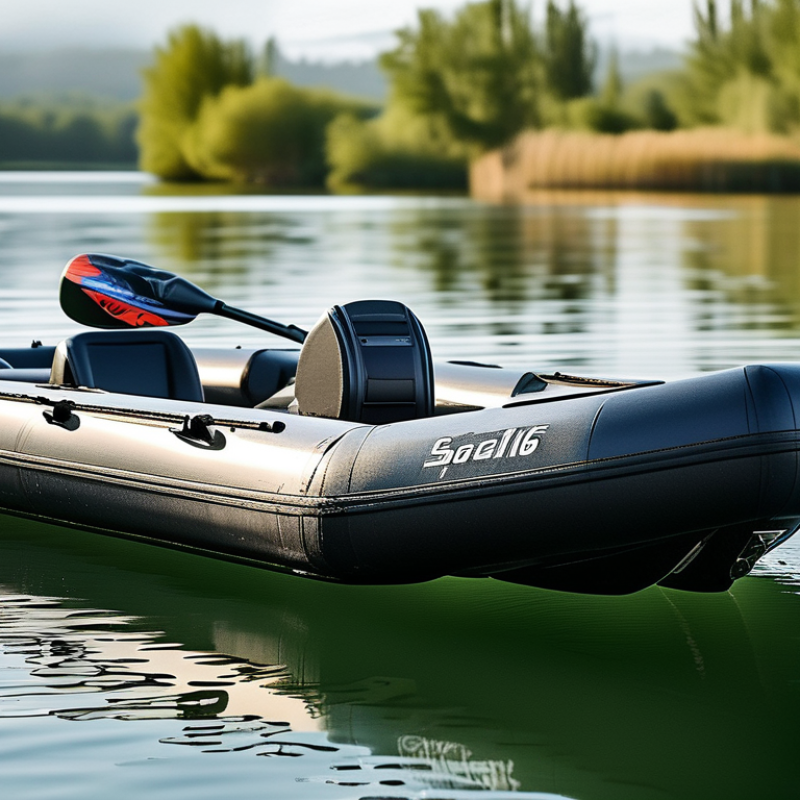
2026 Best Inflatable Raft Boat Types for Global Buyers

Inflatable Raft Boat Basics and Key Construction Features

2026 Best Inflatable Raft Boat Types for Global Buyers

Inflatable Raft Boat Basics and Key Construction Features

An inflatable raft boat uses air chambers for buoyancy, stability, and easier transport. Most models combine reinforced fabric with welded or bonded seams. PVC is common because it is affordable and easy to repair. CSM-coated fabric usually offers better resistance to sunlight, chemicals, and temperature changes. No material is maintenance-free.

Look closely at the chamber layout. Separate air compartments can keep the boat afloat after one chamber loses pressure. A rigid or drop-stitch floor improves footing and reduces bending under load. Raised tubes, a protected keel, and strong grab lines add control during boarding and shallow-water travel. Check valve quality too. A slow leak can be difficult to notice at first.

Tips: Press each chamber firmly before use. Soft tubes can reduce handling and stability. Inspect seams, valves, floor joints, and lifting points after every trip. Keep the boat shaded when possible, because intense heat increases internal pressure. Dry it fully before storage. Measure twice.

Buyers should match construction with local water, climate, passenger weight, and transport needs. A compact tender may suit calm lakes, while a deeper self-bailing floor can help in rougher conditions. Specifications can look impressive, but real comfort depends on load distribution. Do not ignore small defects. They often become expensive problems.


Main Inflatable Raft Boat Types for Different Water Activities

2026 Best Inflatable Raft Boat Types for Global Buyers

Main Inflatable Raft Boat Types for Different Water Activities

Inflatable raft boats vary by water conditions, passenger needs, and activity. Self-bailing rafts suit whitewater trips because drainage holes remove splashed water quickly. Their reinforced floors improve grip, but they may feel heavier during transport. Flat-bottom recreational rafts work well on calm lakes, slow rivers, and short family outings. They offer steady seating and simple inflation. Fishing rafts often include raised seats, gear fittings, and wider side tubes. These details help anglers stay balanced while casting.

Tips: Check the load rating, tube material, valve quality, and repair kit before buying. Leave safety space for people and equipment. A raft should never feel crowded. For touring, choose adjustable seats and several air chambers. Separate chambers can provide extra stability if one chamber loses pressure. Inspect seams before every launch. Small damage grows quickly under pressure.

Buyers should match the raft with local water, storage space, and transport conditions. Cold mountain water may require thicker materials and careful inflation checks. Hot climates can increase air pressure inside sealed chambers. Follow the manual and avoid overinflation. Some designs look impressive online but feel unstable when fully loaded. This is where honest evaluation matters. Test handling in shallow, calm water before longer trips. No single raft fits every activity, and choosing a larger model is not always wiser.

2026 Best Inflatable Raft Boat Types for Global Buyers - Main Inflatable Raft Boat Types for Different Water Activities

Inflatable Raft Boat Type Best Water Activity Typical Length Typical Capacity Common Construction Typical Propulsion Recommended Water Conditions Main Advantages Important Limitations
Recreational Inflatable Raft Lakes, calm rivers, swimming and relaxed touring 2.4–3.6 m 2–4 people PVC or laminated synthetic fabric with multiple air chambers Paddles or small electric/outboard motor where permitted Sheltered inland water with limited wind and current Portable, easy to inflate, relatively affordable and simple to store Not intended for strong currents, offshore use or heavy loads
Inflatable Dinghy Tender service, fishing, short coastal trips and boat transfer 2.3–4.3 m 2–6 people Reinforced PVC or hypalon-type fabric, inflatable or rigid floor options Oars, rowing, electric motor or small outboard Harbors, bays, lakes and moderate coastal conditions Versatile layout, good load-carrying ability and easy launching Requires proper transom, drain system and load planning for motor use
Inflatable Fishing Raft Freshwater fishing and slow-moving river angling 2.7–4.0 m 1–4 people Abrasion-resistant fabric, reinforced floor and rod-holder attachment points Oars, fins, trolling motor or small outboard Calm lakes, ponds and slow rivers away from sharp obstacles Stable seating area, useful storage and quiet operation Fishing gear can increase weight; hooks and sharp equipment may damage fabric
Whitewater Raft River rafting, guided expeditions and recreational whitewater use 3.0–5.5 m 4–10 people Heavy-duty reinforced fabric with self-bailing floor and multiple chambers Paddles, oars or guide-operated rowing frame Rapids only within the craft's certified river difficulty rating High buoyancy, strong perimeter tubes and good group stability Needs trained users, personal flotation devices and professional inspection
Inflatable Kayak Solo touring, recreational paddling and light river travel 2.7–4.5 m 1–2 people PVC-coated fabric or drop-stitch floor with adjustable seats Double-bladed paddle Calm lakes, sheltered bays and gentle rivers Lightweight, compact when packed and efficient for paddling Less cargo space and generally slower than a rigid touring kayak
Inflatable Canoe Family touring, camping trips and recreational paddling 3.2–5.0 m 2–3 people Wide inflatable side tubes with drop-stitch or structured floor Single-bladed paddles Sheltered lakes and slow-moving rivers Open seating, useful cargo capacity and comfortable family layout More wind-sensitive than narrow touring craft and less suitable for rough water
Inflatable SUP-Raft Hybrid Stand-up paddling, fitness, fishing and short-distance touring 3.0–4.3 m 1–2 people High-pressure drop-stitch deck with inflatable side chambers Single-bladed paddle or double-bladed paddle Calm water and light wind conditions Stable platform, compact storage and multi-activity functionality Standing position increases wind exposure; not designed for severe waves
Inflatable Catamaran Raft Fishing, river exploration, rowing and stable platform activities 2.7–4.6 m 1–4 people Two air tubes connected by a framed or drop-stitch platform Oars, paddles or electric trolling motor Calm to moderately moving inland water Excellent stability, good sitting space and efficient tracking in selected designs Wider packed size and more assembly time than a basic raft
Inflatable Rescue Raft Emergency response, flood rescue and professional water operations 3.0–5.5 m 4–12 people, depending on design Heavy-duty coated fabric, reinforced seams, grab lines and multiple chambers Paddles, oars or approved motor system Floodwater and challenging conditions only with trained operators High buoyancy, durable fittings and rapid deployment options Requires formal training, scheduled inspection and compliance with local safety rules
Inflatable Raft for Coastal Touring Sheltered coastal cruising, beach access and island exploration 3.2–5.0 m 3–8 people UV-resistant PVC or synthetic rubber fabric with reinforced keel and floor Paddles, oars or small outboard motor Protected coastal waters; weather and local regulations must be checked Good portability, flexible passenger capacity and easy beach landing Exposure to waves, tides, wind and saltwater demands careful planning and maintenance
Buyer Note: Actual capacity, load limits, operating conditions and motor compatibility vary by model. Buyers should always follow the manufacturer’s rating plate, user manual, local navigation rules and applicable safety requirements.

How to Match Raft Boat Designs with Global Buyer Needs

Matching inflatable raft boat designs to global buyer needs requires more than choosing the largest model.

Experienced buyers compare water conditions, passenger load, storage space, and repair access.

A compact tender works well for yacht owners and calm lakes. A wider raft offers better stability for fishing groups and family trips. It also needs stronger lifting points.

Details matter in different markets.

Warm coastal buyers may prioritize UV-resistant fabric and easy drainage. Users in colder regions may need thicker material and secure air valves. River operators often prefer a shallow draft, protected underside, and responsive handling. For remote destinations, repair patches, spare valves, and clear maintenance instructions can be more valuable than extra accessories.

Keep it practical.

During field evaluations, a larger floor did not always improve comfort; it sometimes made launching difficult for two people. That assumption needed review.

Buyers should check packed dimensions, inflation time, tube pressure, and actual load capacity before ordering.

They should also confirm local safety, labeling, and transport requirements.

Product specifications must be tested under realistic conditions, not copied from a sales sheet. A reliable supplier can provide material data, inspection records, and consistent after-sales support.

Small details build trust.

Material, Safety, Capacity, and Performance Considerations

For global buyers in 2026, inflatable raft selection should begin with material, not color or marketing claims. PVC offers affordable weight and easy cleaning, while reinforced polyester or similar layered fabrics can improve abrasion resistance. However, thicker material is not automatically better; it may add bulk and become awkward during transport. Check welded seams, valve quality, floor stiffness, and repair access. A raft that feels solid on a garage floor may flex heavily on cold, choppy water. I have seen buyers overlook this detail. That mistake is expensive.

Safety depends on more than a stated passenger number. Leave practical space for clothing, water, and emergency equipment. Calculate load using people plus gear, then keep a conservative margin. Multiple air chambers can help maintain flotation after limited damage, but only when valves are protected and regularly inspected. Choose grab lines, secure handles, non-slip flooring, and visible inflation indicators. Performance also changes with hull shape, floor design, and oar placement. A wide raft feels stable. A narrow hull may track better. Neither suits every river or coastline. Test assumptions against local wind, temperature, launch points, and storage conditions. Ratings are not promises.

Tips: Inflate and inspect the raft before every outing. Press each chamber and listen for slow leaks. Practice re-entry in shallow, supervised water. Store it dry and loosely rolled, not tightly folded. Keep a repair kit, pump, and spare valve parts together. One overlooked item can end the trip. Ask sellers for material thickness, seam method, tested load, and warranty terms. Those details reveal more than polished photos. I would also request independent test evidence when available; manufacturer data can be useful, but it is not the whole story.

Buying, Transporting, Maintaining, and Storing an Inflatable Raft Boat

2026 Best Inflatable Raft Boat Types for Global Buyers

Choosing an inflatable raft boat starts with the water, load, and travel distance. A drop-stitch floor feels firm for fishing and longer trips. A slatted floor folds faster and suits buyers with limited storage. Check the stated capacity, tube diameter, valve quality, and repair-kit contents before paying. I have found that a slightly larger boat is not always better. It can become awkward in narrow vehicles and crowded launch areas. Ask for packed dimensions, material thickness, seam testing, and replacement-part availability. These details reveal more than attractive photographs.

Transport the boat completely dry and loosely rolled. Tight folding can create sharp creases, especially after cold-weather use. Use a ventilated bag, protect it from rough metal edges, and keep heavy equipment separate. Before each launch, inspect seams, valves, handles, and the floor. Inflate it on level ground, then check pressure according to the manual. Do not overinflate under strong sunlight. Heat changes internal pressure quickly. After saltwater use, rinse with fresh water and remove sand from valves. Let every section dry before storage. I sometimes rushed this step, and mildew appeared sooner than expected.

Tips: Photograph the boat before transport, record pressure readings, and label repair parts. Store it cool, shaded, and away from fuel, sharp tools, and damp concrete. A monthly inspection takes minutes. It may prevent an expensive failure. Recheck the load after adding coolers, anchors, or safety equipment.

Start typing and press Enter to search